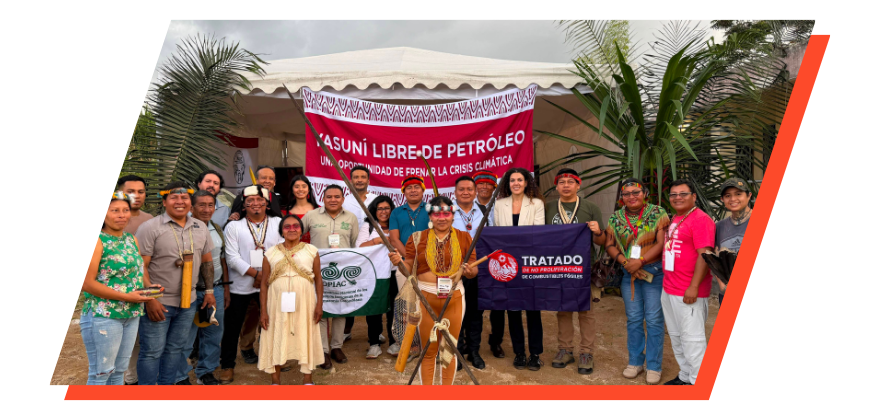
From Indigenous territories to the global process: participating, not just observing
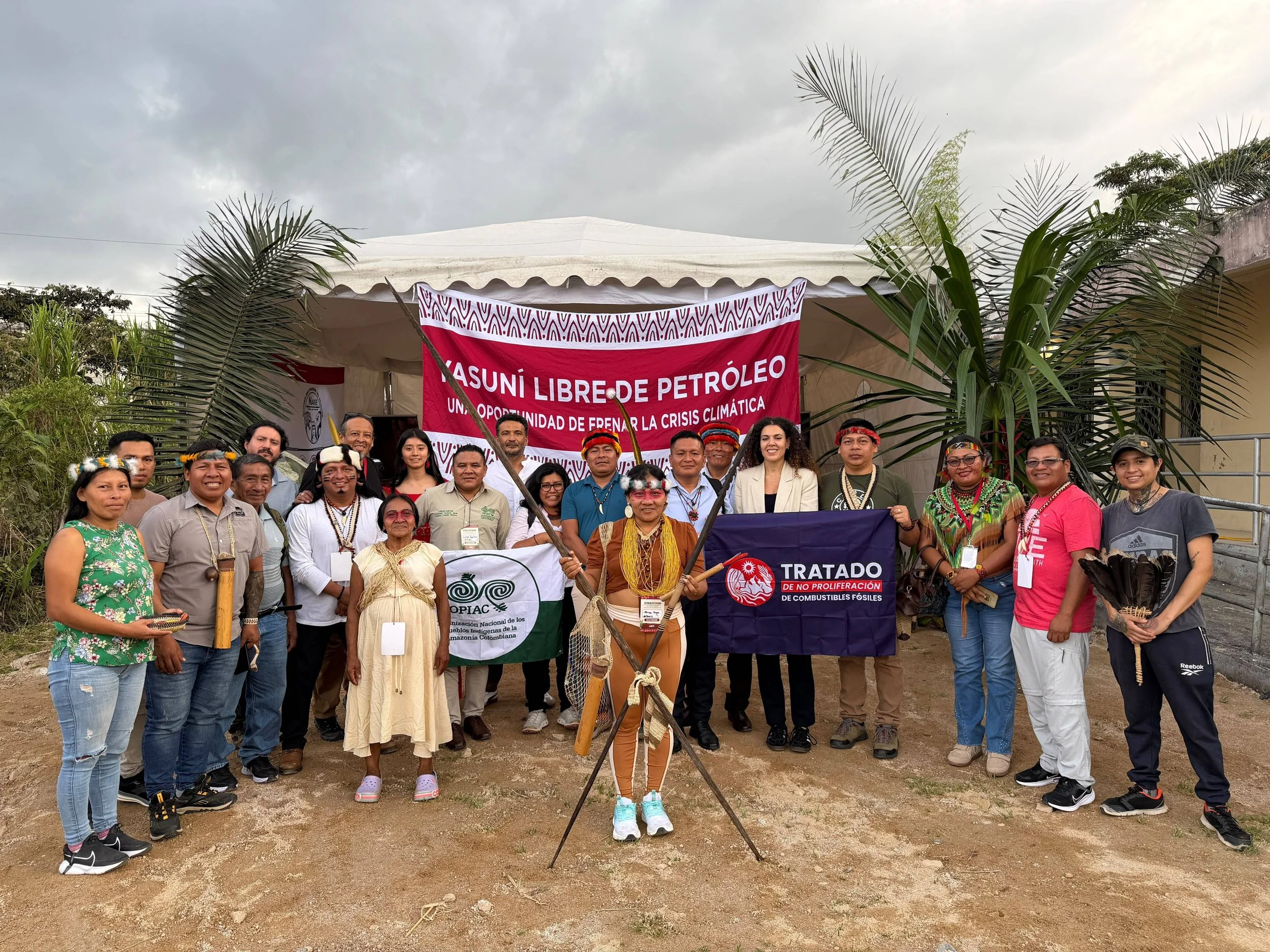
Puyo, Ecuadorian Amazon | August 2026
Joint political positioning of the Indigenous Peoples, Nations and Nationalities that support the Fossil Fuel Treaty Initiative

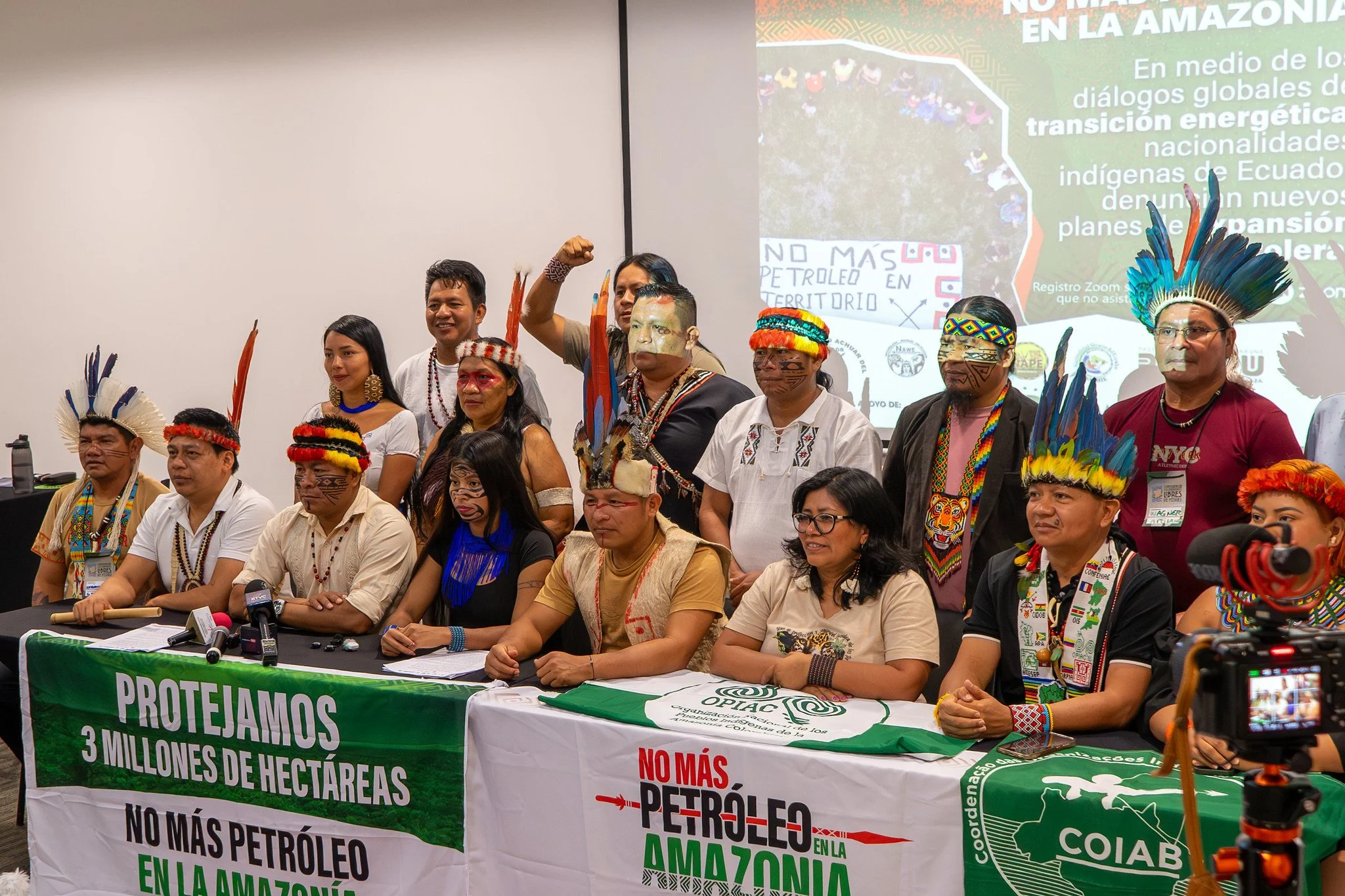
As Indigenous Peoples, Nations and Nationalities supporting the Fossil Fuel Treaty Initiative, we raise our voices united as rights holders and self-governed peoples, in a firm commitment to our territories, our cultures and life itself. We present this first joint position statement from Puyo, Ecuador, at the headquarters of the Waorani Nationality, as an expression of our resolve to strengthen our political coordination and our participation in the process leading toward a future Fossil Fuel Treaty.
The discussion about fossil fuels and the energy transition is not only an international discussion about climate and energy. It is a discussion about the impacts and consequences unfolding within our territories.
The expansion of the fossil fuel industry and an energy transition rooted in colonial and extractivist systems destroys our knowledge systems, displaces our peoples, pollutes our water, air, and soil, and deepens the climate crisis. Therefore, our participation in the future treaty cannot be reduced to symbolic representation; it must be a structured political process driven by collective priorities, territorial rootedness, and supported by technical, legal, and political preparedness.
Under this premise, we build on the individual support to consolidate a collective, coordinated and self-determined political participation of the Indigenous Peoples, Nations and Nationalities that publicly support the Fossil Fuel Treaty Initiative.
This position is based in part on the political work built in the autonomous space of Indigenous Peoples at the First on Transitioning Away From Fossil Fuels, which took place in Santa Marta, Colombia in April 2026, where we stated that: "We, the Indigenous Peoples, are rights holders, self-governed peoples and guardians of the territories and Mother Earth. Without self-determination, free, prior and informed consent, and legal protection and security of our territories, lands and waters, there is no climate, environmental or economic justice." That positioning established that "the Just Transition and the progressive phase-out of fossil fuels must be built with us or it will not be just."
Today we take these agreements into the Fossil Fuel Treaty Initiative and connect them to the political path leading to the second Transition Beyond Fossils Conference, hosted by the governments of Tuvalu and Ireland in 2027.
We reaffirm as a political foundation the 13 principles for a Just Transition agreed upon in Santa Marta, including the self-determination and self-governance of Indigenous Peoples; free, prior, and informed consent; governance and full, effective participation; the protection of our territories, lands, and waters; the protection of Peoples in Isolation and Initial Contact (PIACI) and human rights defenders; the elimination and non-recurrence of extractivism; reparation and restoration; the recognition of Indigenous knowledge systems; direct climate finance; and the rejection of false solutions, market mechanisms, and the financialization of Nature.
These principles established in Santa Marta are not isolated concessions. They are the base upon which we will be able to participate, as a coordinated political group, at every moment of advocacy planned before and during the Tuvalu Conference.
We acknowledge that the Treaty Initiative recognizes us as rights holders in light of international law, including self-determination and free, prior and informed consent over our lands and territories, and recognizes the imperative of our participation in shaping the future Treaty.
We also welcome the affirmation—made during the ministerial meeting held prior to the high-level session of the Santa Marta Conference, which was attended by ministers and heads of delegation from Africa, Asia, the Caribbean, Latin America, and the Pacific, including representatives from countries participating in the Fossil Fuel Treaty Initiative—that any negotiated instrument must be grounded in equity, historical responsibility, human rights, and the full and autonomous participation of Indigenous Peoples, in accordance with the United Nations Declaration on the Rights of Indigenous Peoples. We call for this commitment to be translated into effective participation from the earliest stages of the process, including the Conference organized by Tuvalu and Ireland.
We will work so that any future international instrument on fossil fuels incorporates from its early stages the full, effective and self-determined participation of Indigenous Peoples, respecting our rights, territories, cultures, knowledge, governance systems and own decision-making processes.
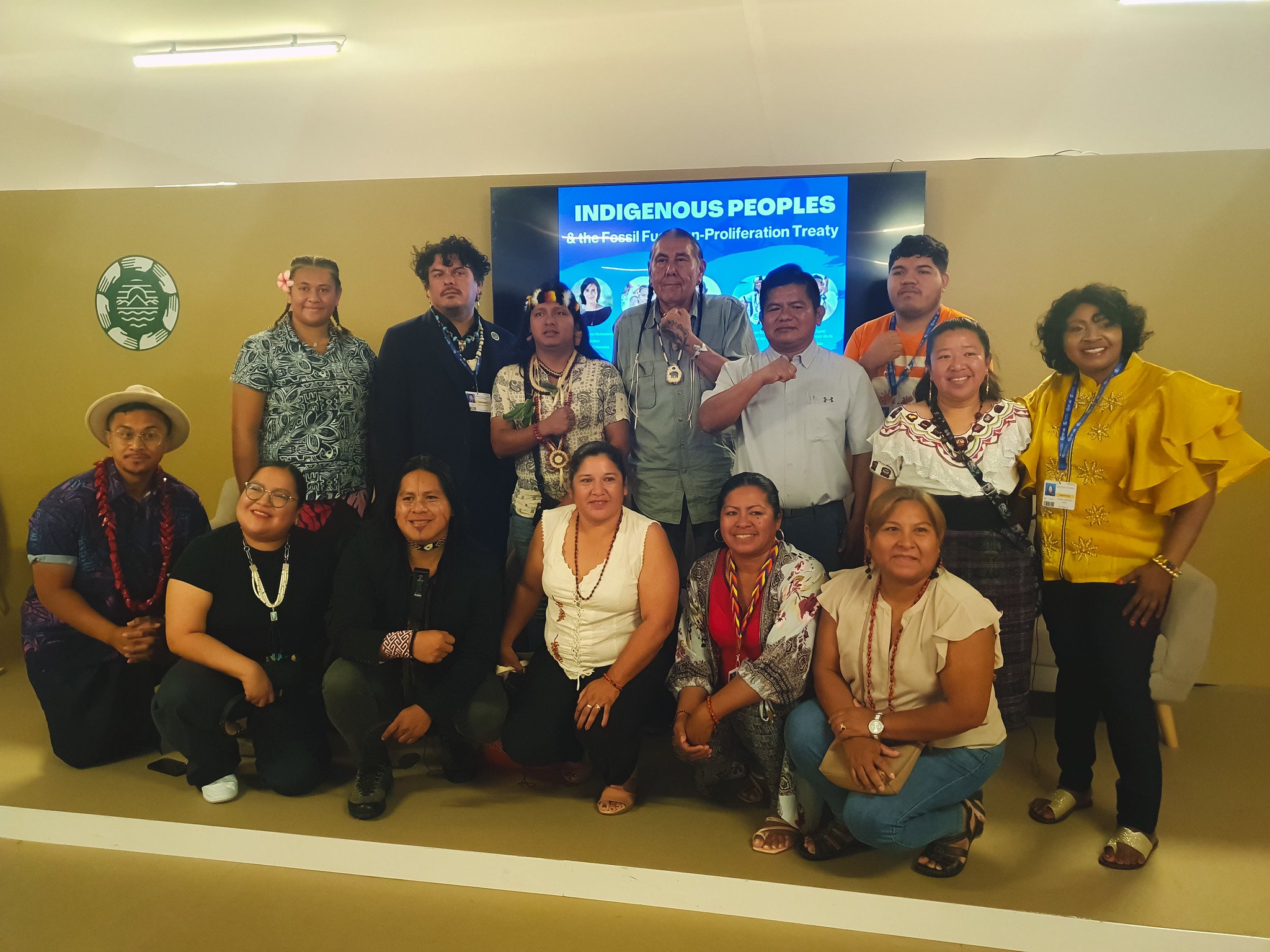
Indigenous Peoples, Nations, Nationalities and organizations from multiple regions of the world support the Treaty Initiative as a shared call to protect territories, biodiversity, cultures, present and future generations against fossil fuel extraction, and therefore we demand a global Fossil Fuel Treaty. From our territories, we will continue to build a collective vision on a just transition and a future beyond fossil fuels.
We do not want to participate merely as observers in the Treaty process. We want to contribute to actively shaping it at every stage of the process.
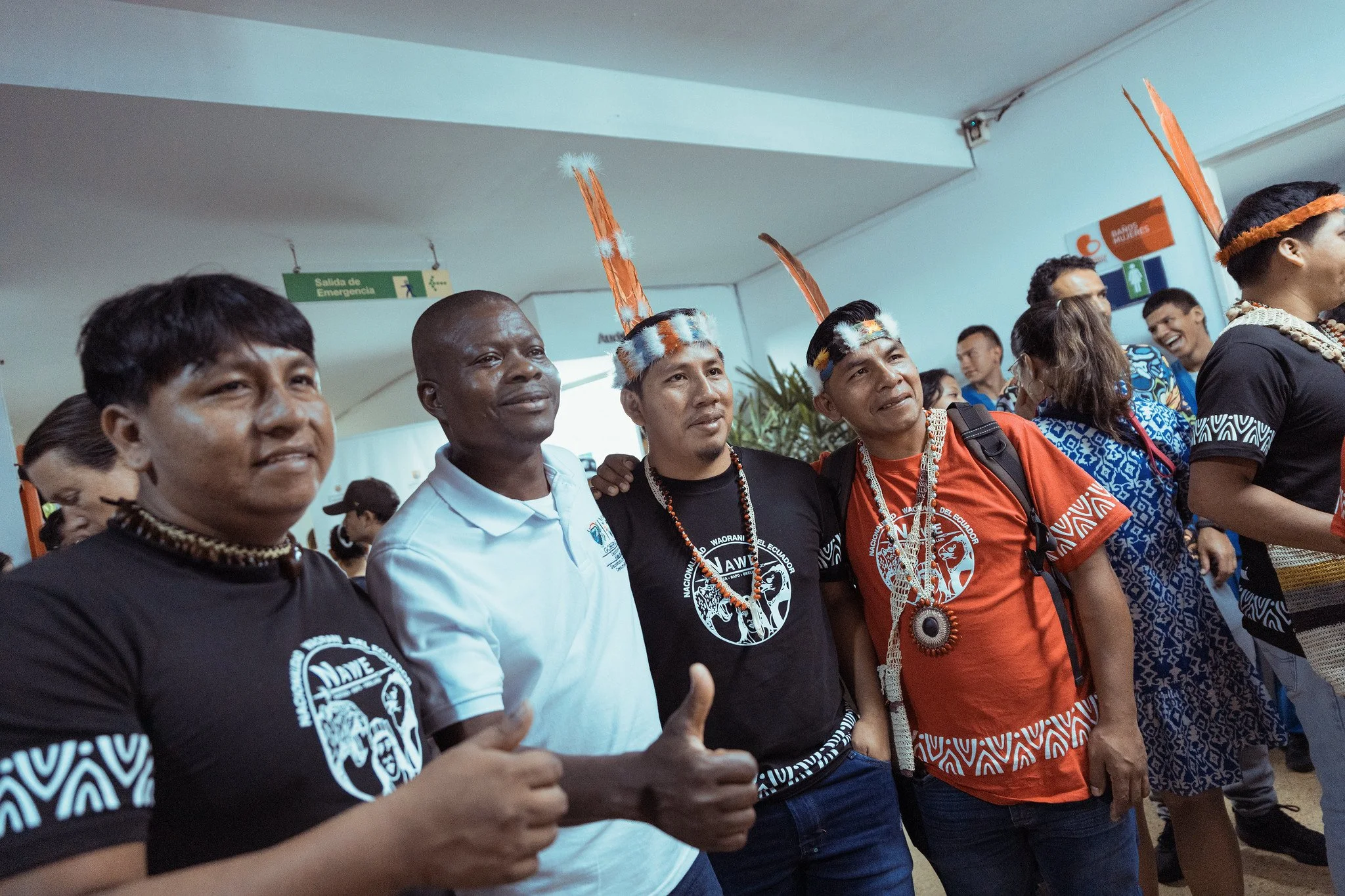
SIGNATORIES: Waorani Nationality of Ecuador (NAWE)
Autonomous Territorial Government of the Wampis Nation, Peru
Peru Federation of the Achuar Nationality of Peru (FENAP)
Shiwiar Nationality of Ecuador (NASHIE)
Ponca Nation, United States
Regional Coordinator of Indigenous Peoples (CORPI-SL), Peru
Autonomous Territorial Government of the Chapra Nation, Peru
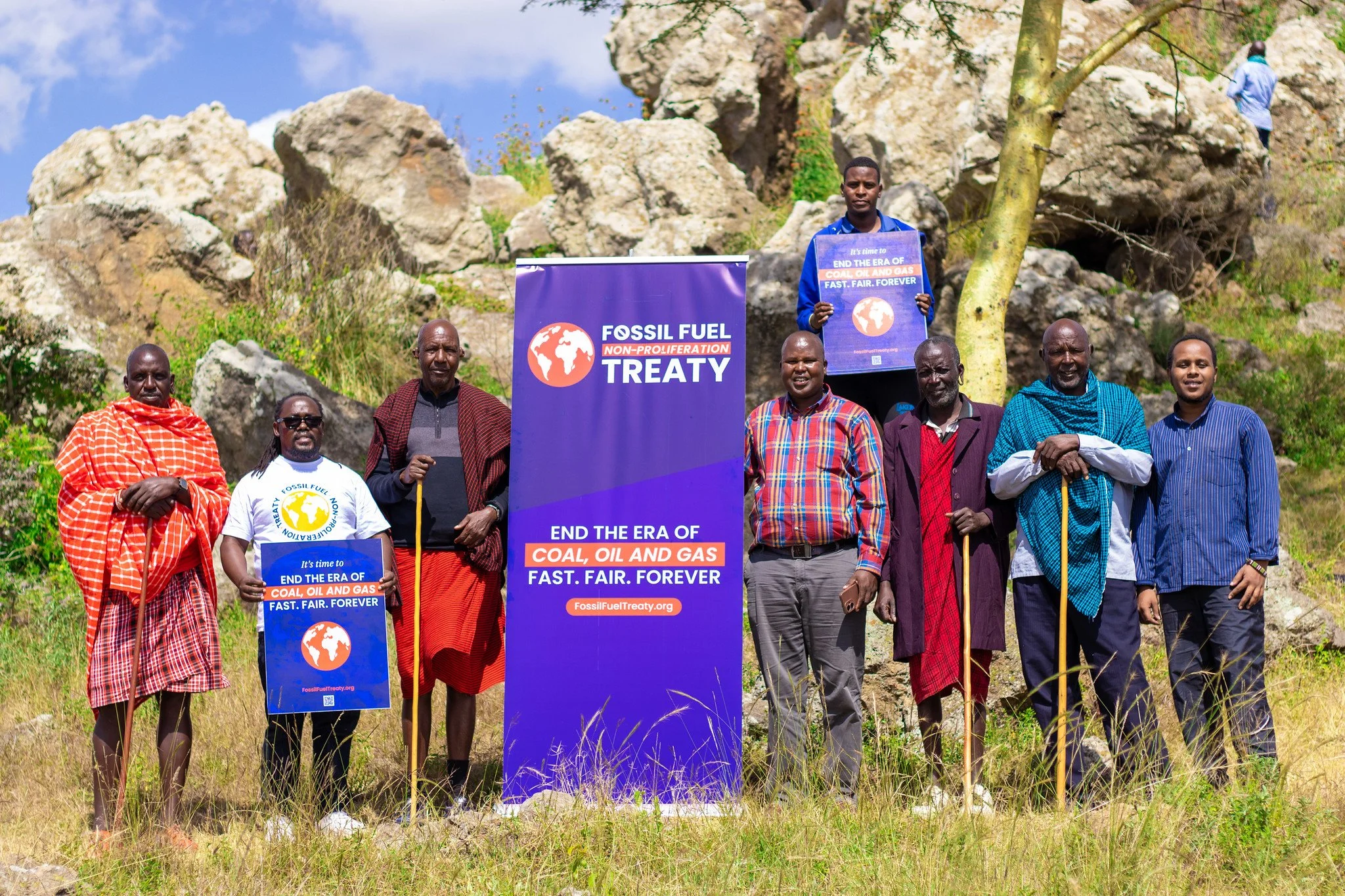
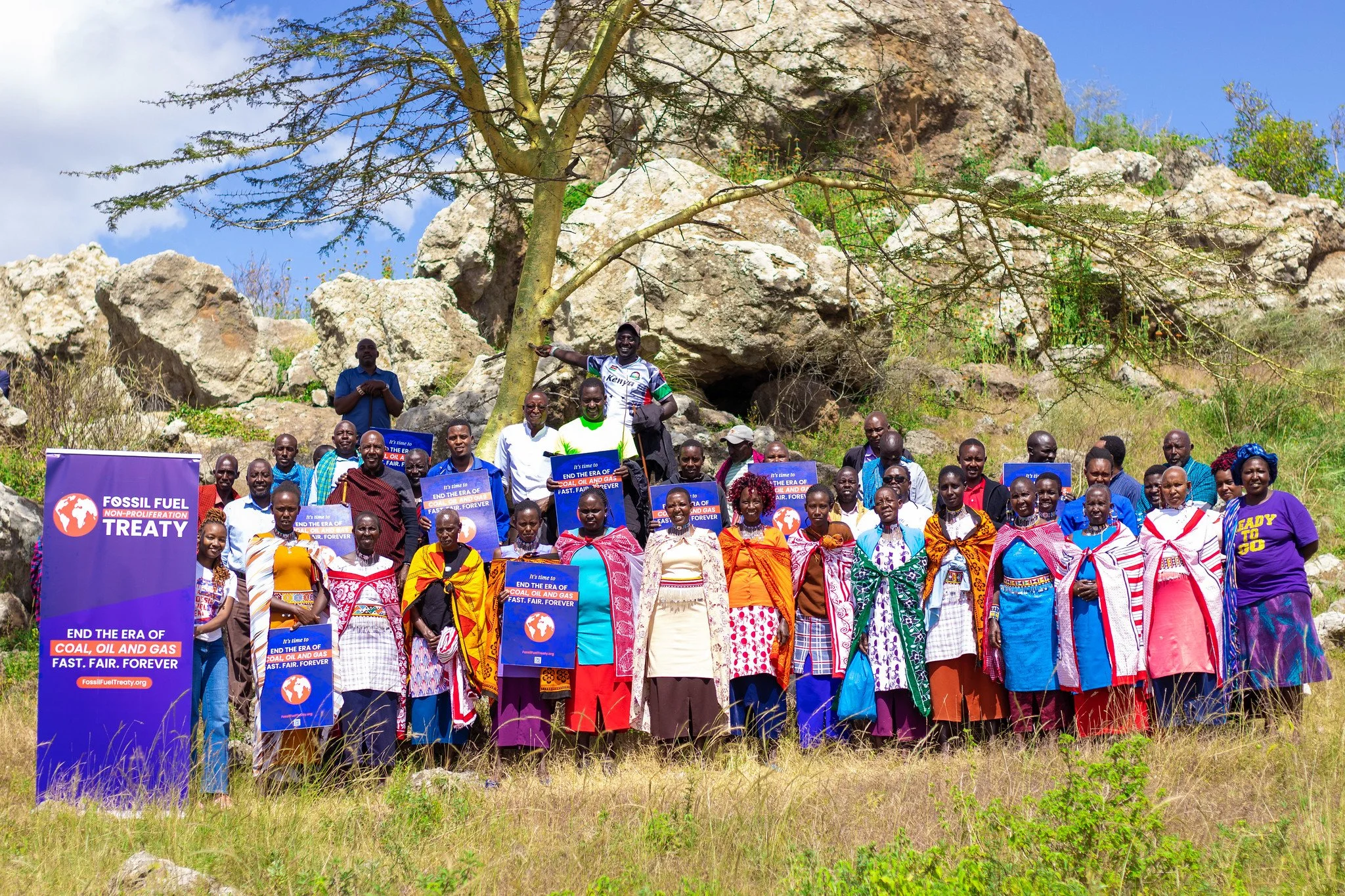
Maasai indigenous community from Kajiado county, Kenya
National Organization of the Indigenous Peoples of the Colombian Amazon (OPIAC)