
COP31
Join us in advocating for a Fossil Fuel Treaty Initiative to ensure that COP31 becomes a turning point to protect what we love by accelerating the end of the fossil fuel era and catalyzing a sustainable future for all.
COP31 in Antalya, TürkiyeWe gather in Antalya knowing and feeling the harm of fossil fuels more than ever. The world is already pushing past 1.5°C, the International Court of Justice has made clear that nation-states have a legal duty to limit fossil fuel production, and across the world, people are paying for the delay with their lives, while oil and gas money funds wars and every price shock hits the poorest first. Yet fossil fuel production keeps expanding because no binding international instrument governs it. Closing that gap means strengthening existing governance tools and supporting new instruments capable of delivering a global just transition.
This is why more governments must join the growing bloc of 25+ nations that has been developing a Fossil Fuel Treaty, the legally binding instrument that can advance international cooperation for a fair phase-out. In Antalya, they will build further momentum toward the Second Conference of the Santa Marta Process, co-chaired by Tuvalu and Ireland in July 2027. Santa Marta is the forum built for countries ready to move from dialogue to action together, and it is where this bloc can advance a formal negotiating mandate for a Treaty. COP31 is a key moment to show the breadth of support from governments and allies behind a Fossil Fuel Treaty mandate.
Join us in advocating for a Fossil Fuel Treaty to ensure that COP31 becomes a turning point to protect what we love by accelerating the end of the fossil fuel era and catalyzing a sustainable future for all.
Events at COP31View events hosted by or featuring the Fossil Fuel Initiative at COP31 in Antalya. View past event recordings. Contact media@fossilfueltreaty.org for speaker requests.
-
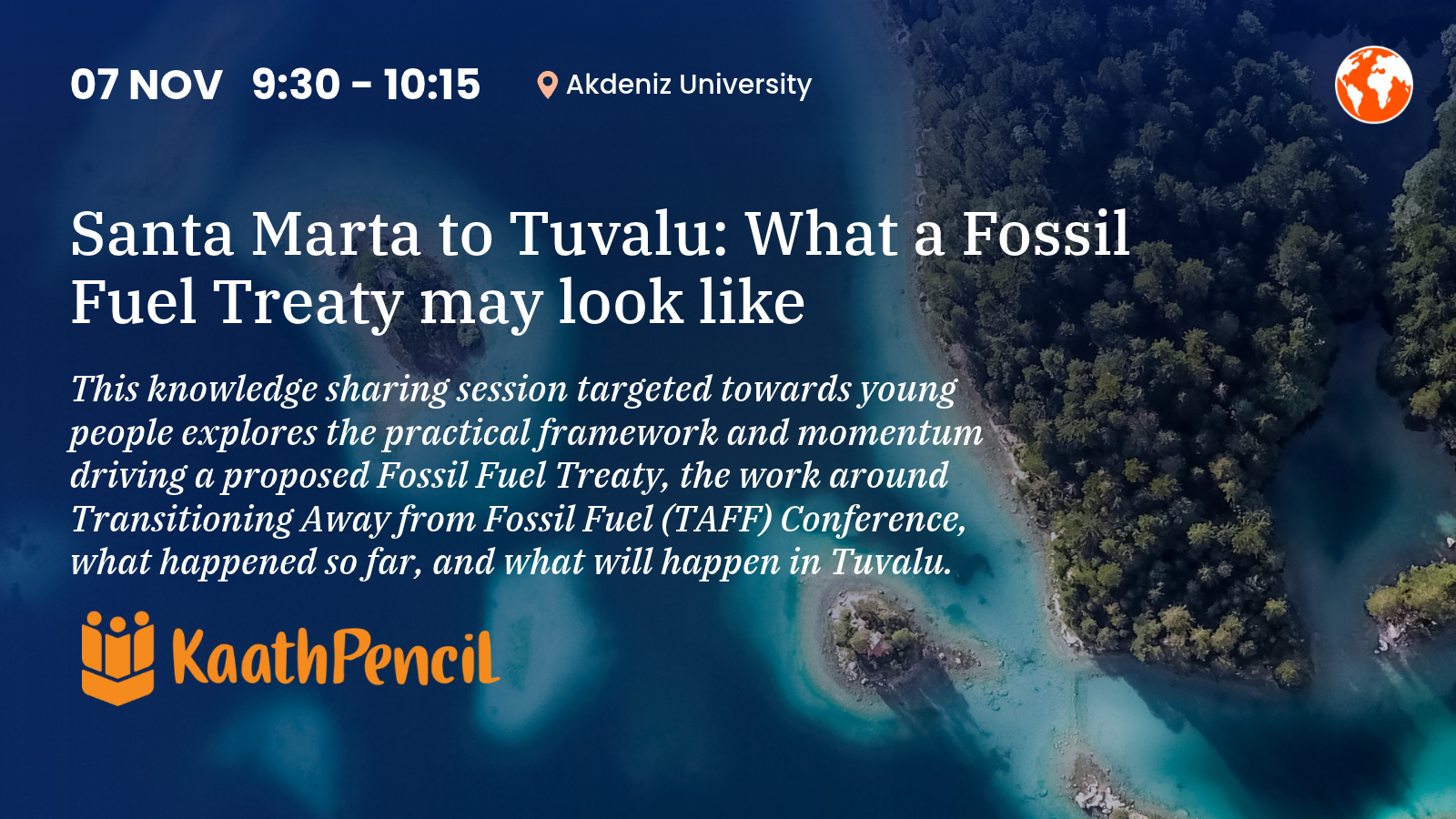
Santa Marta to Tuvalu: What a Fossil Fuel Treaty may look like
Date: Saturday, 7th November
Time: 09:30 - 10:15
Location: Akdeniz UniversityThis knowledge sharing session targeted towards young people explores the practical framework and momentum driving a proposed Fossil Fuel Treaty, the work around Transitioning Away from Fossil Fuel (TAFF) Conference, what happened so far, and what will happen in Tuvalu.
-
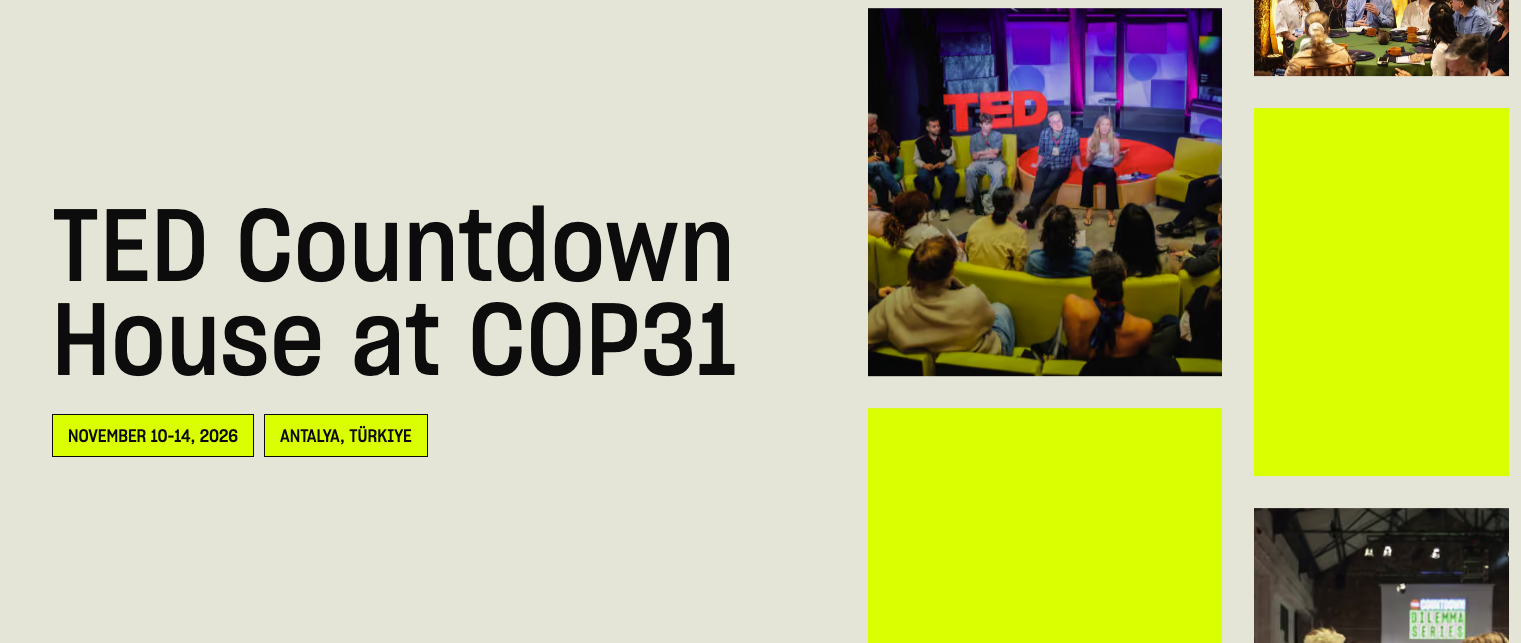
From judgment to justice: movement building for a fossil-free futureFrom judgment to justice: movement building for a fossil-free future
Date: Tuesday, 10 November
Time: 11:00 - 12:00
Location: TED Countdown House, Anadolu ParkJoin Tzeporah Berman (Founder and Chair, Fossil Fuel Treaty Initiative) and Vishal Prasad (Director, Pacific Islands Students Fighting Climate Change) for a fireside chat on how the 2025 ICJ advisory opinion, and other legal mobilizations, can strengthen the campaign for fossil fuel phaseout, and what the two movements can achieve together. Speakers will further explore how ethics, values and culture, including the knowledge and experience of frontline communities, can guide climate policy. Moderated by Samira Siddique, Director of Strategic Initiatives, Center for Earth Ethics.
-
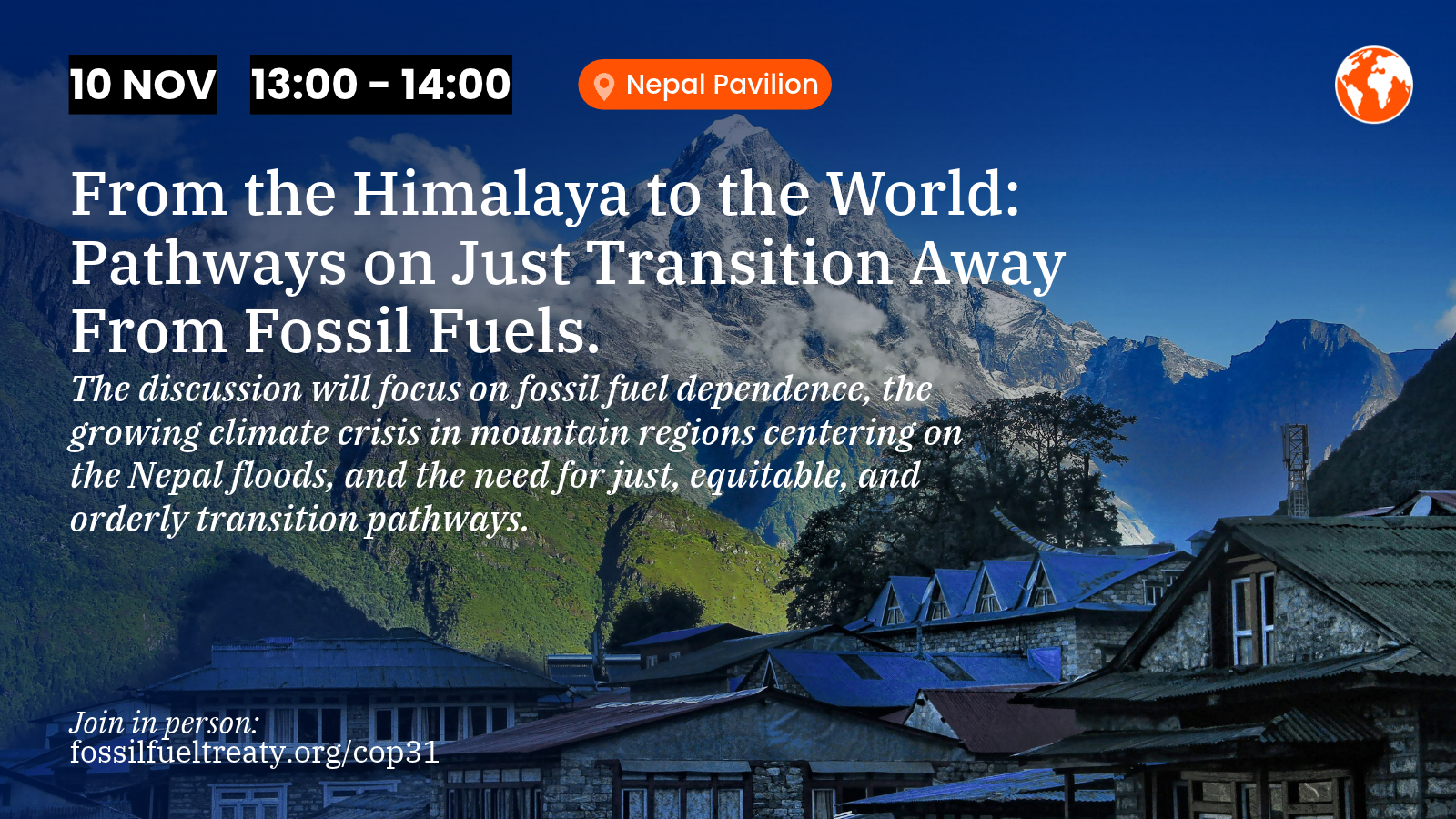
From the Himalaya to the World: Pathways on Just Transition Away From Fossil Fuels.
Date: Tuesday, 10 November
Time: 13:00 - 14:00
Location: Nepal PavillionThe discussion will focus on fossil fuel dependence, the growing climate crisis in mountain regions centering on the Nepal floods, and the need for just, equitable, and orderly transition pathways. The event will feature the findings of an ongoing study exploring what this transition pathway could look like for Nepal, while sharing experiences across countries to advance energy security, economic resilience, and social justice.
-
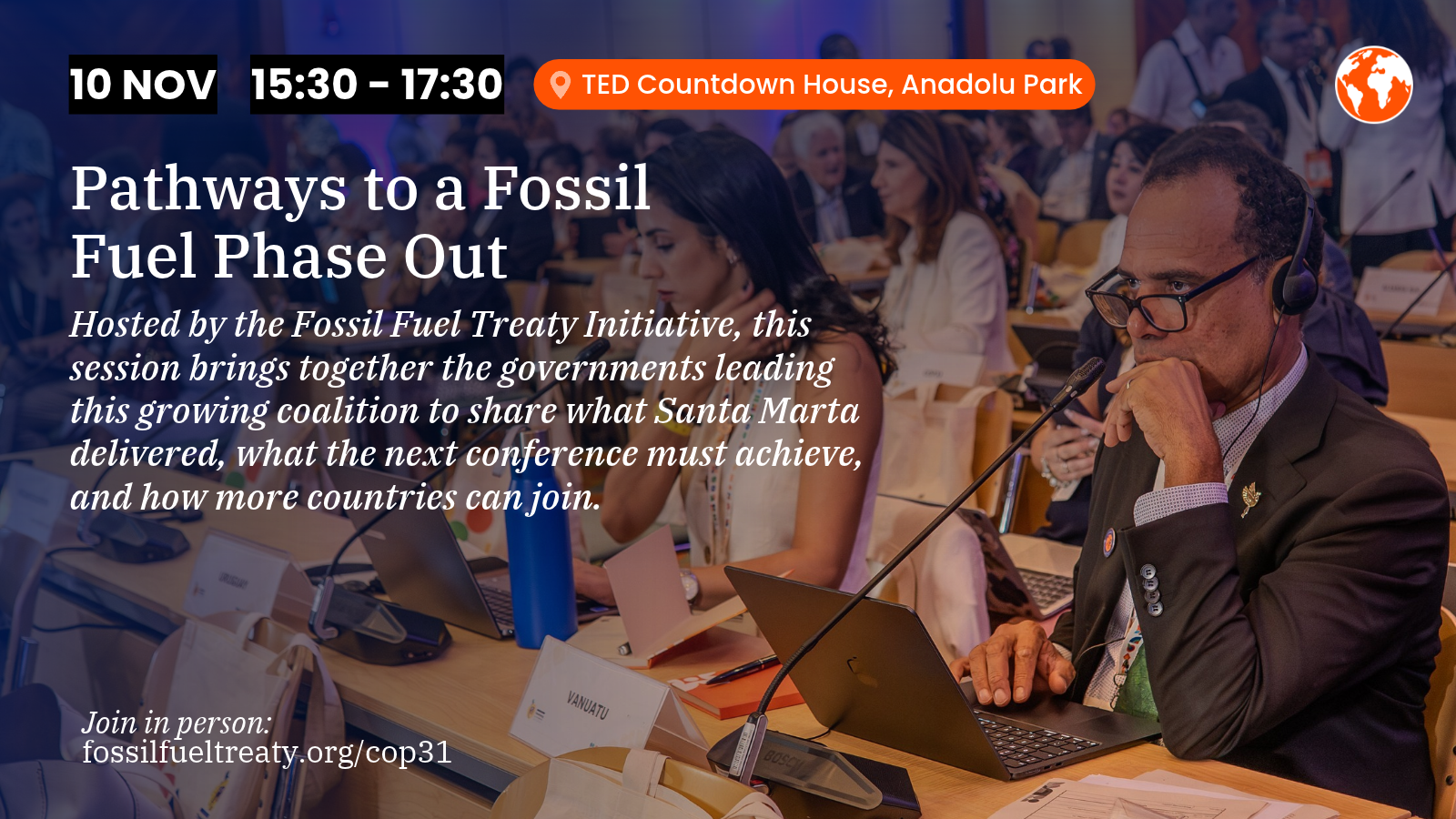
Pathways to a Fossil Fuel Phase Out
Date: Tuesday, 10 November
Time: 15:30 - 17:30
Location: TED Countdown House, Anadolu ParkIn April 2026, 57 countries met in Santa Marta, for the first-ever conference dedicated to transitioning away from fossil fuels. Tuvalu and Ireland will host the second. Hosted by the Fossil Fuel Treaty Initiative, this session brings together the governments leading this growing coalition to share what Santa Marta delivered, what the next conference must achieve, and how more countries can join.
Speakers:
Tzeporah Berman, Founder and Co-Chair, FFTI
Co-Chair of the First Conference on the Transition Away from Fossil Fuels Irene Velez-Torres, Colomba
Hon. Dr Maina Talia, Minister for Home Affairs, Climate Change and Environment, Tuvalu
Director General, Philip Nugent, Department of Climate, Energy and the Environment, Ireland
Former Vice President Al Gore
-
From Santa Marta to Tuvalu: Delivering the Transition Away from Fossil Fuels
Date: Wednesday, 11 November
Time: 13:00 - 14:00
Location: WWF PavilionAlex Rafalowicz, Executive Director of the Fossil Fuel Treaty Initiative, joins a panel bringing global perspectives on how to build on the momentum generated by the Santa Marta Conference and looking ahead to the Second International Conference on the Just Transition Away from Fossil Fuels.
-
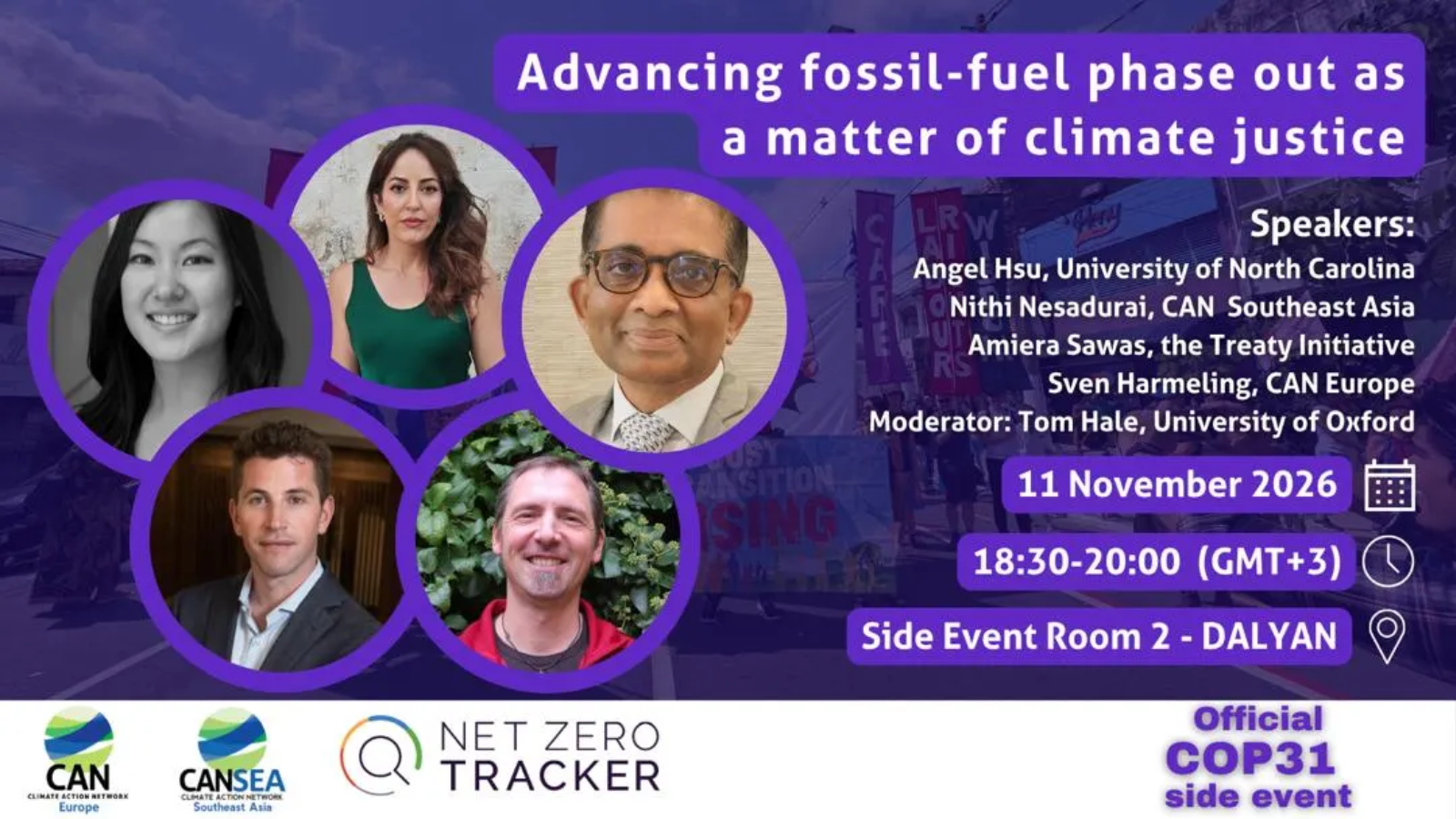
Advancing fossil-fuel phase out as a matter of climate justice
Date: Wednesday, 11 November
Time: 18:30 - 20:00
Location: Side Event Room 2Dr. Amiera Sawas of the Fossil Fuel Treaty Initiative joins a side event hosted by Climate Action Network South East Asia and Europe linking ongoing discussions under the COP30-mandated roadmap and the Santa Marta process. The side event will consider key parameters for advancing the phase-out of fossil fuels in a just transition, and discuss implications for COP31 outcomes.
-

This Is Our Home Event & Civil Society Reception
Date: Wednesday, 11 November
Time: 19:00 - 21:00
Location: Moana PavilionJoin us for a This Is Our Home Event + Pasifika civil society reception at COP31.
-
Civil Society Equity Review 2026 Report Launch
Date: Thursday, 12 November
Time: 18:30 - 20:00
Location: Side Event Room 7Andrés Gómez, Latin America Coordinator for the Fossil Fuel Treaty Initiative, joins this side event on how fossil fuels drive militarism and me-first geopolitics, requiring climate action based on multilateralism and cooperation. The panel will argue that phasing out fossils means a safer world with greater economic resilience. The event discusses these themes and assesses countries' fair shares of limiting warming to 1.5°C.
-
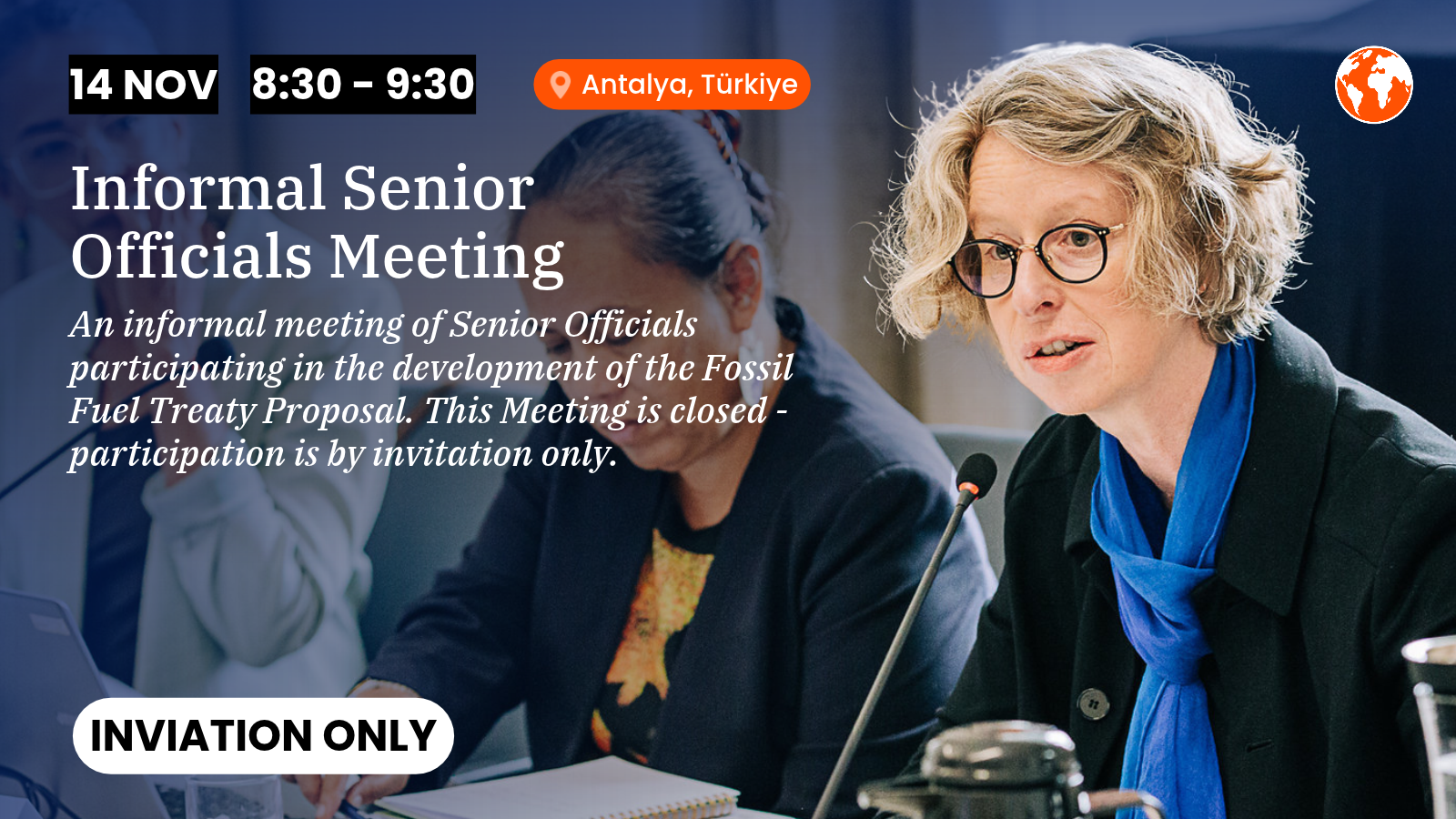
Informal Senior Officials Meeting
Date: Saturday, 14 November
Time: 08:30 - 09:30An informal meeting of Senior Officials participating in the development of the Fossil Fuel Treaty Proposal. This Meeting is closed - participation is by invitation only.
-
The Climate Diplomats of the Future and How We Can Reinforce Climate Diplomacy
Date: Saturday, 14 November
Time: 10:00 - 11:30
Location: TED Countdown House, Anadolu ParkKumi Naidoo, President of the Fossil Fuel Treaty Initiative, will join this roundtable organised by Earth4All to explore who the climate diplomats of the future are, how they can work alongside ambitious governments to shape decisions, build public support and counter resistance to climate action, and what is needed to give them meaningful influence in the diplomatic process.
-
The Future Starts Today - a workshop to explore stories of intergenerational climate action
Date: Saturday, 14 November
Time: 14:30 - 16:00
Location: Global Futures PavilionIn 2027, a new UN Secretary-General will take office. In a time of geopolitical tensions, challenges to international law, and budget cuts, there is a real risk that climate change slips down the agenda of the UN leadership in this transition. This is the starting point for The Future Starts Today, a project led by individual members of the UN Secretary-General’s Youth Advisory Group on Climate Change (YAG). This workshop will explore stories of intergenerational climate action, gathered through The Future Starts Today and documented in the project report. In particular, the workshop aims to socialise and contextualise the findings of the project report together with the workshop participants.
-
Negotiating Mandate Working Group
Date: Sunday, 15 November
Time: 09:00 - 12:00An invitation-only strategy meeting of the Fossil Fuel Treaty Initiative’s Negotiating Mandate Working Group.
-
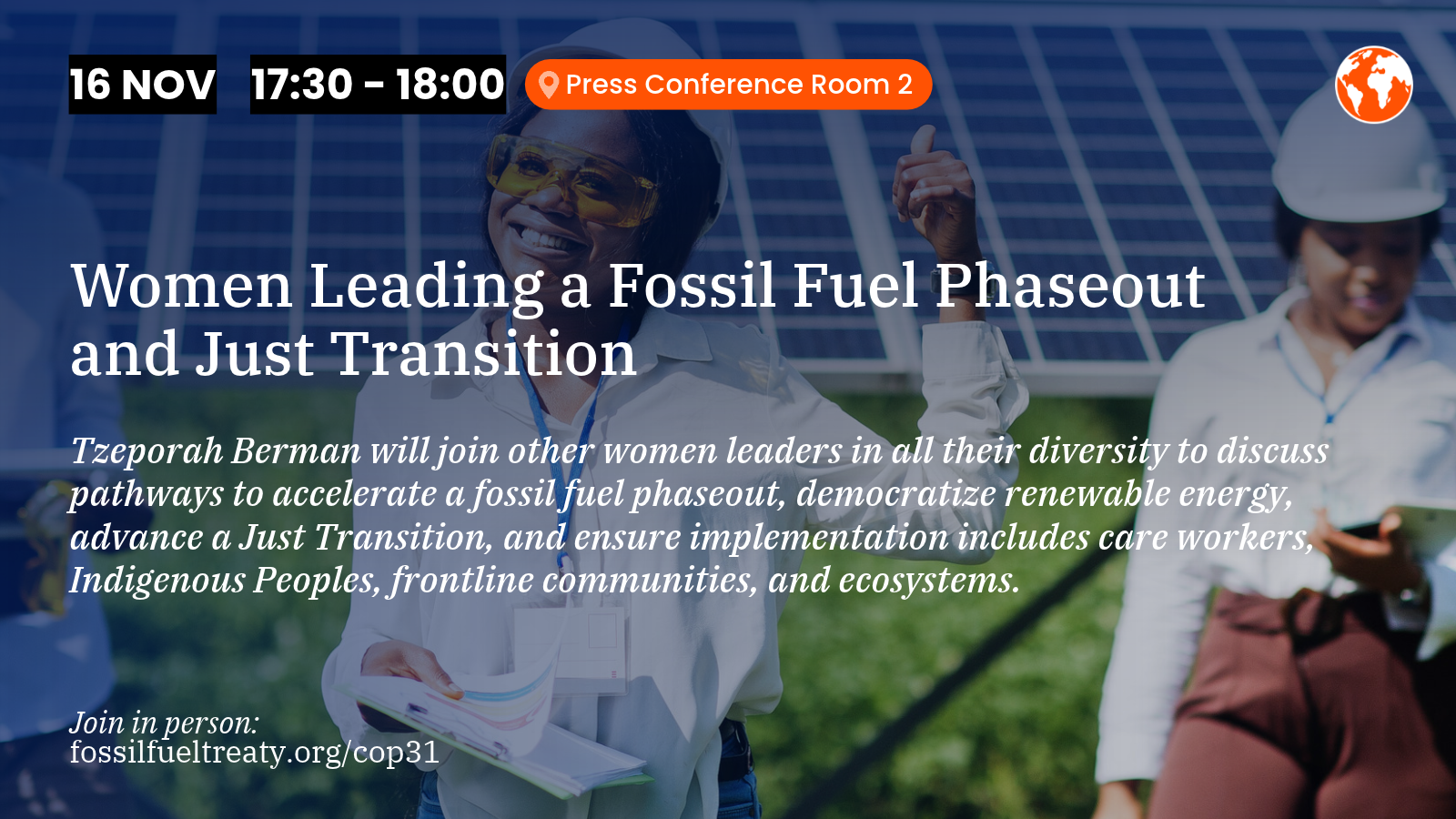
Women Leading a Fossil Fuel Phaseout and Just Transition
Date: Monday, 16 November
Time: 17:30 - 18:00
Location: Press Conference Room 2As countries prepare to implement commitments to transition away from fossil fuels, women leaders are advancing bold strategies that center justice, equity, and community resilience. Tzeporah Berman will join other women leaders in all their diversity to discuss pathways to accelerate a fossil fuel phaseout, democratize renewable energy, advance a Just Transition, and ensure implementation includes care workers, Indigenous Peoples, frontline communities, and ecosystems.
-
The Future of International Cooperation on the Fossil Fuel Phase Out
Date: Monday, 16 November
Time: Coming Soon!
Location: Press Conference Room 1High-level party press conference showcasing growing political momentum for international cooperation and a Fossil Fuel Treaty. Ministers and senior representatives from a diverse, geographically broad group of countries will speak about their support for a managed, just global transition away from fossil fuels. The event will give a public platform to members of the Bloc of Nations Developing a Fossil Fuel Treaty, and a possible announcement of countries that have recently joined. Speakers will highlight the ongoing political push on fossil fuel phase-out and the connection to the Santa Marta Process. They will reinforce the call for a Fossil Fuel Treaty as the international instrument to turn commitments into coordinated, collective action.
-
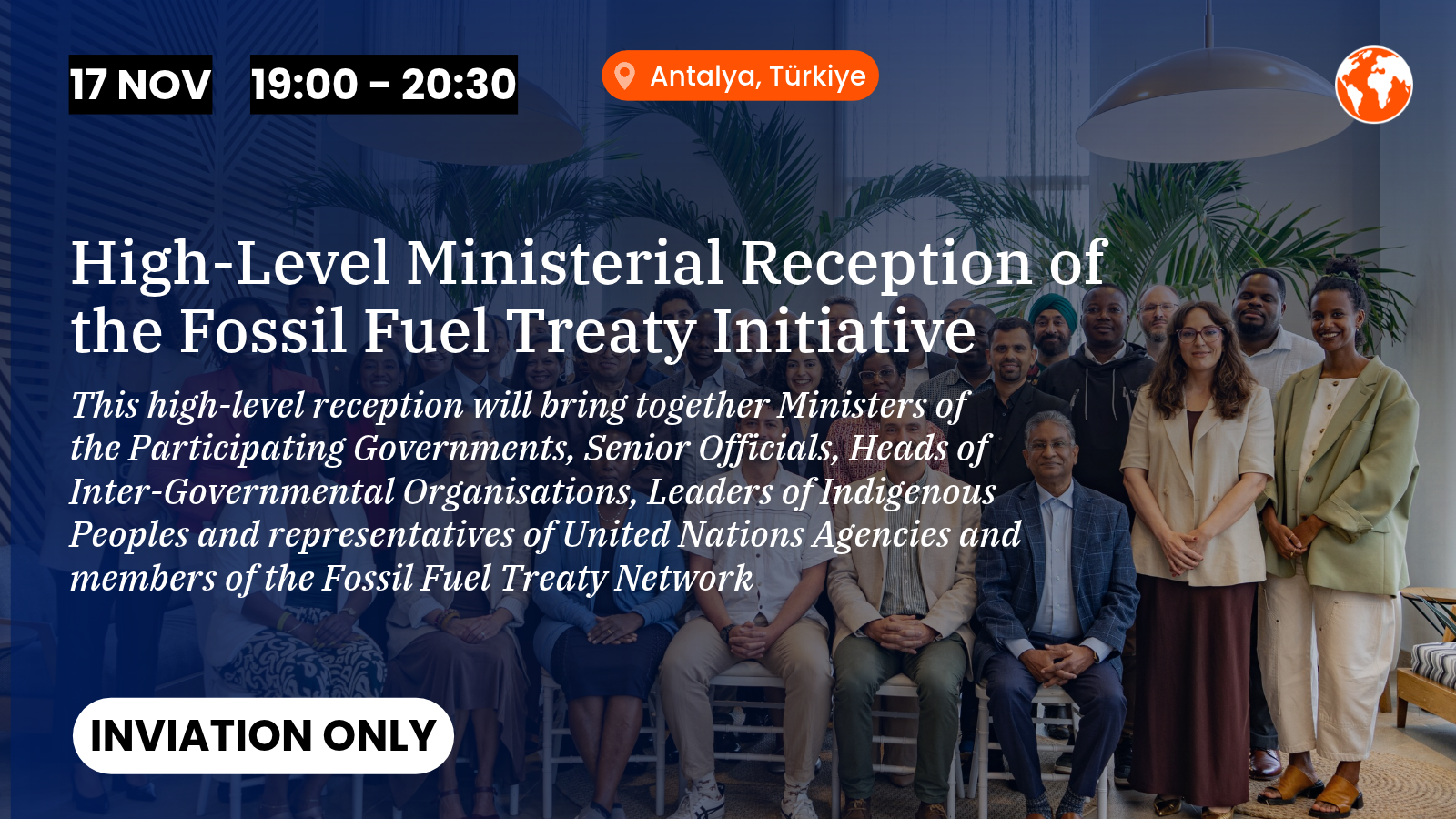
High-Level Ministerial Reception of the Fossil Fuel Treaty Initiative
Date: Tuesday, 17 November
Time: 19:00 - 20:30This high-level reception will bring together Ministers of the Participating Governments, Senior Officials, Heads of Inter-Governmental Organisations, Leaders of Indigenous Peoples and representatives of United Nations Agencies and members of the Fossil Fuel Treaty Network
-
The Global Energy Transition: Connecting Scientific Evidence, Climate Policy and International Cooperation
Date: Thursday, 19 November
Time: 15:10 - 15:40
Location: YÖK PavilionTzeporah Berman joins an informal and intimate conversation on all things related to international cooperation for a just and equitable transition away from fossil fuels.
-
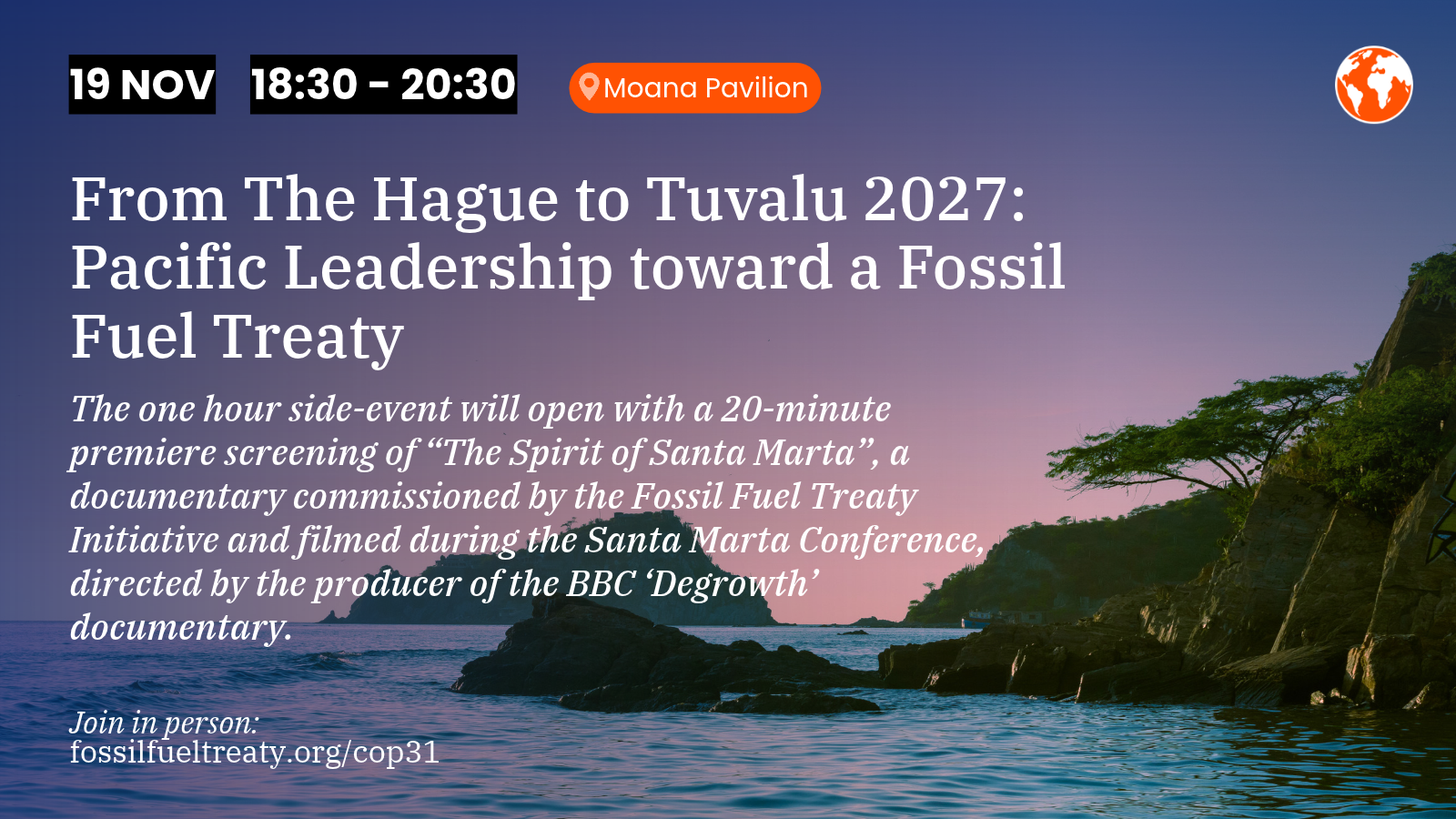
From The Hague to Tuvalu 2027: Pacific Leadership toward a Fossil Fuel Treaty
Date: Thursday, 19 November
Time: 18:30 - 20:30
Location: Moana PavilionThe closing event of the Moana Pavilion will feature the premiere screening of “The Spirit of Santa Marta”, a documentary commissioned by the Fossil Fuel Treaty Initiative and filmed during the First International Conference on the Transition Away from Fossil Fuels, directed by the producer of the BBC ‘Degrowth’ documentary.
The leaders who built this journey will then discuss what the ICJ opinion means for fossil fuel production, what to expect as Tuvalu prepares to host the world next year, and what it will take to secure a negotiating mandate for a Treaty. As delegations leave Antalya, we want to give them their next destination.
-
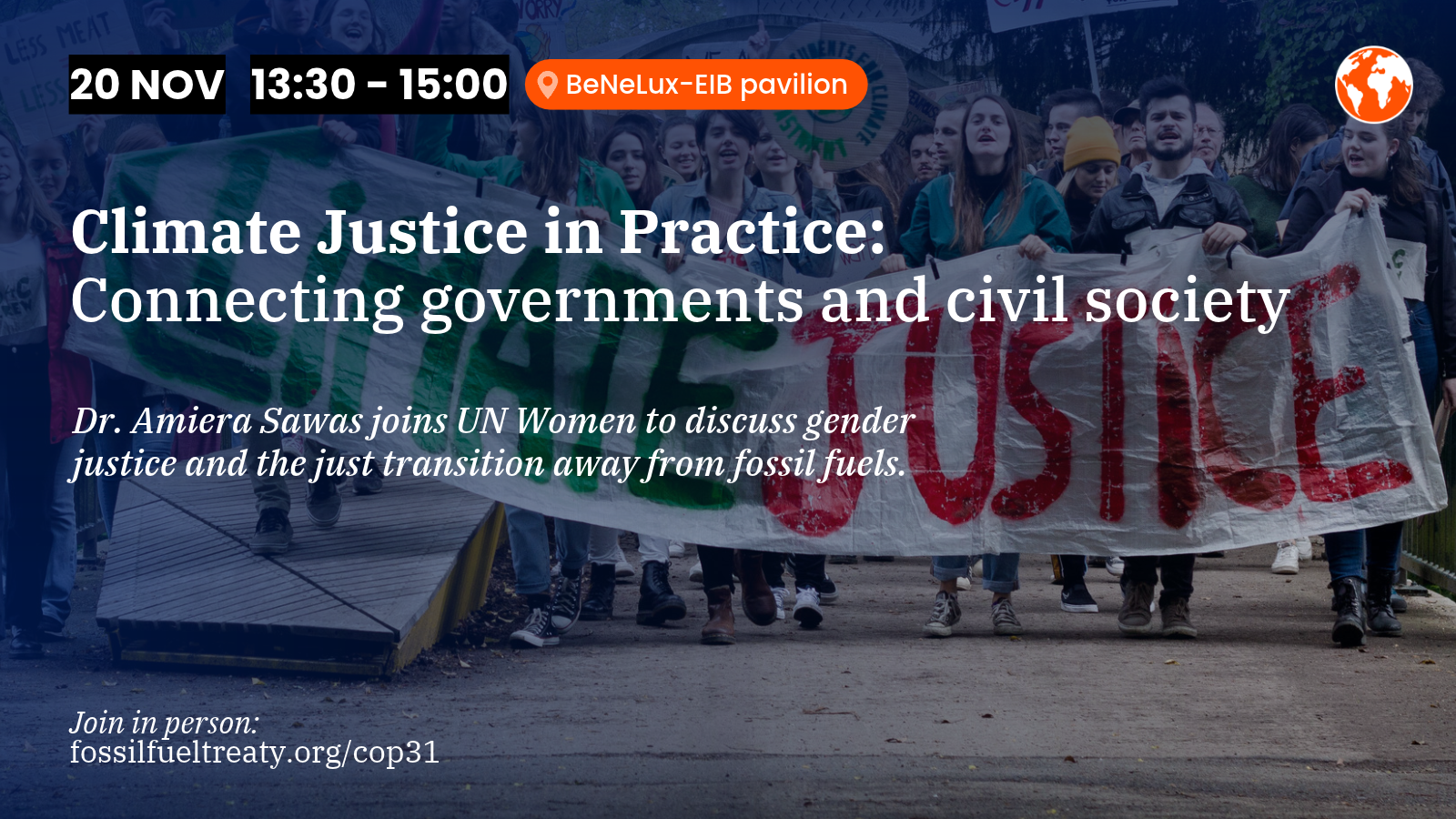
Climate justice in practice: Connecting governments and civil society
Date: Friday, 20 November
Time: 13:30 - 15:00
Location: BeNeLux-EIB pavilionDr. Amiera Sawas joins UN Women to discuss gender justice and the just transition away from fossil fuels.
The Fossil Fuel Treaty at COP31

-
We meet at COP31 after a year in which no region was spared. A glacier collapse in Nepal killed more than 1,300 people, a heatwave left over 35,000 dead across Europe, and fires burned from Canada to North Africa and Indonesia. Drought gripped the Caribbean, and Typhoon Dujuan forced 1.9 million people in Japan to evacuate. Now a super El Niño is strengthening, and its effects are already being felt around the world.
The root cause of this destruction is fossil fuel production, responsible for 86% of carbon dioxide emissions over the past decade. And the toll of our expansion of oil, gas and coal extraction runs well beyond the climate crisis: their emissions drive climate disasters, and their revenues fuel conflicts. The wars in Ukraine and Iran, and the closure of the Strait of Hormuz, are financed by oil and gas revenues and tied to control over hydrocarbons and the routes that carry them.
In every war, civilians pay with their lives, their homes and their futures. The deepening energy crisis is pushing up bills for struggling households everywhere and driving fossil fuel extraction ever further and deeper, with the communities living alongside it the first to bear the cost.
For much of the Global South, the cost also comes as debt. In 2024, low and middle-income countries paid a record $415 billion in interest on their external debt, and $205 billion more to creditors than they received in new loans. Many now spend more servicing debt than on health, education or climate action. To keep paying, governments are pushed to expand oil, gas and coal for hard currency, deepening their exposure to the price shocks and climate disasters that drove their debt up in the first place.
Meanwhile, oil majors have cashed in: the Iran-driven price spike alone brought eight listed companies close to $93 billion in three months, nearly double what they made the year before, while the rest of us faced growing inflation and a cost of living crisis.
The UN Environment Programme's Limiting Overshoot report said plainly that the world is already pushing past 1.5°C. But every degree matters, and only rapid, rigorous action on fossil fuel phase out will limit peak temperatures, shorten the overshoot and keep open the possibility of bringing the world back below 1.5°C.
The world's highest court has confirmed that acting on fossil fuels is also a legal obligation: in its Advisory Opinion, the International Court of Justice ruled that a State's failure to act on fossil fuel production, licensing or subsidies can be an internationally wrongful act under international law.
Scientists, judges and the people living through these fossil-fuelled disasters are now saying the same thing: fossil fuels must be phased out, and fast. Yet the world's largest producers have barely responded and governments still plan to produce more than double the fossil fuels in 2030 that would be consistent with 1.5°C.
Fossil fuels keep expanding for a simple reason: no international instrument governs its production, coordinates its phase-out, manages the shared economic consequences or aligns trade, investment and finance rules with the transition. The Paris Agreement is an important instrument, but it was built to govern emissions. It currently doesn't name oil, gas or coal, and leaves the extraction side of the crisis untouched.
Another climate disaster and another energy shock will come, the only question is when. But how many lives they cost is still up to governments who can work together toward a managed, fair decline in production that cuts emissions, eases the pressures behind conflict and protects human rights and energy security.
There is no path to 1.5°C that isn’t fair. Equity is what makes it possible, because a transition that leaves countries, workers and communities to carry the costs alone will stall long before it reaches the pace that science demands.
But no country can do this alone. International cooperation is the only way out of the crisis.
-
COP30 Presidency Roadmap for Transitioning Away from Fossil Fuels: Announced after fossil fuel language was dropped from the Belém outcome, and due to launch ahead of or at COP31. It draws on input from 115 countries and 247 non-state actors, and maps the barriers to and pathways for moving away from fossil fuels in energy systems.
Guidance for the transition is critical, but the Roadmap is not binding and sets no targets. It is helpful guidance that only matters if countries commit to the policies and mechanisms it describes. Each government is left to write its own plan, and they will go further if they do it together.
National roadmaps: They set out what countries intend to do at home. France, the Netherlands and Germany have already published theirs, and these efforts should be encouraged.
Roadmaps rest on national efforts. Those matter, but like nationally determined contributions, they are voluntary and aren’t coordinated globally: each country sets its own pace and level of ambition, with no shared benchmark and no equity dimension on who should move first, how fast, or with what support. Even among wealthy countries, ambition varies widely: France sets end dates for coal by 2030, oil by 2045 and gas by 2050, while the Netherlands plans to expand domestic gas production. In addition, many countries will not be able to build national roadmaps without further international cooperation to address structural financial barriers such as debt.
The Just Transition Mechanism, known in civil society as the Belém Action Mechanism (BAM): created at COP30 and expected to be made operational at COP31, it would give governments a standing space to cooperate on support for workers and communities and to track progress.
The BAM does not address fossil fuel production directly. It can help workers and communities through the transition, but it can’t decide what gets phased out or by when, so the pace is still set elsewhere. It brings no new finance, which leaves countries relying on climate finance that mostly arrives as loans.
Anything negotiated within the UNFCCC, like the Paris Agreement, the BAM or any formal endorsement of the COP30 roadmap at COP31, operates under consensus, so a single state can block outcomes. Consensus-based decision making has let a few objecting countries stall outcomes the majority supports, and fossil fuel interests have long worked to keep it that way. In practice, consensus within the UNFCCC works as a veto for the states with the most at stake in continued production, which is why trade rules, debt and technology transfer have sat unresolved for years.
Santa Marta Process: Born from the First International Conference on Transitioning Away from Fossil Fuels, co-hosted by Colombia and the Netherlands in April 2026. It opens the first dedicated space outside the formal UNFCCC negotiations for countries ready to support solutions based on international cooperation, such as a Fossil Fuel Treaty. The second conference will be co-hosted by Tuvalu and Ireland in July 2027.
None of these tracks can do the job alone, and none has to. Few global challenges are governed by a single treaty, and climate change is no exception. International governance evolves: as our understanding of a problem shifts and political will changes, new agreements, rules and processes are built on what came before. The climate regime is part of a broader, interconnected body of international law, which makes it adaptable to new science and new opportunities for cooperation. These layers do not compete. They are all needed, and each covers ground the others can’t.
A Fossil Fuel Treaty would fill the gaps they leave. It is the most comprehensive proposed instrument: binding, time-bound, centered on equity, and able to serve as an umbrella for the other tracks. It would coordinate national efforts against a shared benchmark, tackle production directly, and give countries ready to move a way forward that no single state can block. Designed to complement and reinforce the Paris Agreement, it would give the UNFCCC a concrete plan and the mechanisms to move away equitably from the main drivers of the multiple and deepening crises our world faces.
COP31 talks need to keep strengthening what the Paris Agreement already provides, like nationally determined contributions, roadmaps and the BAM, while opening space for and supporting new complementary forums and legally binding instruments, like the Santa Marta Process and a Fossil Fuel Treaty, that tackle what Paris was never designed to deliver.
-
Governments ready to cooperate on a fair phase-out are already coming together. In Santa Marta, 57 countries and over 2,000 stakeholders met, and the co-chairs' report concluded that closing the governance gap requires action within and beyond the UNFCCC. 80% of participating sectors called for a new international framework, with a Fossil Fuel Treaty the most prominently supported proposal.
The Santa Marta Process is proof that states and non-state actors can cooperate to act on the transition. Complementary to the UNFCCC, it is the forum where concrete solutions such as a Fossil Fuel Treaty can be discussed and a negotiating mandate advanced.
The Bloc of Nations Developing a Fossil Fuel Treaty is now working toward that mandate.
The Second Conference on the Just Transition Away from Fossil Fuels, co-chaired by Tuvalu and Ireland, will take place in the Pacific in July 2027. At the UN General Assembly in September, the hosts have announced it will focus on "international cooperation and action rather than further diagnosis and dialogue", and should soon share details on participation from different sectors.
-
A negotiating mandate is a decision States take to authorise negotiations and settle their basic terms in advance: the form of the instrument, its scope, the forum, the timeline and the decision-making rules. It does not bind States to substantive obligations, but every question left open at the mandate stage becomes a point of contention once negotiations begin.
Getting the mandate right is what makes an ambitious treaty possible. A successful mandate will also balance the political feasibility of securing a critical mass of countries representing different economies (both fossil fuel producers and consumers) and geographies (ideally from every continent) to allow the treaty to have maximum impact without compromising on ambition, through a clearly articulated scope.
A Fossil Fuel Treaty would rest on three pillars: a just and financed transition for every worker, community and country that enables governments to end the expansion of new oil, gas and coal production, as well as equitably phase out existing production. Within that framework, a Treaty would rest on two foundations: benchmarks that set the standard for the transition, and mechanisms that make it possible.
Benchmarks: ending expansion, with no new oil, gas or coal projects since existing fields and mines already exceed the 1.5°C carbon budget; an equitable phase-out of existing production, differentiated by historical responsibility, capacity and national circumstances, with wealthier and less-dependent producers moving first and fastest; and safeguards that protect workers and affected communities and prevent new harms, including green extractivism.
Mechanisms: concessional finance from developed countries, alongside the Treaty’s own sources such as levies on fossil fuel production and exports, sovereign wealth funds and a buyers-sellers club that benefits participating States; a debt facility offering restructuring and relief tied to the transition; and coordinated action on investor-state dispute settlement (ISDS) and investment treaties.
-
A Fossil Fuel Treaty is the plan that brings all phase-out tracks together and reinforces Paris, by providing the producer–consumer cooperation basis no existing instrument offers, translating the ICJ obligations into equity principles based on capacity, dependence and responsibility, establishing transparency on production and subsidies, and creating standing governance for finance, debt relief and diversification.
The momentum is already there: more than 25 Global South countries from every continent are participating in the Bloc of Nations Developing a Fossil Fuel Treaty. They are backed by the International Union for Conservation of Nature (IUCN), the World Health Organization (WHO), the European Parliament, over 4,300 civil society organisations, 1,000 parliamentarians, 3,000 scientists, 200 subnational governments, Indigenous Peoples, businesses, youth, faith institutions, and over a million individuals worldwide.
The next step is a negotiating mandate, and the bloc of nations developing the Treaty is working to secure it at the Second Conference on the Just Transition Away from Fossil Fuels hosted by Tuvalu and Ireland in 2027.
-
Limiting Overshoot
The report is a definitive warning: the world is no longer on a trajectory to stay within 1.5°C and is set to cross the threshold within the coming years. 2024 was already the first full calendar year above 1.5°C, and the last ten years are the ten warmest on record.
UNEP sets out an "overshoot, peak and decline" pathway as the most viable strategy. The key variables we still control are the depth and duration of overshoot. Every fraction of a degree and every year spent above 1.5°C raises the risk of irreversible tipping points, with ice sheet loss, coral reef collapse, permafrost thaw, monsoon disruption.
For island nations like Tuvalu, Kiribati or Antigua & Barbuda, the depth and duration of overshoot is the difference between a habitable homeland and none.
The case for stopping expansion now is stronger than ever. Every new barrel, every tonne of coal, every new gas field is a decision to make the overshoot deeper and longer – and to make its consequences fall hardest on those who did least to cause it.
Relying on speculative carbon removal and other unproven technologies at scale to bring temperatures back down is a gamble with other people's lives. The only certain way to limit overshoot is to stop adding to the problem.
Minimising overshoot means: no new fossil fuel projects or investments now; an equitable, managed phase-out of existing production; and a fast, fair transition to renewable energy capable of powering everyone, everywhere.
Electrification
Electrification has real value, especially in Africa, home to most of the world’s people without access to electricity, where expanding access is essential for development. But as a climate measure, it only works if it goes hand in hand with phasing out fossil fuel supply. Fossil fuels still accounted for nearly 60% of global electricity generation in 2024, which means an electrification target could, in principle, be reached without any meaningful shift in the energy mix, if coal and gas generation simply continues or expands alongside it. Worse, in some contexts it could be used to make a case for the expansion of gas-fired electricity generation.
Electrification also speaks primarily to demand: it says less about the extraction, expansion or export of the fuels that continue to supply it. And it relies on critical minerals whose extraction, if left unmanaged, risks repeating the same pattern, with communities in the Global South, and Indigenous Peoples in particular, paying the price for an energy system built to serve others. Delegations can support electrification while noting, constructively, that its value depends on where the electricity comes from, and its fairness on how the minerals behind it are sourced. A Fossil Fuel Treaty could address both, by phasing out fossil fuel supply and setting safeguards against green extractivism.
The Santa Marta Process
Tuvalu and Ireland will co-host the Second Conference on the Just Transition Away from Fossil Fuels in July 2027, in the Pacific.
The process will carry forward all elements of the work begun in Santa Marta, anchored in its three pillars:
Overcoming economic dependence on fossil fuel production;
Transforming fossil fuel supply and demand in line with 1.5°C;
Advancing international cooperation, including closing governance gaps.
The aim is to advance, elaborate and deepen the solutions placed on the table in Santa Marta, so that the Second Conference moves this process from dialogue to implementation through 4 workstreams to be confirmed.
Its value lies in bringing together the countries and sectors that genuinely want to make progress on phasing out fossil fuels and design mutually beneficial solutions – on finance, debt, diversification, trade, and transparency.
The Second Conference will crystallise those discussions into real, actionable outcomes driven by groups of willing countries.
Media Briefings and Resources for COP31Short briefing notes that can help inform governments, cities and other decision-makers about the case for a Fossil Fuel Treaty. Want to organise for a member of the Treaty Support Team to join a briefing? Contact campaign@fossilfueltreaty.org
-
![]()
Summary of Fossil Fuel Commitments in Nationally Determined Contributions
-
![]()
Treaty Negotiating Mandates
-
![]()
-
![]()
How a Treaty Can Catalyse Just Transition Finance
Dr. Amiera Sawas (2025)
-
![]()
The Double Dividend: How Reducing Military Spending Can Finance a Just Transition
Katrin Geyer and Genevieve Riccoboni, 2026
-
![]()
Spillover Effects: The Fossil Fuel Debt Trap in the Global South
Nasrallah, A.; Rodriguez, C.; Fouad, H.; Elhatimi, I.; Rambarran, J.; Mohan, P.; Kadirgamar, N. & Sawas, A. (2026)
-
![]()
Developing an International Regime to Advance the Transition Away from Fossil Fuels
Fossil Fuel Treaty (2026)
Read report in
English | Spanish | Portuguese -
![]()
Gender, Debt and Fossil Fuels: A Mapping of Key Insights from the African Continent
Bemnet Agata and Dr. Amiera Sawas (2026)
-
![]()
G20 Carbon Bombs: Threat of Fossil Fuel Reserves vs. Opportunity for a Just Transition
Fossil Fuel Treaty Initiative with data from the Global Registry of Fossil Fuels (2025)
-
![]()
-
![]()
Fossil Fuel Commitments in Nationally Determined Contributions
Sergio Díaz, Legal Strategy Director at Fossil Fuel Treaty (2025)
-
![]()
Debt Justice and Financing the Just Global Energy Transition: International Cooperation on the Climate-Debt Crisis and the Role of a Treaty
Jwala Rambarran and Dr. Amiera Sawas (2025)
-
![]()
Transitioning Away from Fossil Fuels to Curb Air Pollution Health Harms
Rachel Ruback, Lucas Snaije (2025)
-
![]()
Exporting Harm: The Climate Toll of Australia’s Fossil Fuel Expansion
Fossil Fuel Treaty Initiative (2025)
-
![]()
We Must Stop Subsidising Fossil Fuels and Tax them Instead: A Shipping Levy is the Best Way to get Serious this Year
Dr. Christiaan De Beukelaer, University of Melbourne (2025)
-
![]()
If It's Not Global, It's Not Just: How a Fossil Fuel Non-Proliferation Treaty can Accelerate Finance for a Global Just Transition
Dr. Amiera Sawas, Rebecca Brynes, Mia Partridge (2024)
-
![]()
Financing a Fair and Fast Energy Transition
Fossil Fuel Treaty, 2024
-
![]()
What It Means For A Country To Join The Bloc Of Countries Participating In Discussions On A Fossil Fuel Treaty
Fossil Fuel Treaty, 2025
-
![]()
UNCOMMON WEALTH: Fossil Fuel Expansion in the Commonwealth Dominated by Three Wealthy Countries
Fossil Fuel Treaty Initiative, prepared with data from the Global Registry of Fossil Fuels, housed by Carbon Tracker Initiative. Data and analysis prepared by Johnny West (2024)
-
![]()
Proposed Fossil Fuel Treaty Initiative: A Seat at the Table (One-Pager)
-
![]()
Cities for a Fossil Free Future: From Enhancing City Diplomacy to Decarbonising Key Sectors
Lucas Snaije (2024)
-
![]()
Fossil Fuel Free Cities Toolkit
Lucas Snaije (2024)
-
![]()
Policymakers' Toolkit for a Just Transition from Fossil Fuels
Menotti, V. (2024) Fossil Fuel Treaty Initiative & Civil Society Equity Review
-
![]()
Fossil Fuel Expansion and Sustainable Development Goals
Freddie Daley & Charlie Lawrie, University of Sussex (2021)
-
![]()
Lessons from Humanitarian Treaties for a Fossil Fuel Treaty
Mcleod, Christie (2022)
-
![]()
Briefing for Policymakers
Read briefing paper in
English | Spanish | French | Arabic | Portuguese -
![]()
Summary Flyer
-
![]()
THE CASE FOR A FOSSIL FUEL TREATY CLOSING THE GOVERNANCE GAP ON FOSSIL FUELS
-
![]()
Best Practice Elements of Roadmaps for a Global Just Transition Away from Fossil Fuels







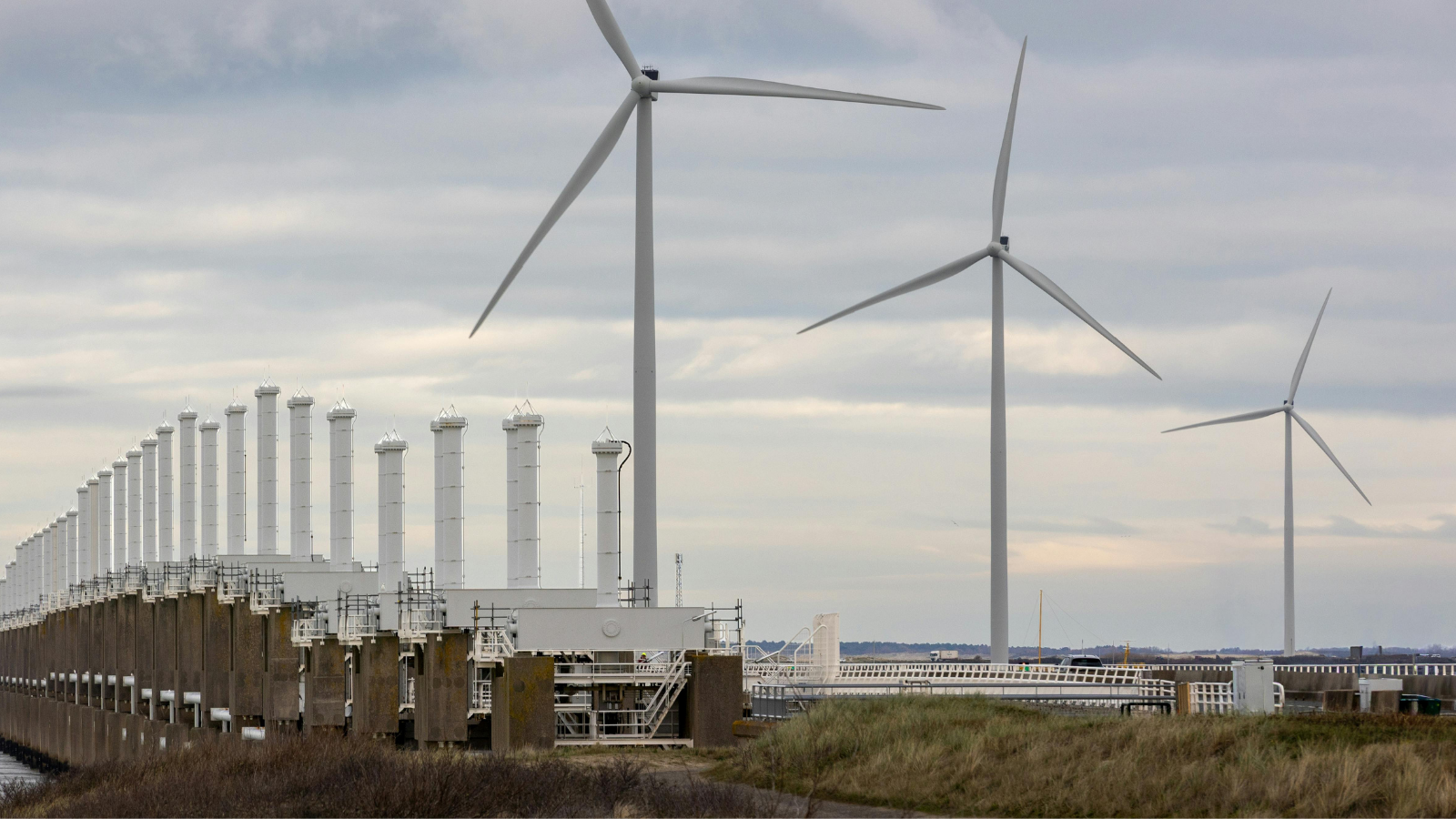


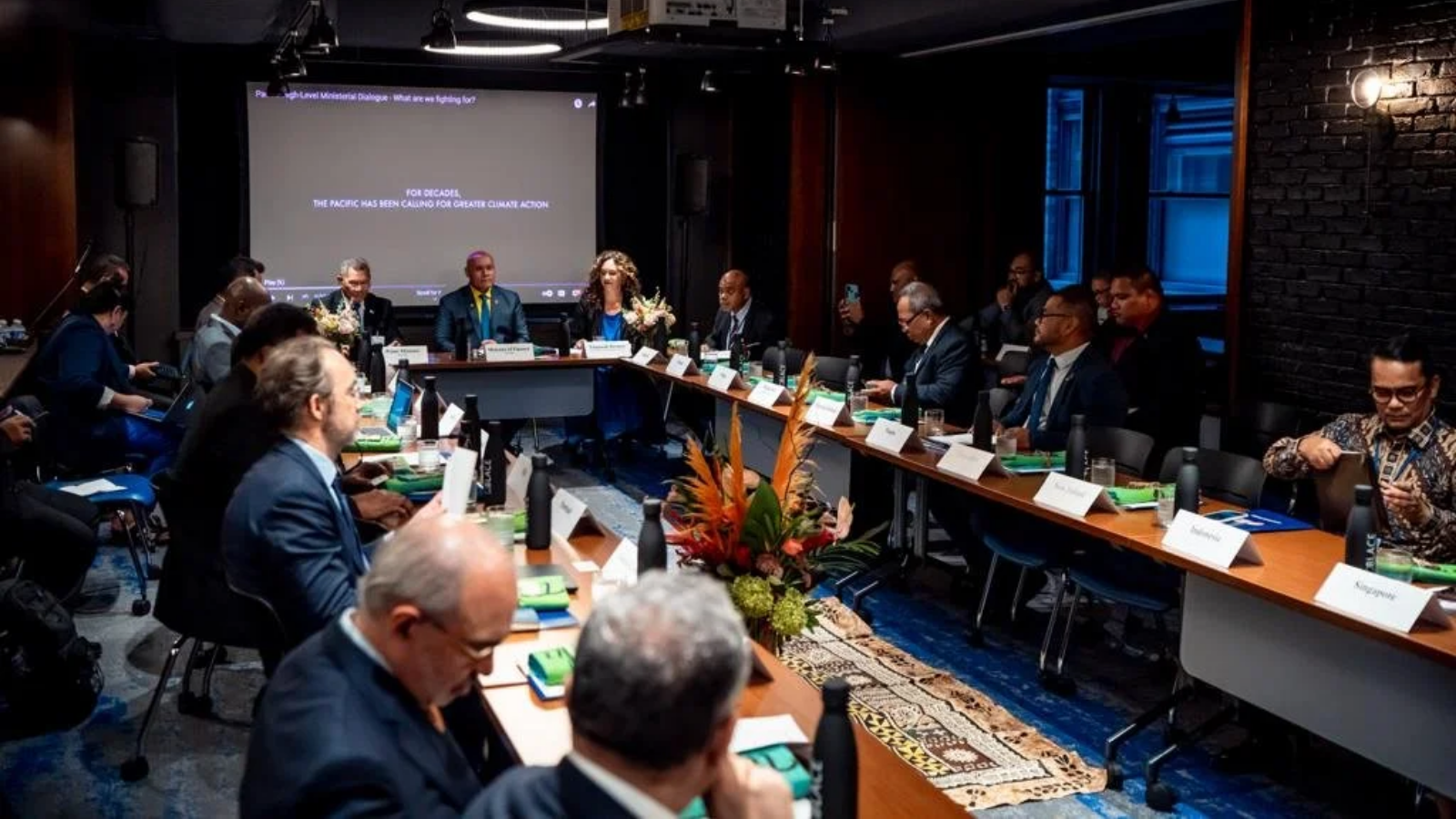

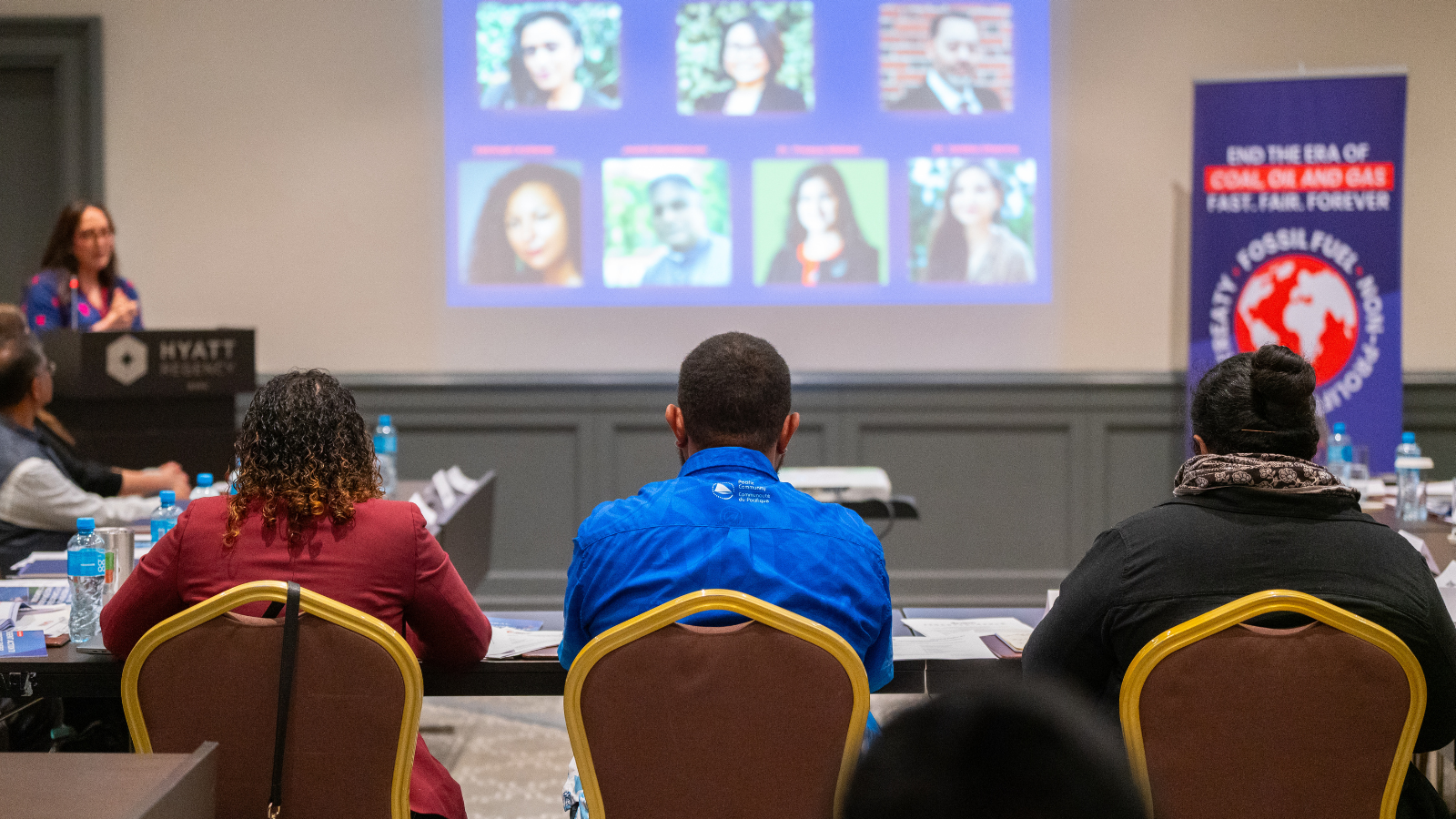
Fossil Fuel Treaty Initiative Spokespeople at COP31Want to arrange a media interview? Please contact media@fossilfueltreaty.org
-

Kumi Naidoo
Fossil Fuel Treaty Initiative, President
South Africa
-

Tzeporah Berman
Fossil Fuel Treaty Initiative, Chair and Founder
Canada
-

Amiera Sawas
Fossil Fuel Treaty Initiative, Head of Research and Policy
UK
-

Harjeet Singh
Fossil Fuel Treaty Initiative, Strategic Advisor
India
-

Alex Rafalowicz
Fossil Fuel Treaty Initiative, Executive Director
Colombia, Australia
-
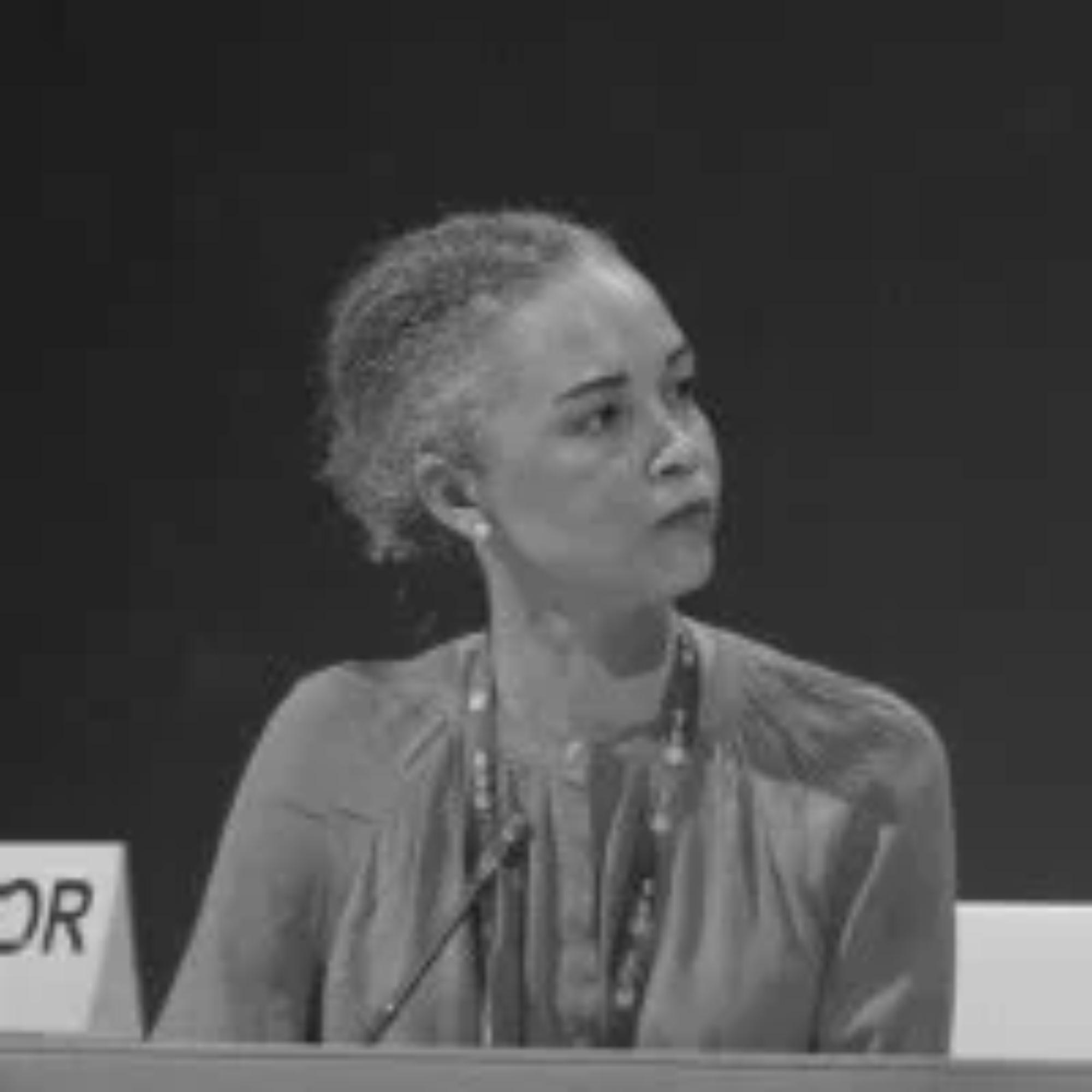
Gillian Cooper
Fossil Fuel Treaty Initiative, Political Director
Antigua and Barbuda
-

Andres Gomez
Fossil Fuel Treaty Initiative, Latin America Lead
Colombia
-
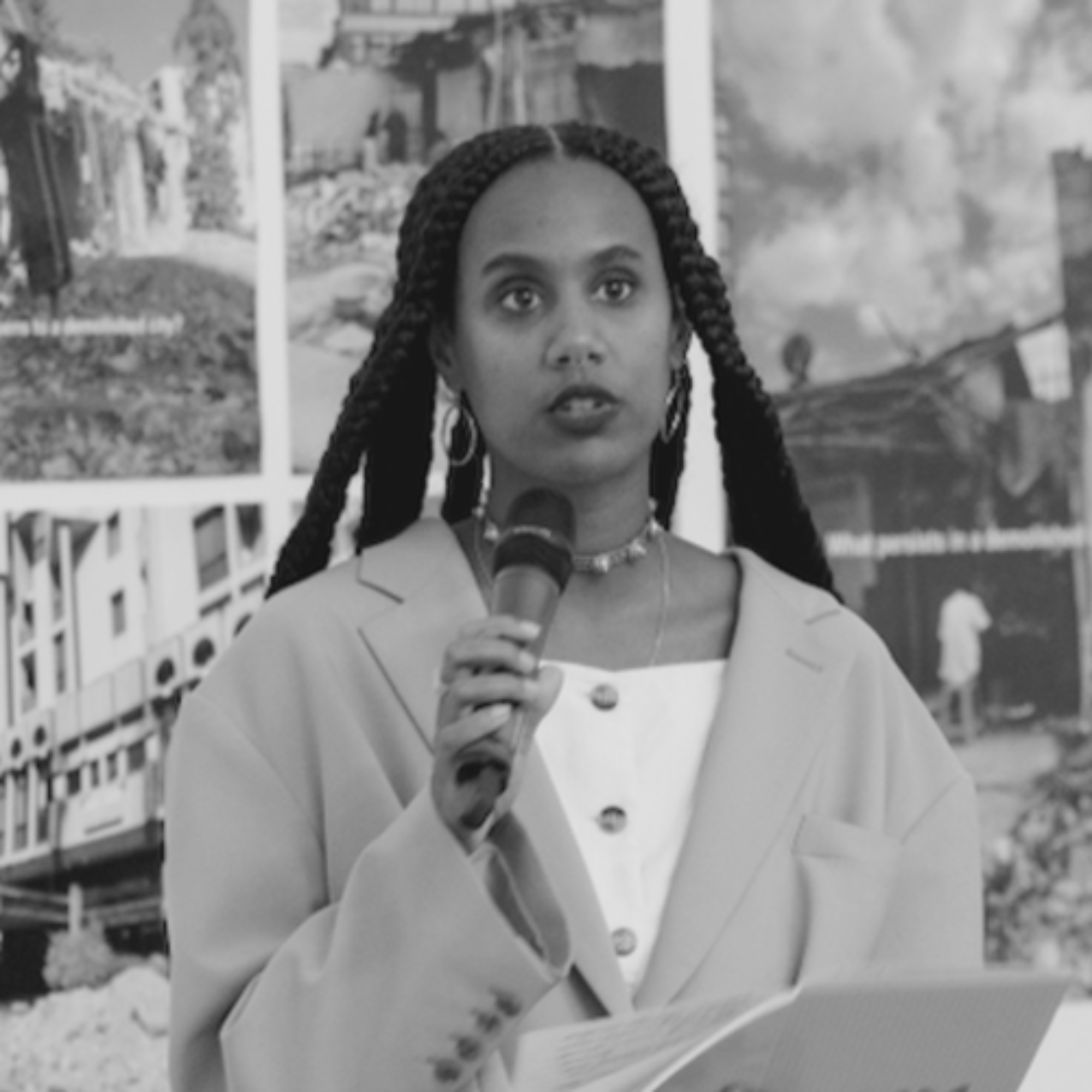
Seble Samuel
Fossil Fuel Treaty Initiative, Africa Lead
Ethiopia
-
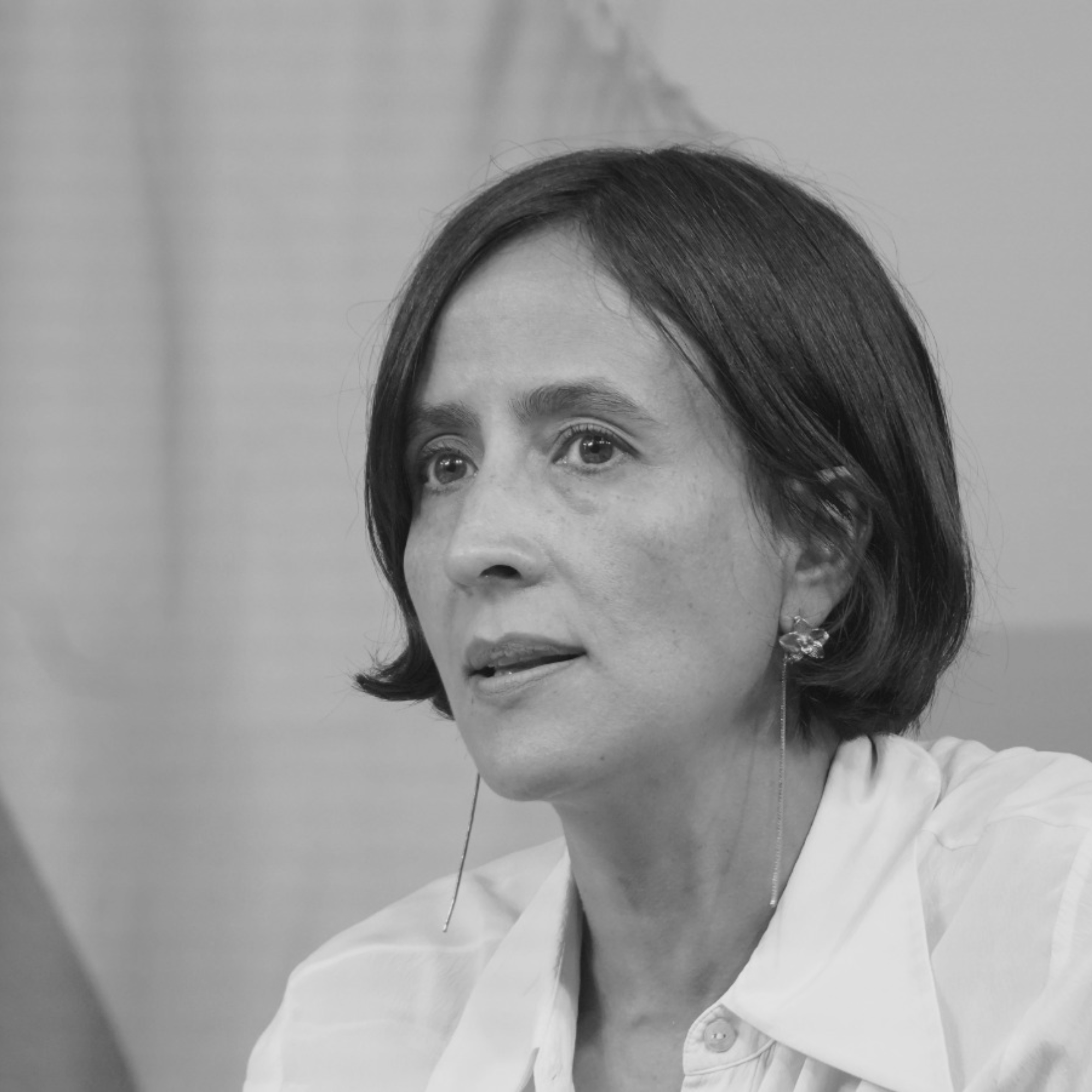
Susana Muhammed
Fossil Free Treaty Initiative, Special Envoy for International Cooperation
Colombia
-

Yuvelis Morales
Alianza Colombia Libre de Fracking, Goldman Prize 2026
Colombia
-
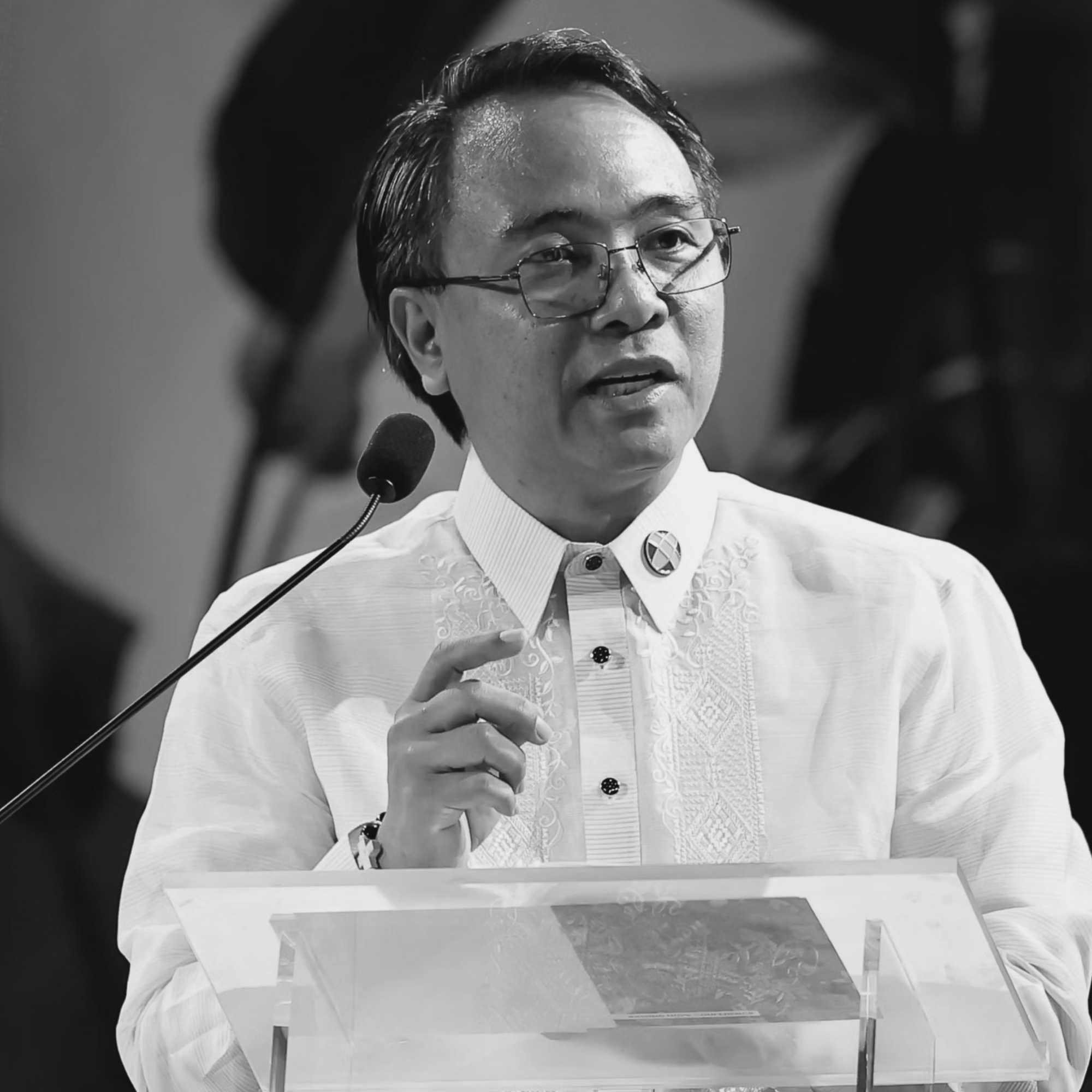
Yeb Saño
Laudato Si Movement
Philippines
-
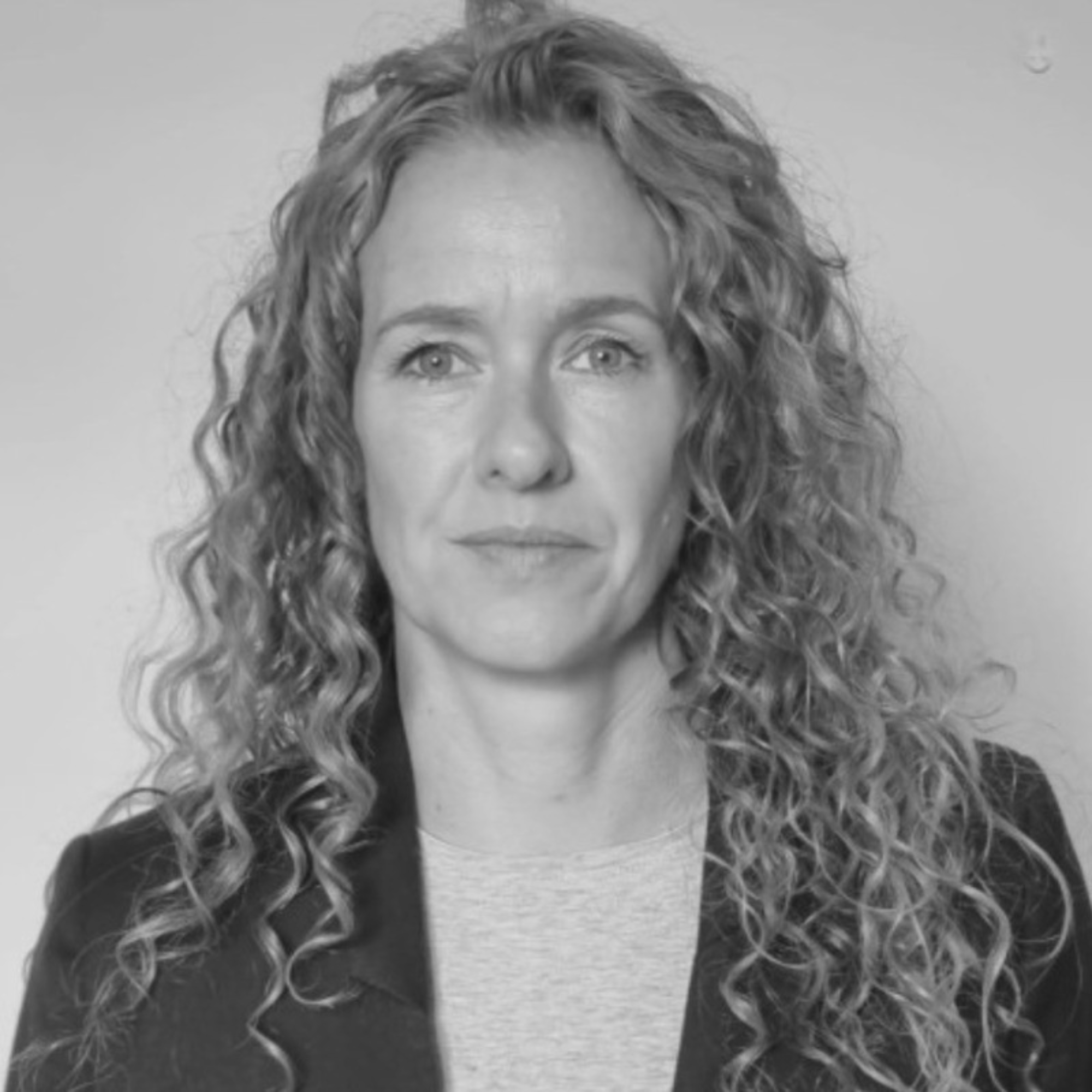
Louise Eleanor Hutchins
Stamp Out Poverty
UK
-

Sinéad Loughran
Trócaire
Ireland
-
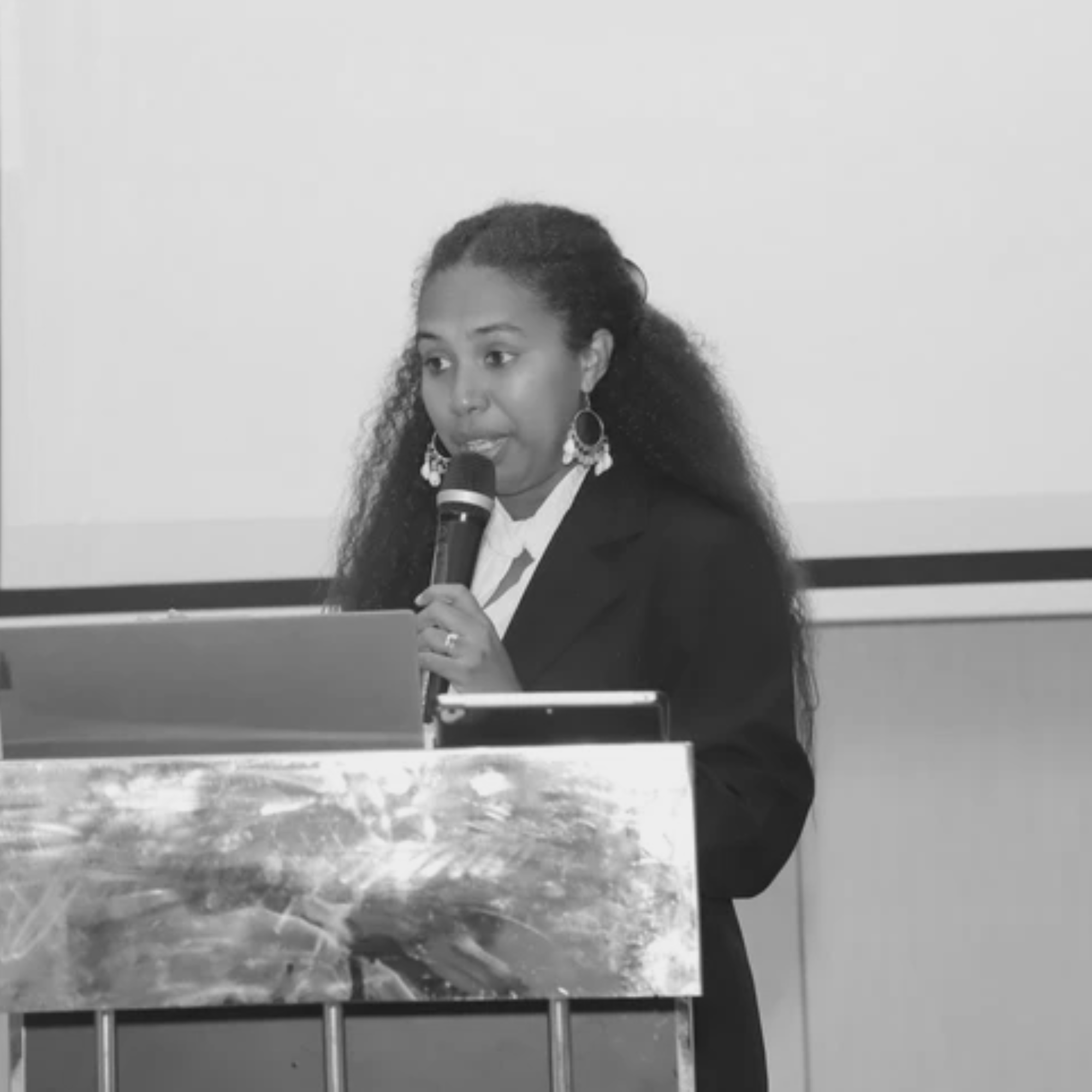
Belyndar Maonia Rikimani
PISFCC
Solomon Islands
-

Brianna Fruean
Pacific Climate Warriors
Samoa
-

Joseph Sikulu
Pacific Climate Warriors
Tonga
-
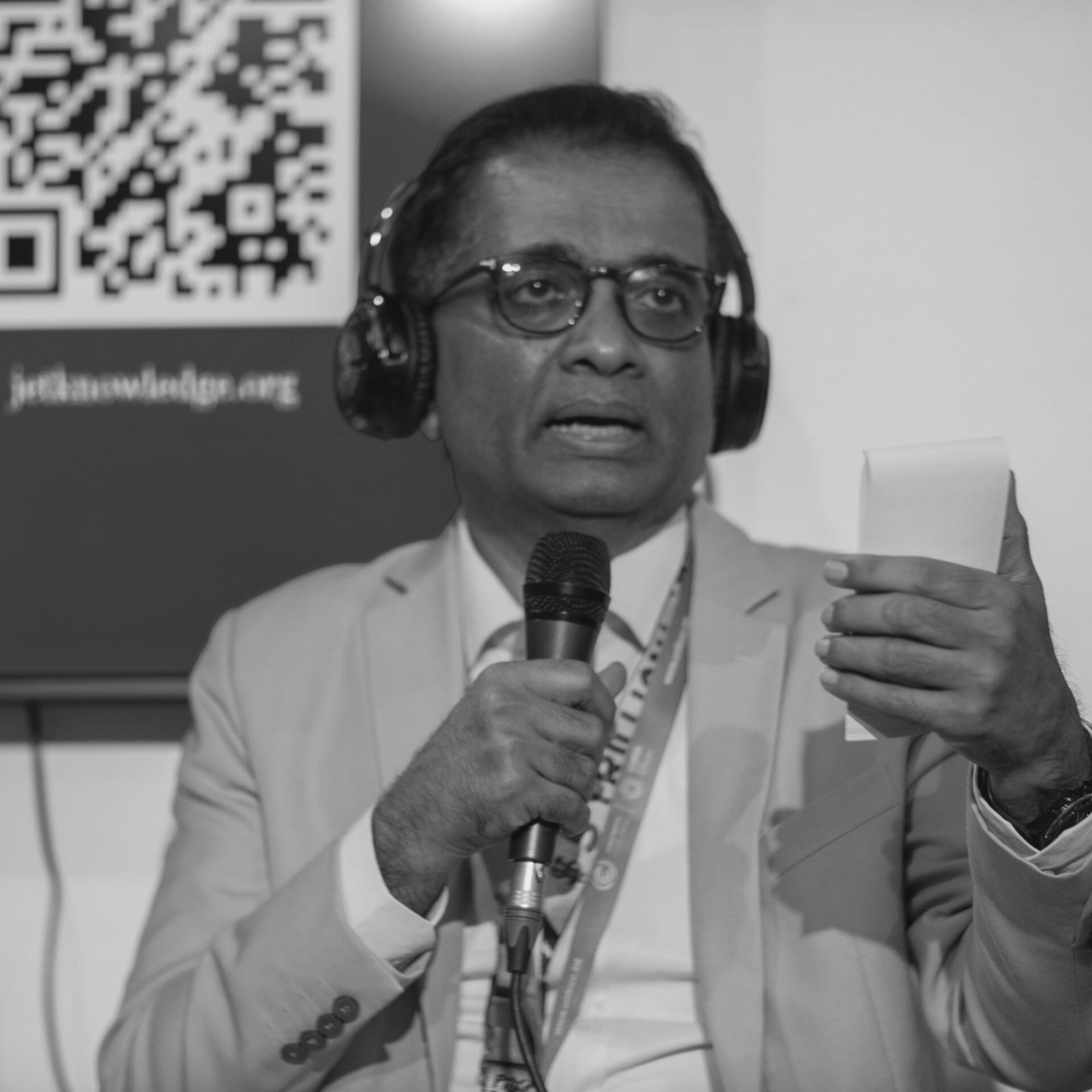
Nithiyananthan Nesadurai
CANSEA
Malaysia
-

Dr. Preeya Mohan
Expert Working Group
Trinidad & Tobago
-
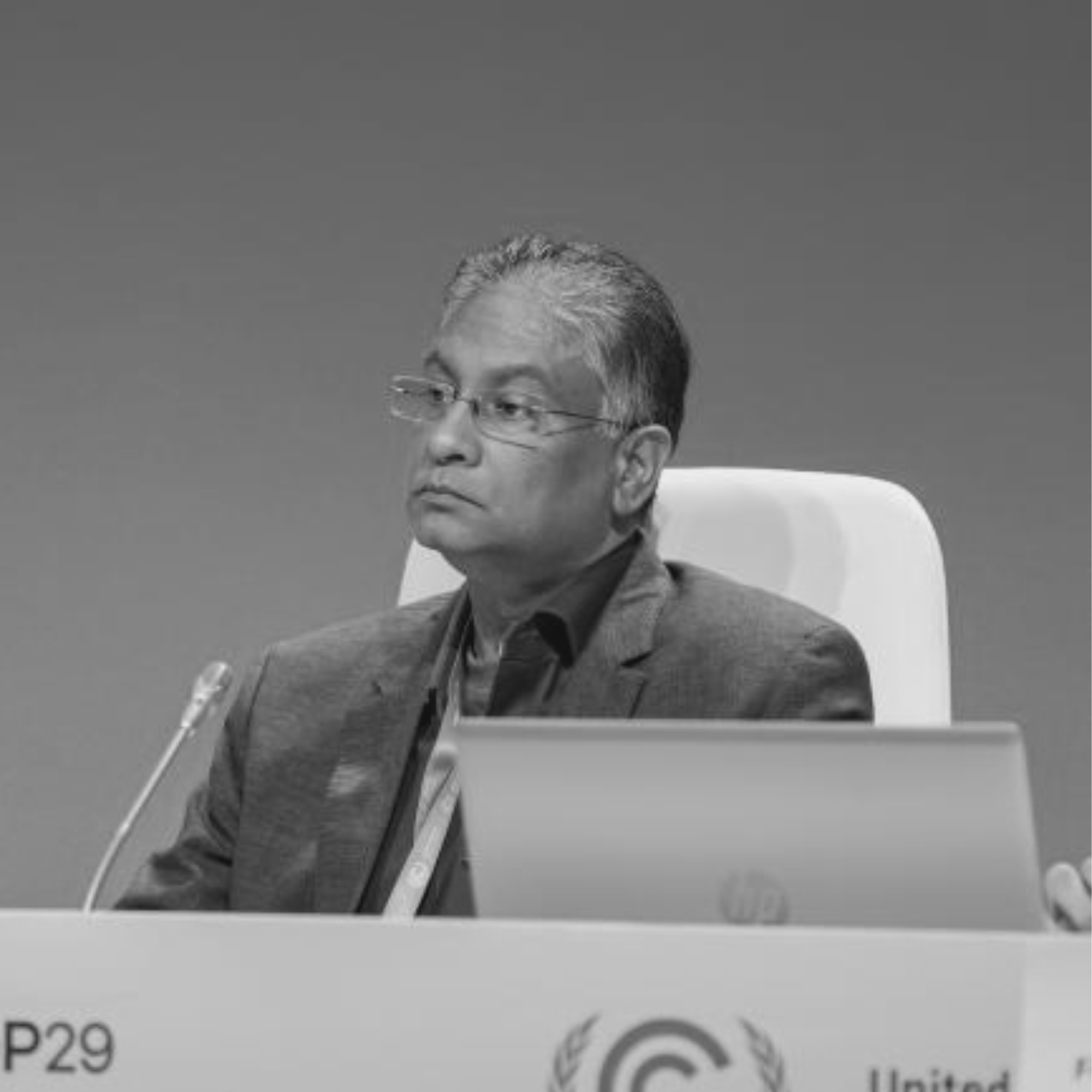
Anston Jwala Rambarran
Expert Working Group
Trinidad & Tobago
-
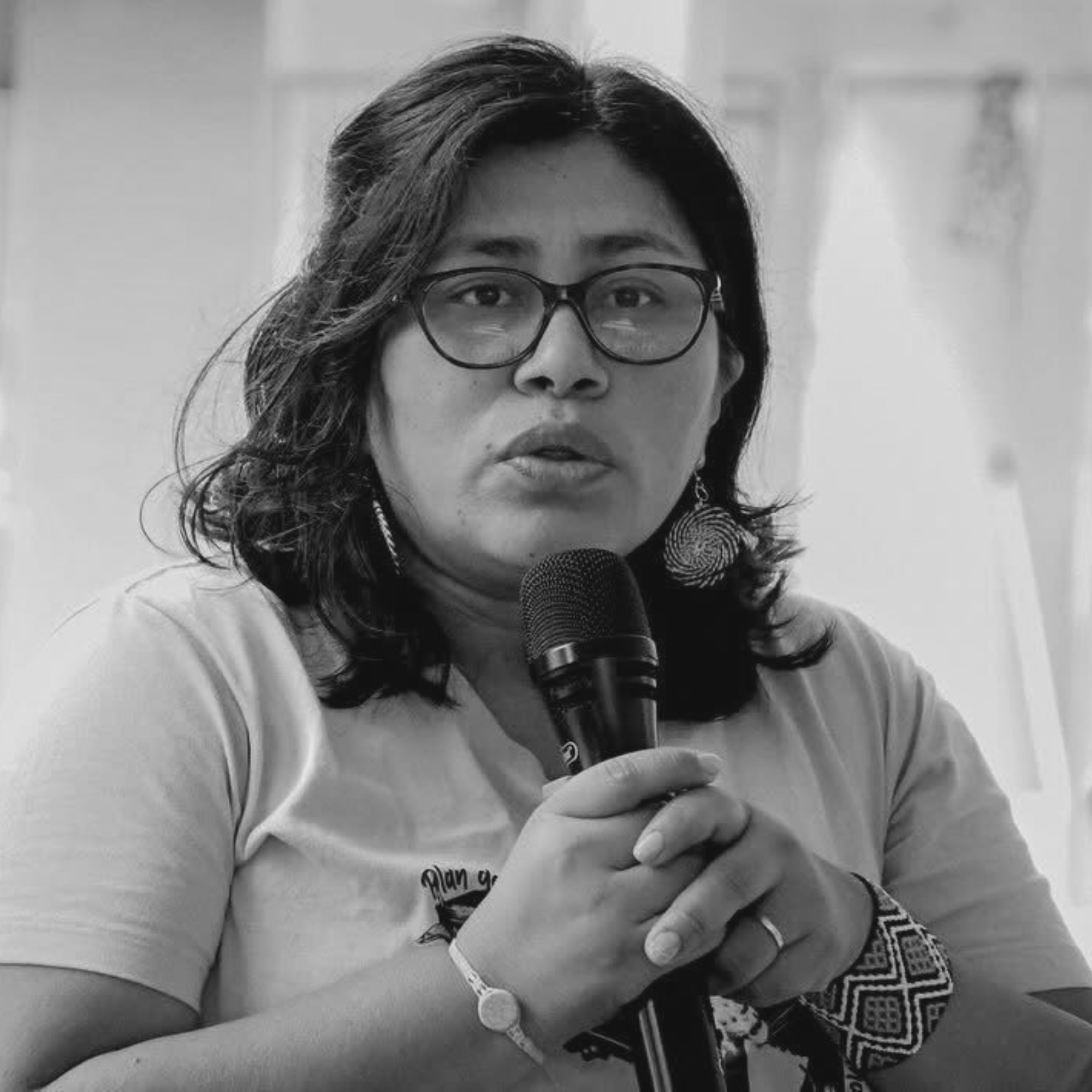
Patricia Suárez
OPIAC
Colombia
-

Ginny Alba
OPIAC
Colombia
-
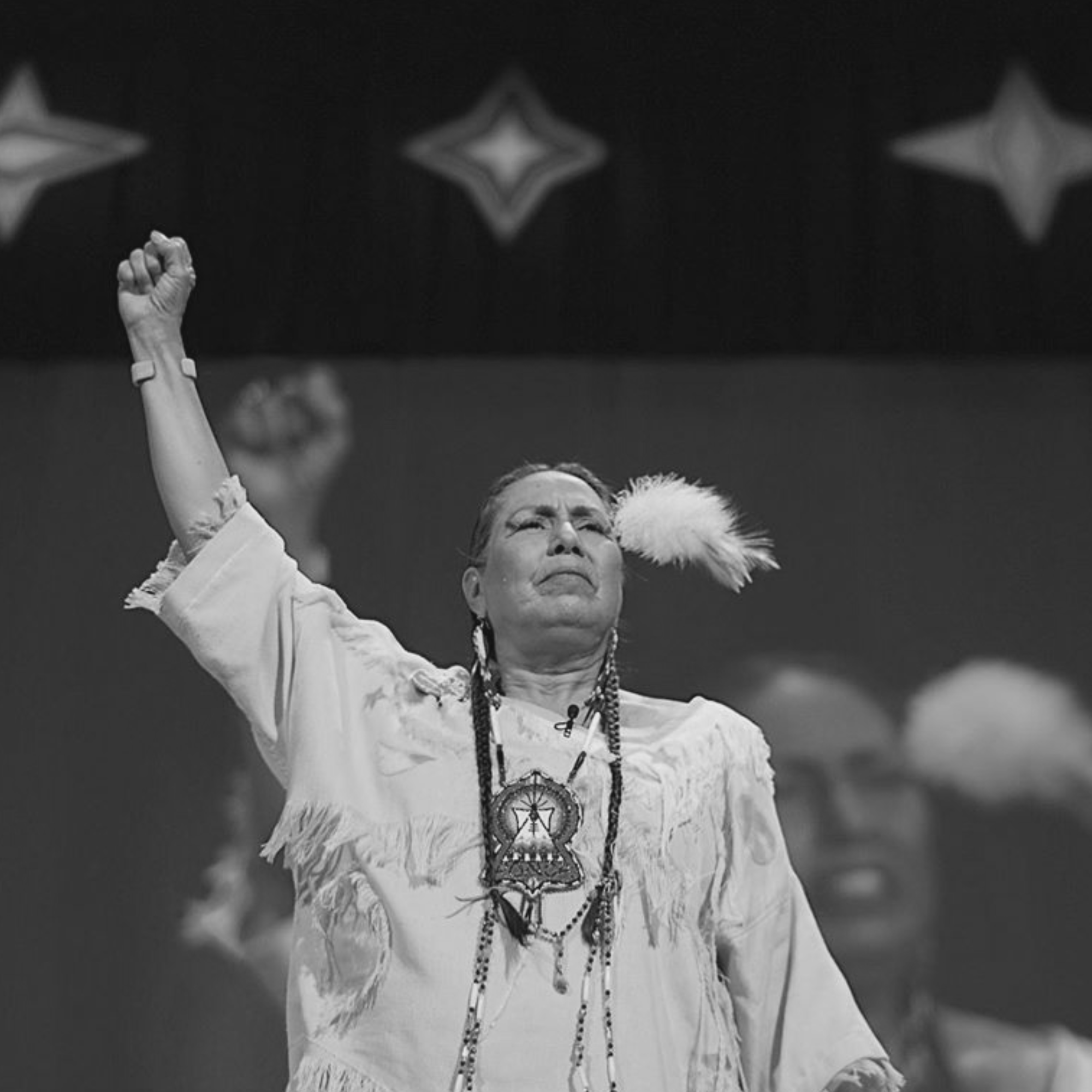
Casey Camp-Horinek
Ponca Nation, Environmental Ambassador
United States
-
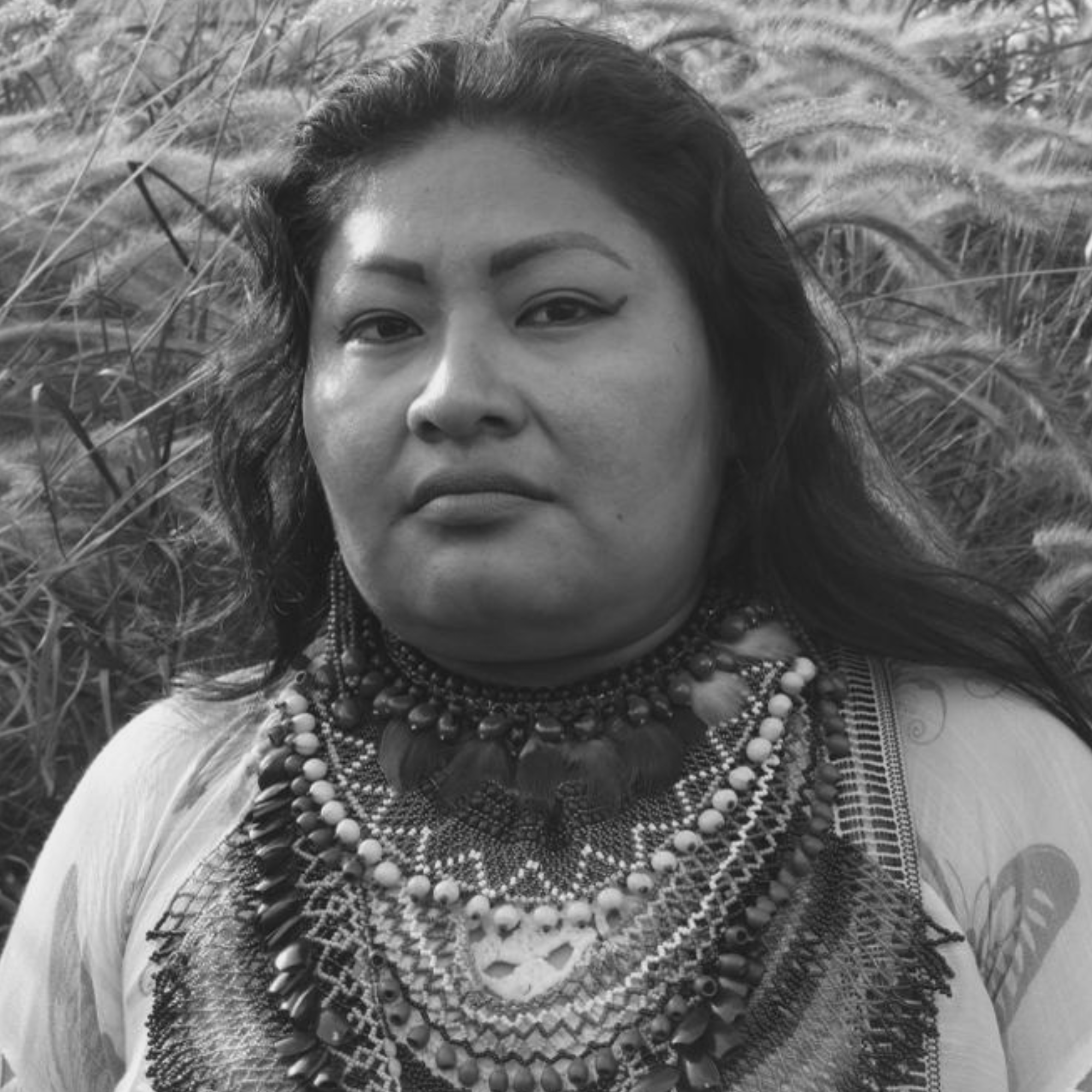
Olivia Bisa
Chapra Nation, President
Perú
-
Haneen Mahmoud Ali Hamed
MenaFem
Egypt
-

Omar Mohamed Elmawi
Africa Movement of Movements
Kenya
-
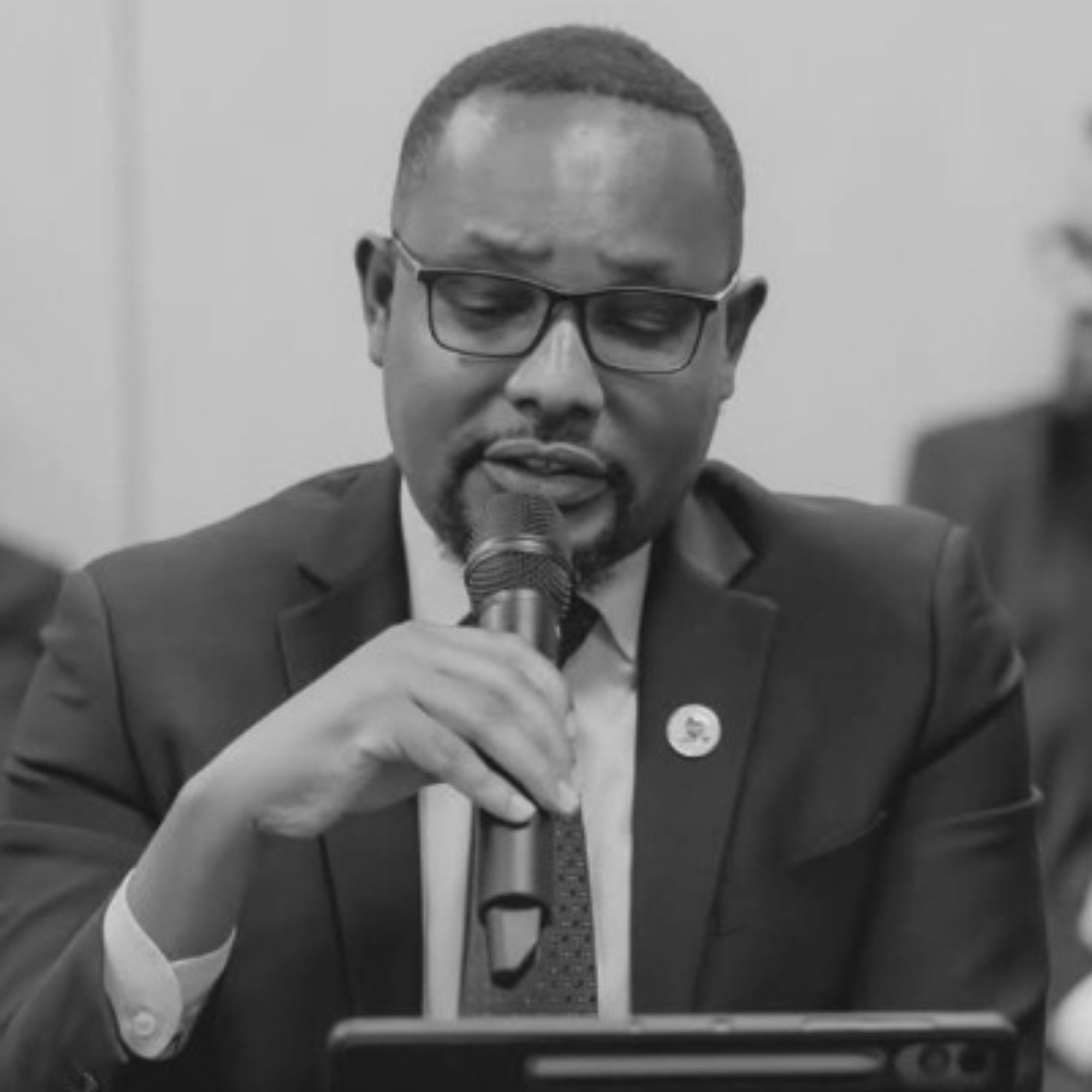
Martin Maseghe
Kenya Council of Governors
Kenya
-

Genevieve Gabriel Riccoboni
WILPF
United States
-

Marina Agortimevor
Africa Just Transition Network
Ghana
-

Angela Kaxuiana
COIAB
Brazil
-

Saroeun Soeung
NGO Forum in Cambodia
Cambodia
-

Felipe Pino
FIMA, Climate Governance focal point
Chile
-

Laura Sólveig Lefort Scheefer
Fossil Fuel Treaty Initiative, Young Icelandic Environmentalists, Nordic Youth Climate Alliance, Europe Advocacy Coordinator - Nordics, President, Co-Founder
Iceland
-
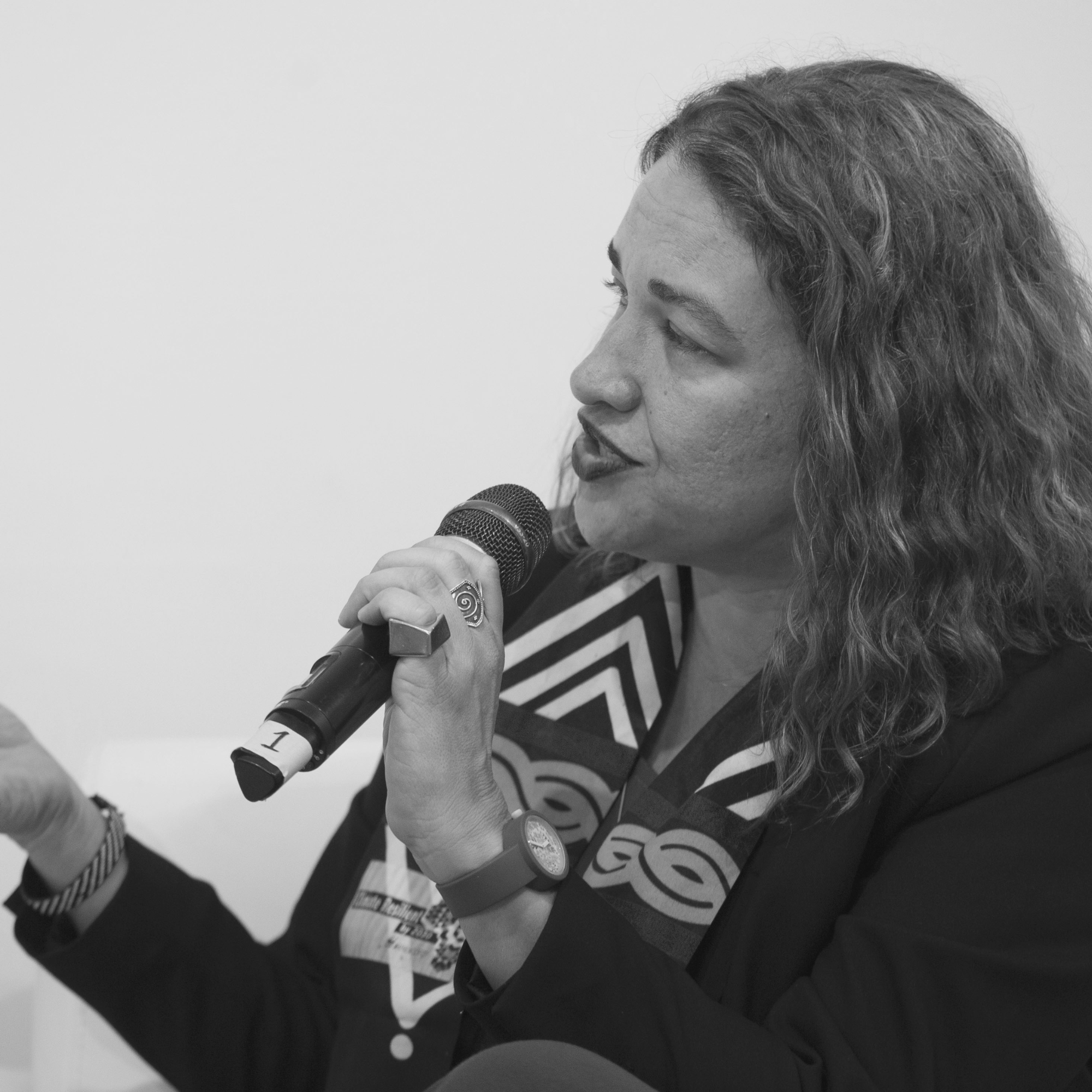
Fernanda Carvalho
WWF International, Head of Policy on Climate and Energy
Brazil
Connect with us for live updates