

COP16 on Biodiversity: down with fossil fuels, up with life!
COP16 on Biodiversity: Cali, ColombiaCompañerxs,
With the 16th meeting of the Conference of the Parties (COP) to the Convention on Biological Diversity (CBD) in Cali just days away, and as the twin crises of biodiversity loss and climate change intensify, it is crucial that the solutions put forward directly confront the destructive force driving both: the fossil fuel industry.
The extraction of oil, gas and coal threatens the very fabric of life on Earth, putting our ecosystems, our climate, our cultures and our economies at risk. In biodiversity-rich regions of the Global South - from the Amazon to the Andes to the Himalayas - the survival of indigenous communities, the historic protectors of biodiversity, is severely threatened, endangering their existence as well as that of all generations, present and future.
To confront these intertwined crises, governments must rise to the challenge, taking a cue from the tireless resistance and advocacy efforts of indigenous nationalities and civil society to stop the onslaught of fossil fuel companies. The Fossil Fuel Non-Proliferation Treaty offers this bold and necessary framework to stop the exploitation of fossil fuels and move towards a just and sustainable future.
Despite the clear links between fossil fuel extraction, biodiversity loss and the violation of indigenous peoples' rights, fossil fuels have not featured prominently in the CBD negotiations. However, Colombia, the host country of this COP and champion of the pioneering proposal of the Fossil Fuel Non-Proliferation Treaty, has explicitly connected the climate change and biodiversity agendas. This makes COP16 a decisive moment to open a new front in the fight to phase out fossil fuels and redefine our relationship with nature, transforming it from one of exploitation to one of repair and regeneration.
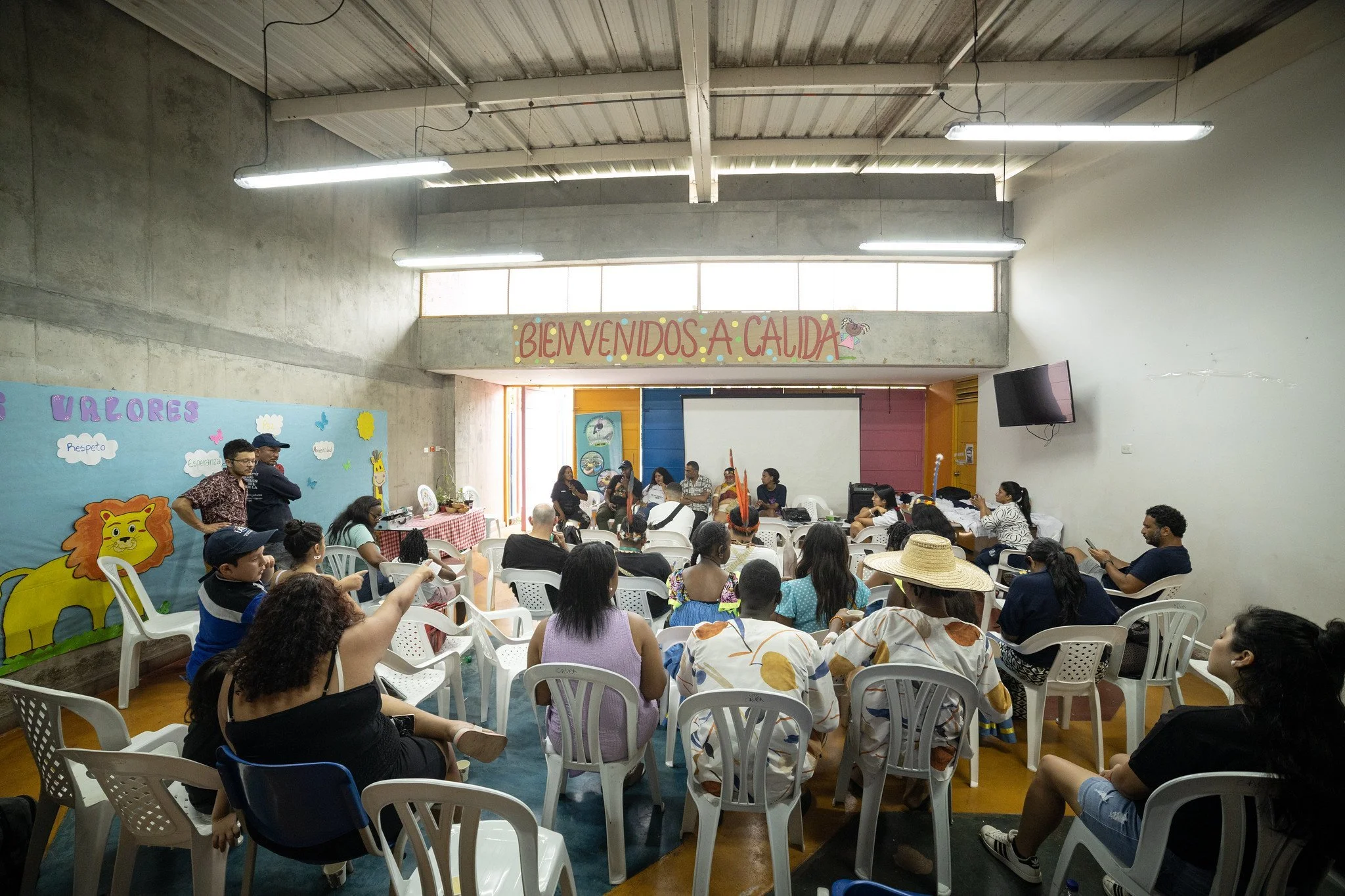
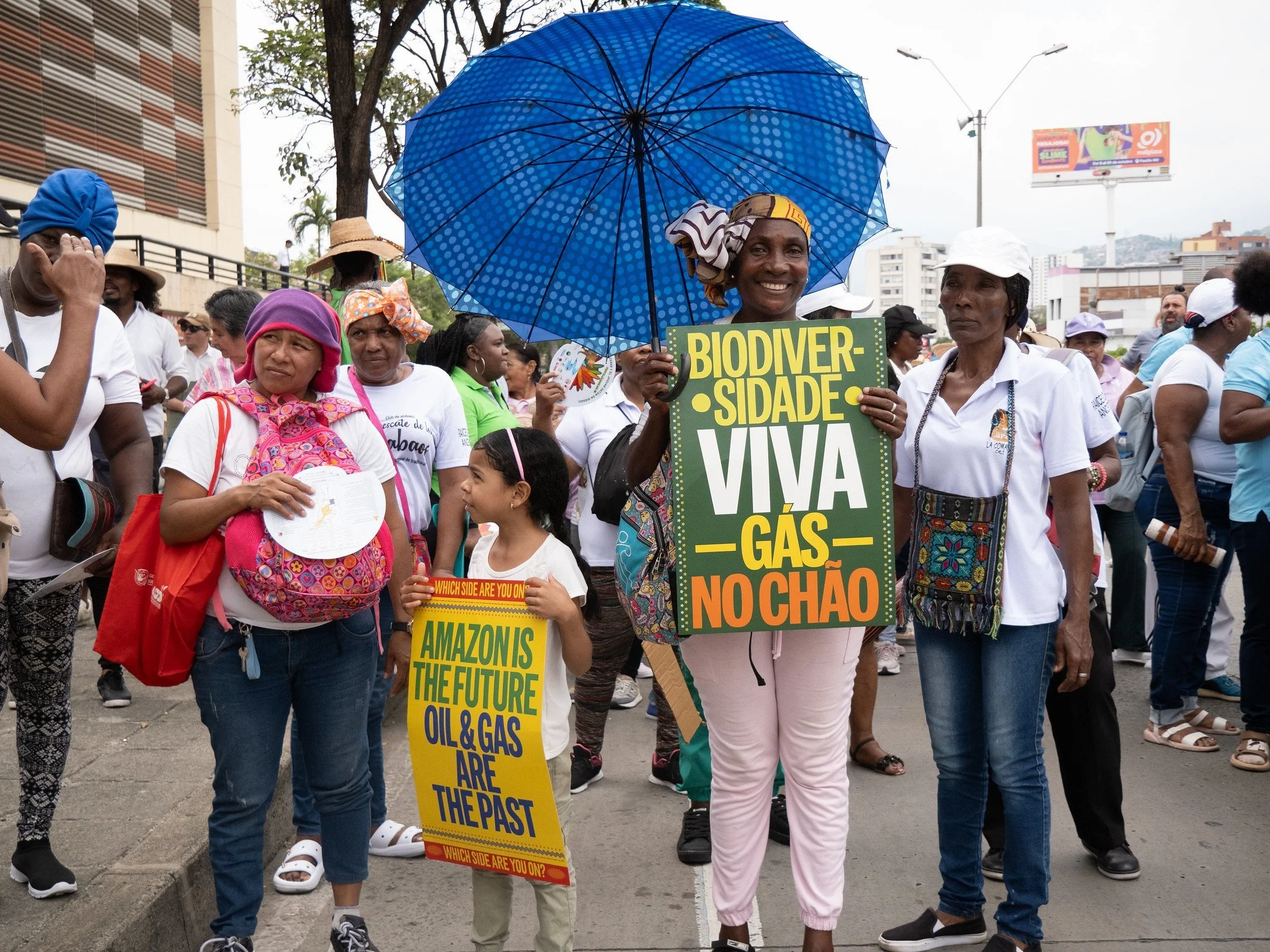
With the strength and joy of united resistance, we will organise several events during COP16 to reflect this need for vital change. From strengthening South-South alliances in the fight against extractivisms, to amplifying voices directly affected by this destruction, we come together to forge a common path.
These meetings remind us that the battle for the future of our planet is not just about reducing emissions, but about preserving cultures, ensuring justice and building a global movement that prioritises life over profit.
Join us, so that COP16 will be a turning point where we commit; Together, for a fossil free world!
Andrés Gómez
Latin American Lead for the Fossil Fuel Non-Proliferation Treaty

Amazonia: Territory of Life, not a Sacrifice Zone
Declaration of the III Assembly “Amazon free of fossil fuels and all forms of extractivism”
Events at COP16View events hosted by or featuring the Fossil Fuel Non-Proliferation Treaty Initiative at COP28 in Cali. View past event recordings
-
Strengthening our south-south ties: Biocultural diversity in the fight against fossil extractivism in the Global South
The most biodiverse areas are also the most culturally rich, and both are under threat from the fossil fuel industry. Protecting this biocultural diversity is key to our survival. It's time to link these regions and build a stronger global resistance against extractivism, creating fossil-free zones across Latin America and Africa.
21 October 2024- 10:15 - 11.00 am
Biblioteca Departamental Jorge Garcés Borrero - Auditorio Jorge Isaacs -
Life under the Fossil Fuel Threat
While fossil fuels do not feature in the CBD negotiations, there are clear links between fossil fuel extraction, biodiversity loss and the undermining of indigenous peoples’ rights in areas such as the Amazon. The Colombian government has chosen as the theme for COP16 the appropriate perspective of building “Peace with Nature” which explicitly links the climate crisis agenda with the CBD, making the conference a moment of opening of a new front in the fight to phase out fossil fuels, also seeking to protect biodiversity.
23 October 2024, 8:30 - 9:15 am
Universidad ECCI - Lobby Teatro - Piso 4, Av. 4 Nte. #13N-03 -
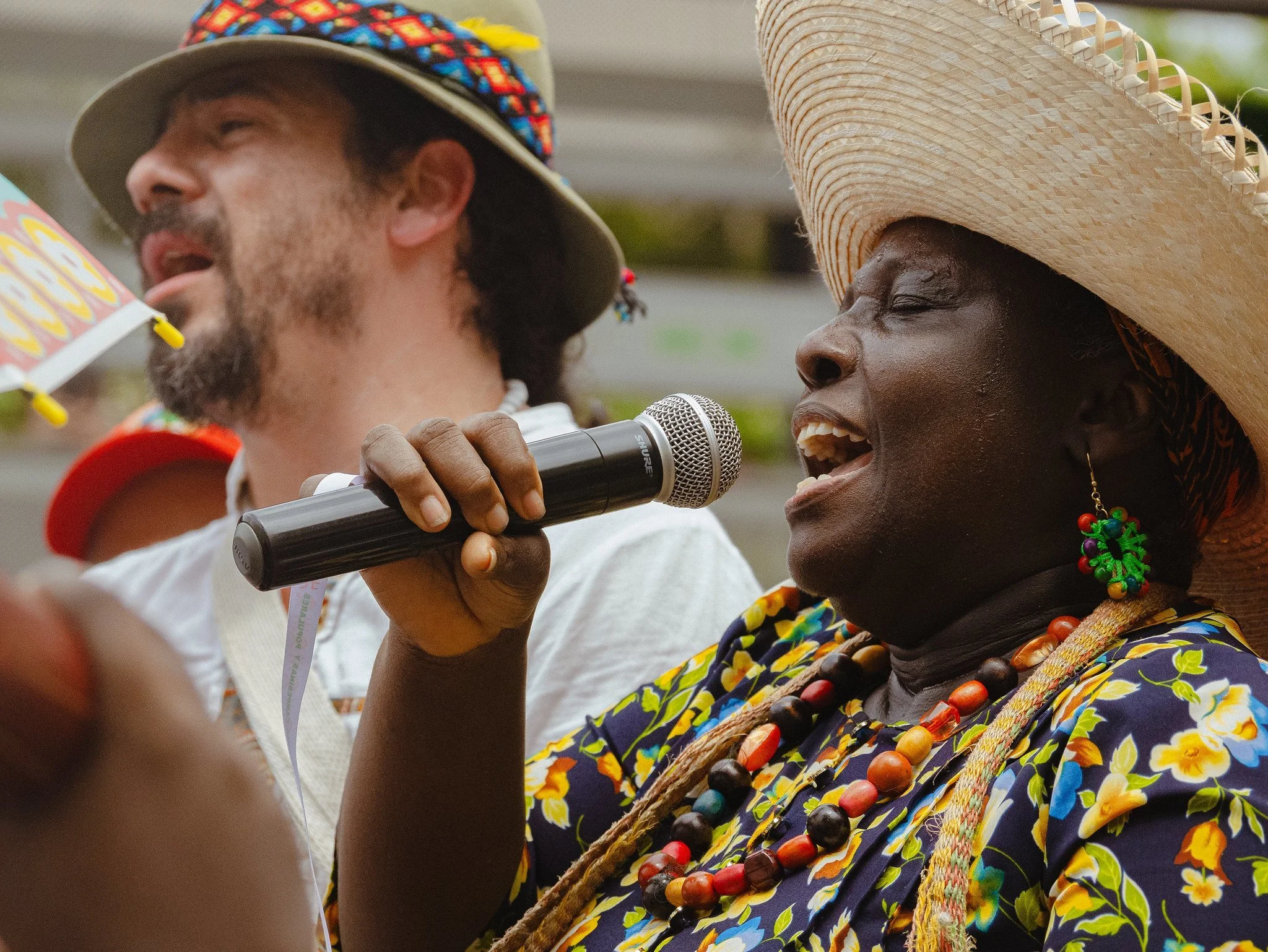
Rhythm and re-existence: down with fossil fuels, up with life!
Get ready for a night full of energy and Afro-Colombian music! We start at 8pm with a “Vichera conversation”, and then at 10pm there will be a salsa class and show. At midnight, the stage will light up with music from Heryb Bonilla and La Calle Manigua, who mix tropical and Afro-Caribbean rhythms and are winners of the 2023 Petronio Álvarez Festival. After that, we’ll dance until 3am to the best beats of DJ Prieto. At the same time, there will be an Afro market from 9pm to midnight!
25 de octubre, 8pm
La Over, Cra. 5 #21 - 58, COMUNA 3 -
An Afternoon to strengthen south-south ties in the face of fossil and cultural extractivism
The Llano Verde community will share their story of resistance and re-existence through murals, and to open a debate on how the most biodiverse and culturally rich areas are threatened by extractivism. Protecting this biocultural diversity is key to our survival. It is time to unite these regions and build a stronger global resistance against extractivism.
27 October, 2 - 6pm
Llano Verde, Comuna 15 -
Fossil Free Amazon Assembly
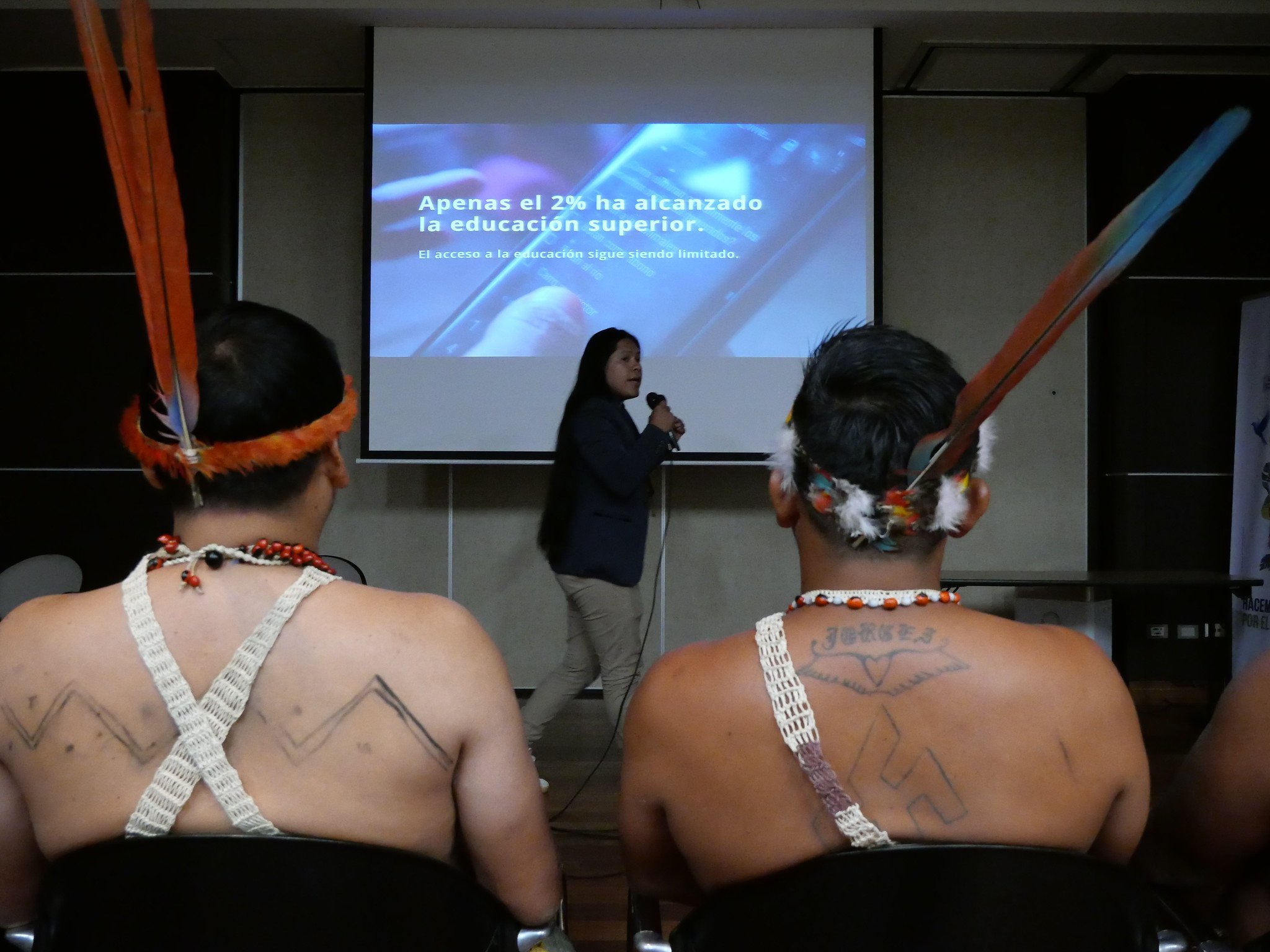
In the framework of the summit of presidents for the Amazon, a process of collective construction of a political proposal has been initiated that gathers demands and proposals from indigenous peoples with the objective of declaring the Amazon a territory free of fossil fuels, by and for the territories. The first assembly took place in Bolivia at FOSPA, and the second in Ecuador during the International Summit for Yasuní. The third assembly will take place in Cali on the 28th of October!
28 October, 9-1pm
By invitation / Venue to be confirmed -
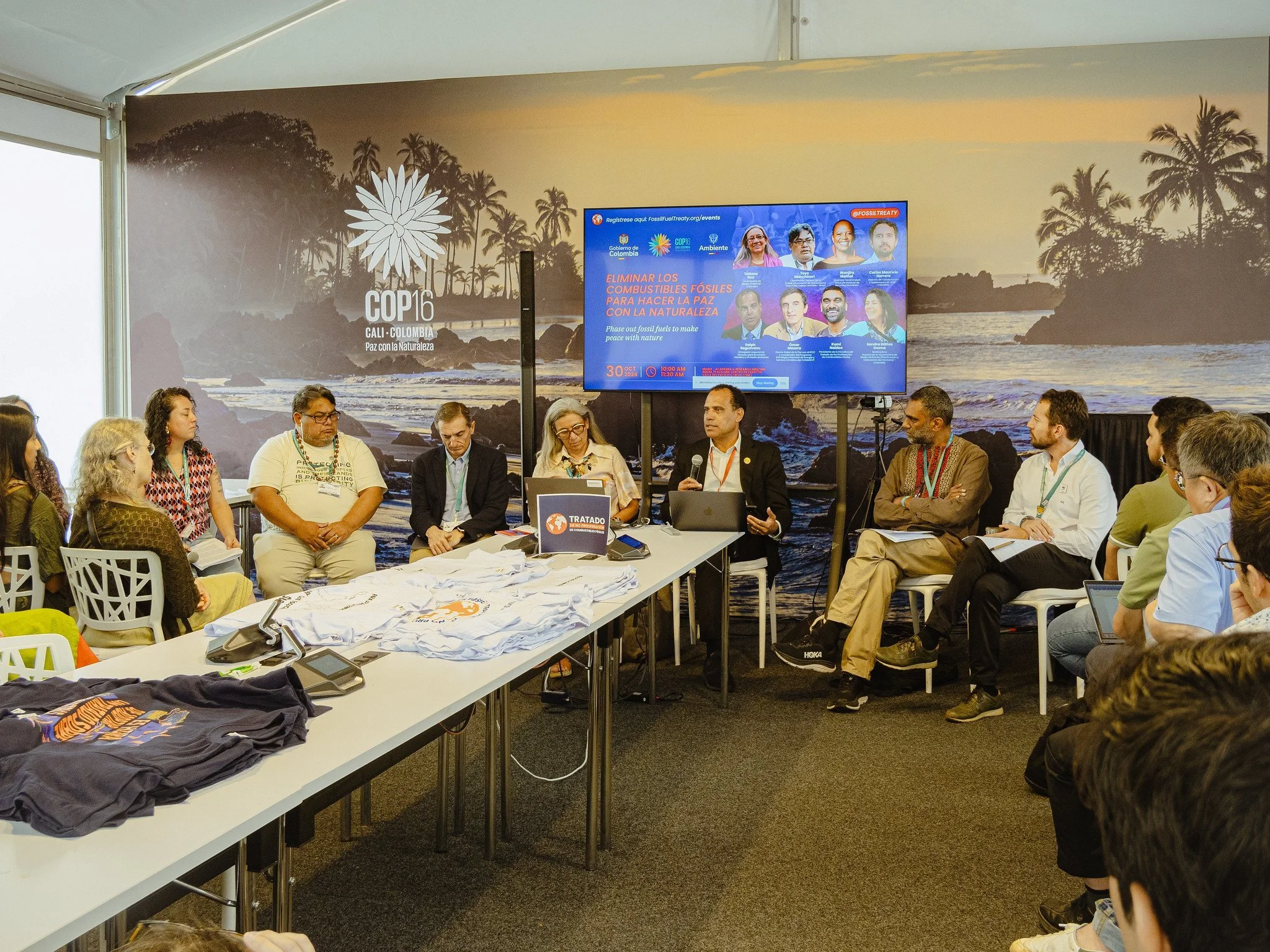
Phase out fossil fuels to make peace with nature
In 2022, Vanuatu became the first nation-state to call for a Fossil Fuel Non-Proliferation Treaty at the UN General Assembly, followed by Tuvalu at COP27. By 2024, 14 more nations have joined the call, supported by a wide range of actors, including the WHO, indigenous nations, cities like London and Paris, and various activists and leaders. Colombia, part of the Beyond Oil and Gas Alliance (BOGA), is now leading the fight against fossil fuels, directly linking climate action with biodiversity protection. At COP16, Colombia’s theme of "Peace with Nature" opens a new front in eliminating fossil fuels to protect biodiversity.
The event will be in English and Spanish with live interpretation available.
30 October, 10.00 - 11:30 am
Nuqui - Academia & Research meeting room, Plaza One, Centro de Eventos Valle Del Pacífico
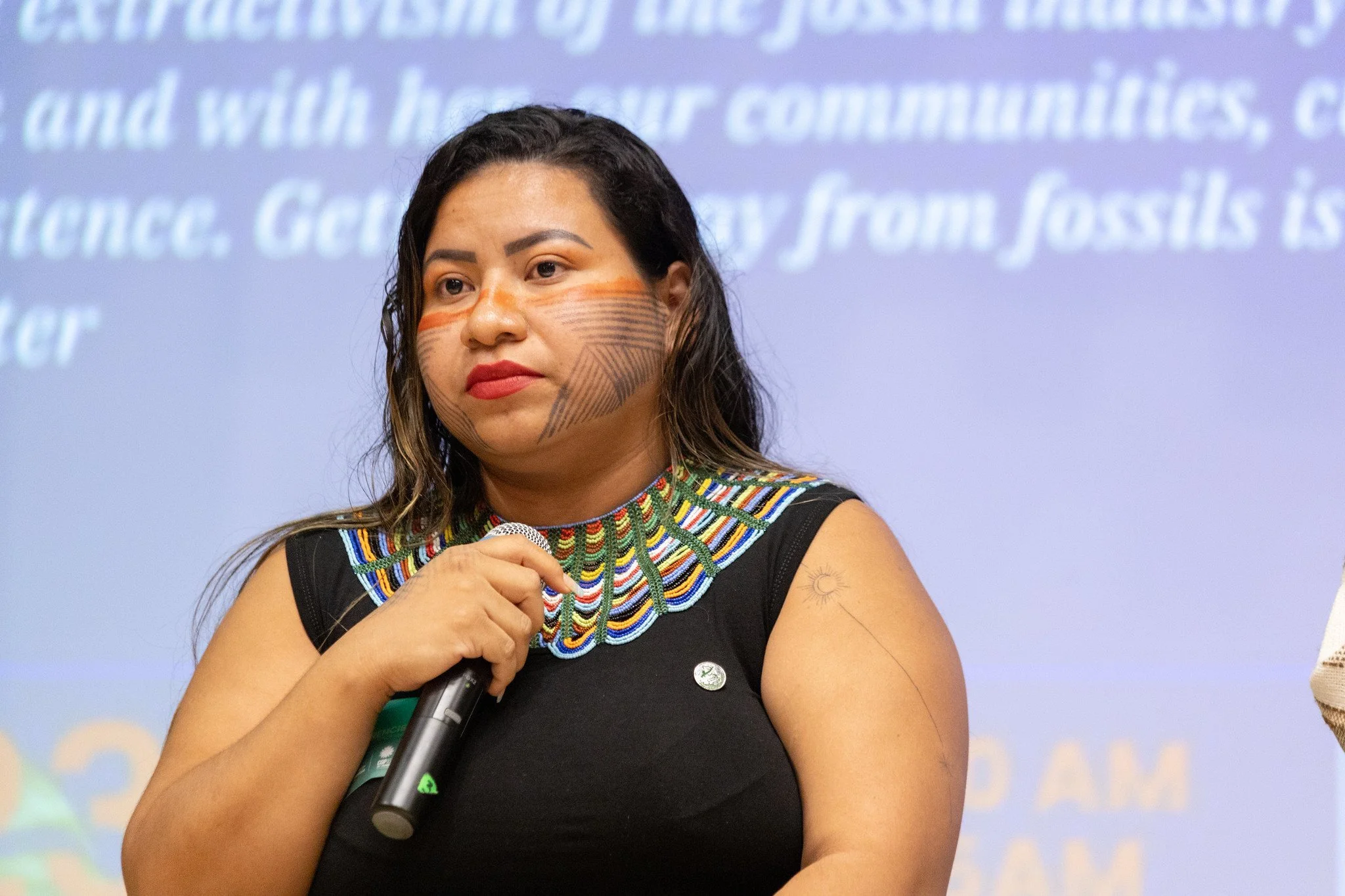
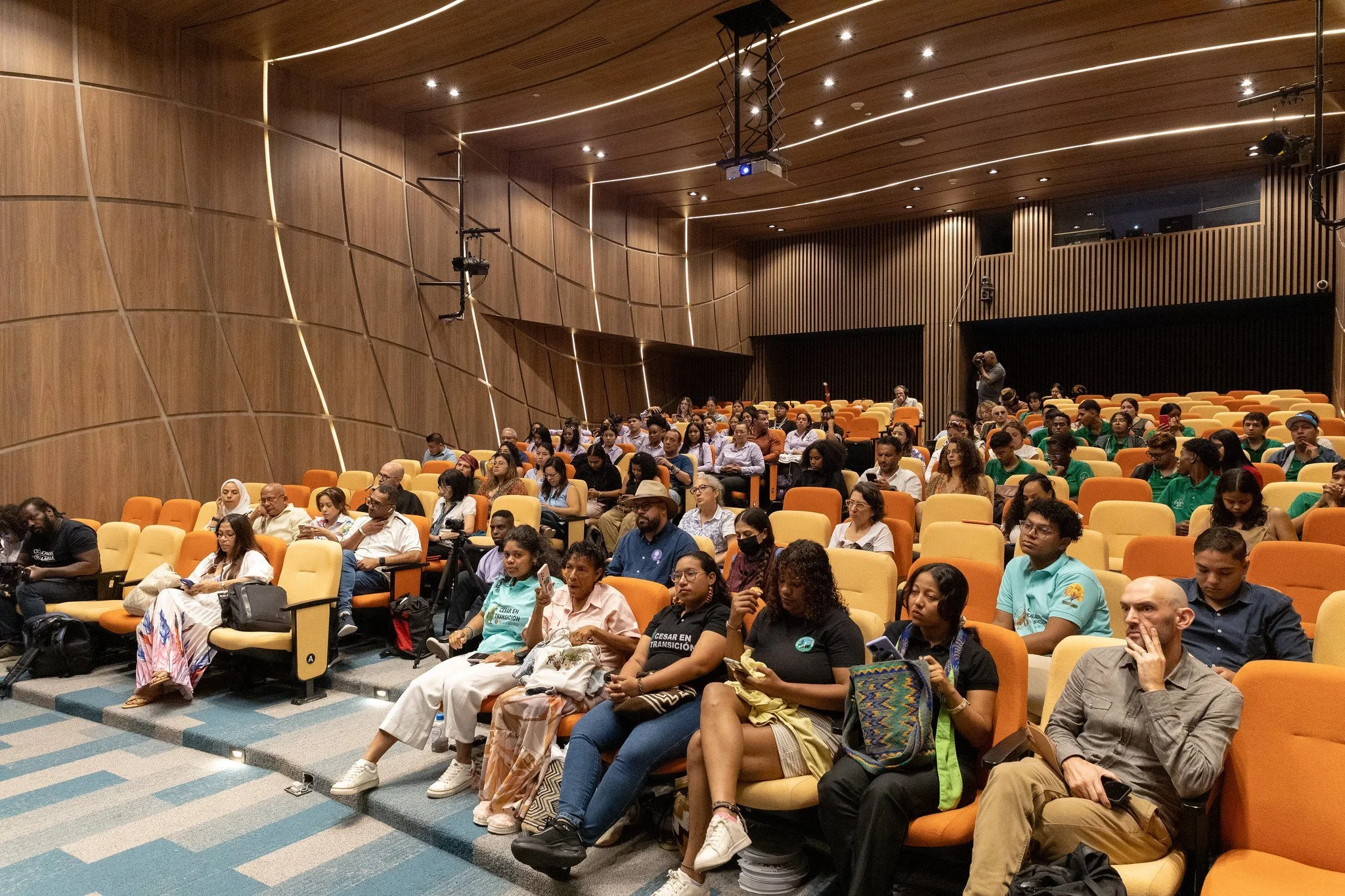
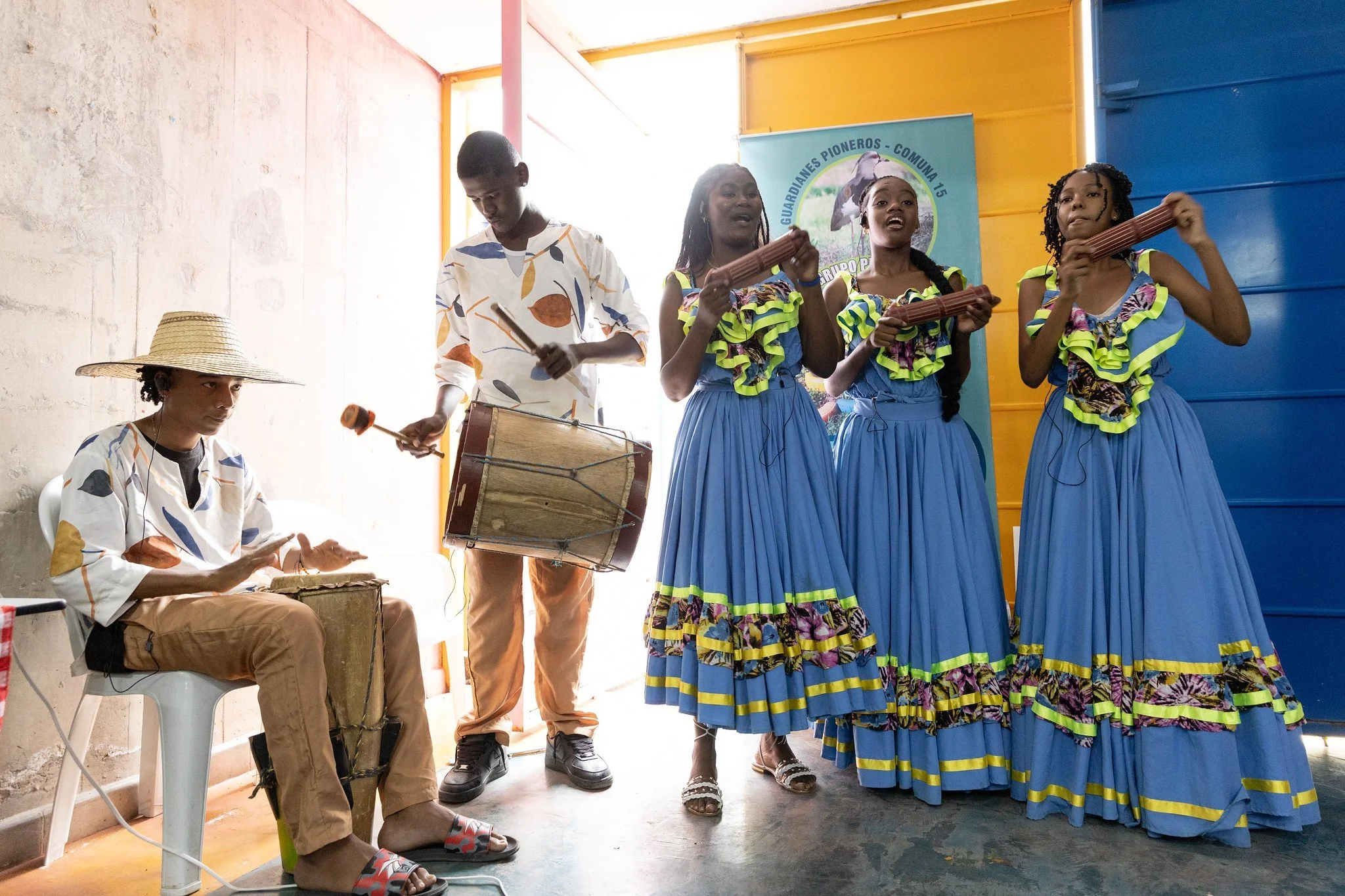
Photos from Cali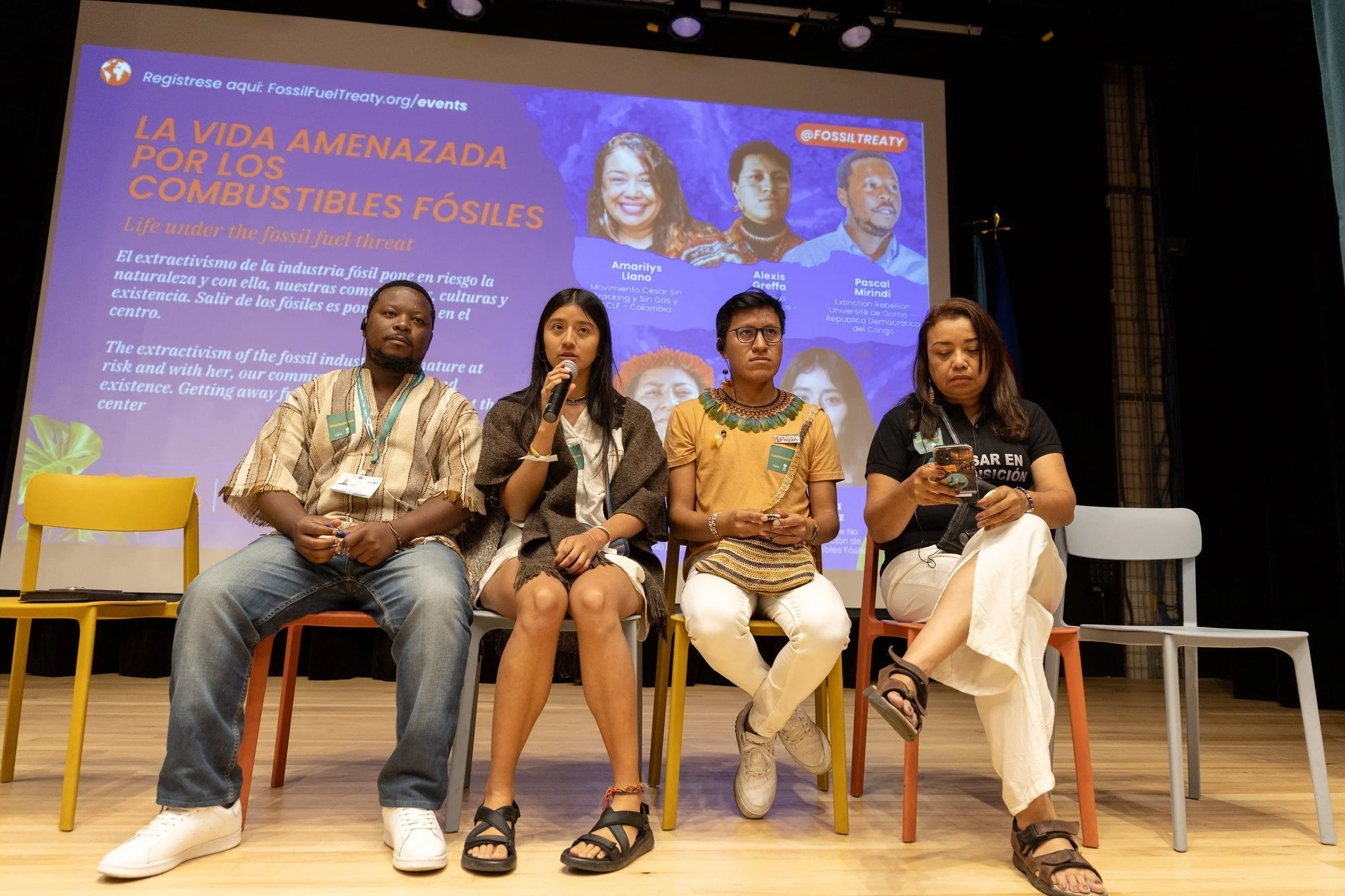
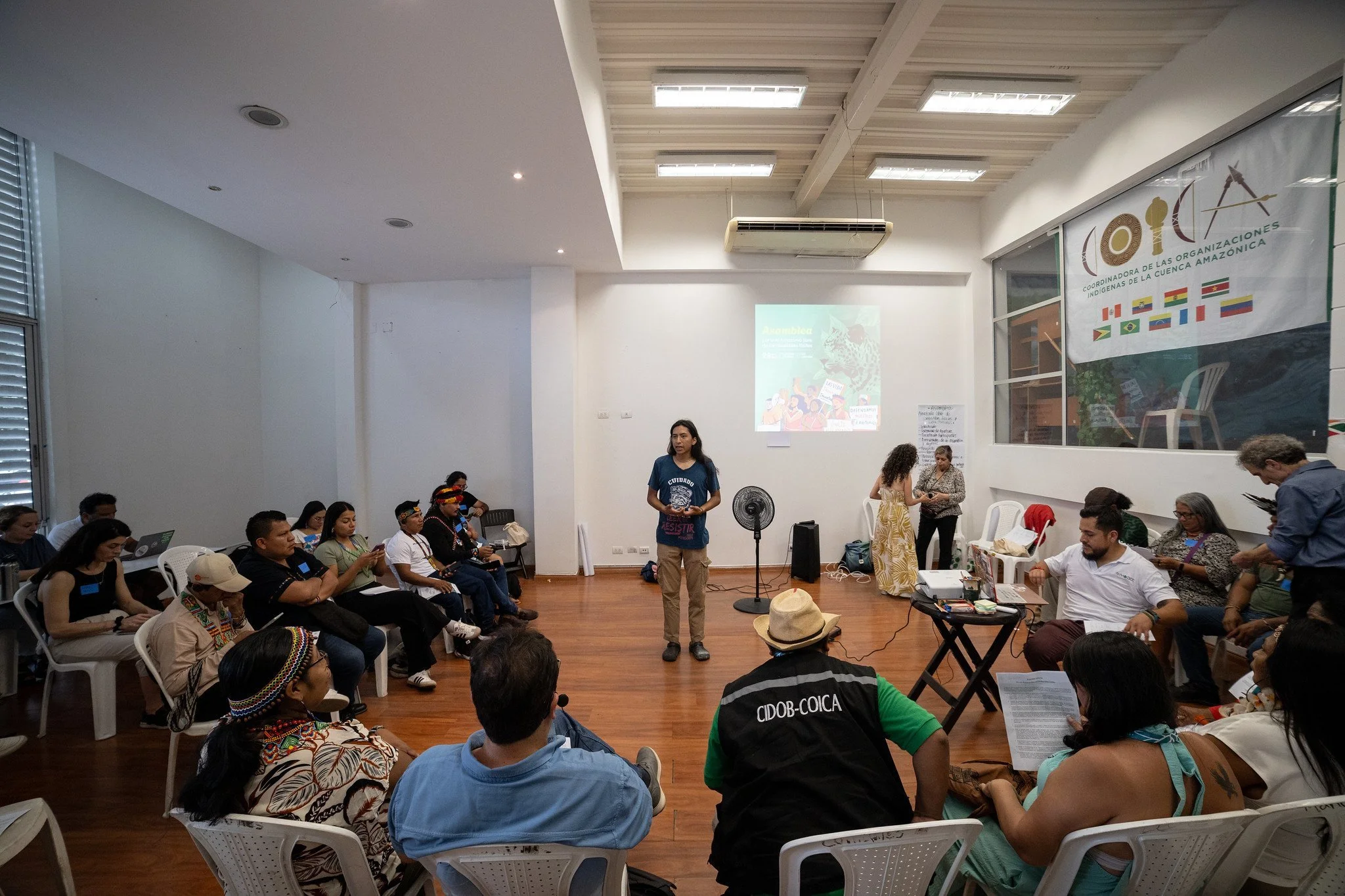

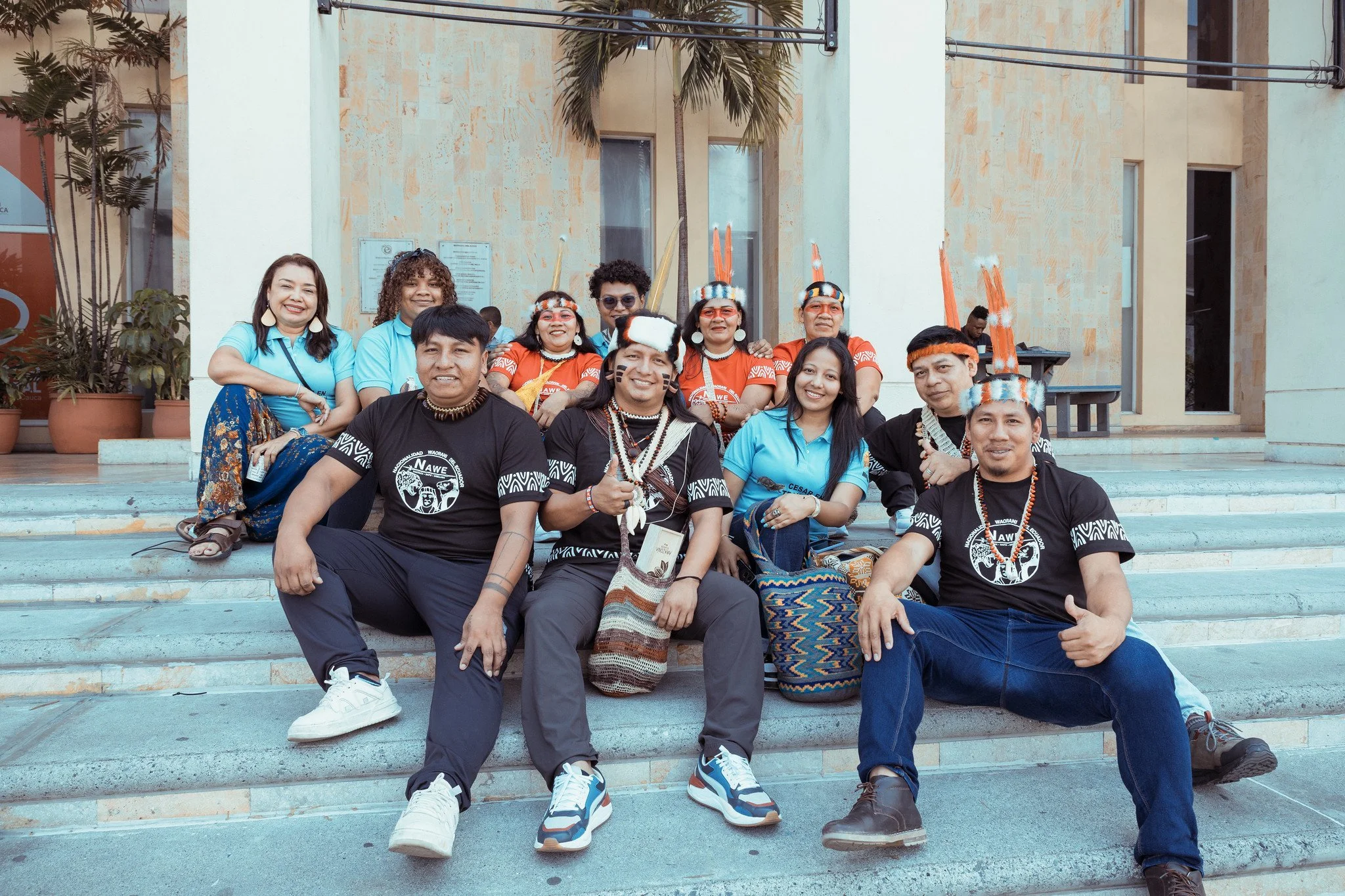
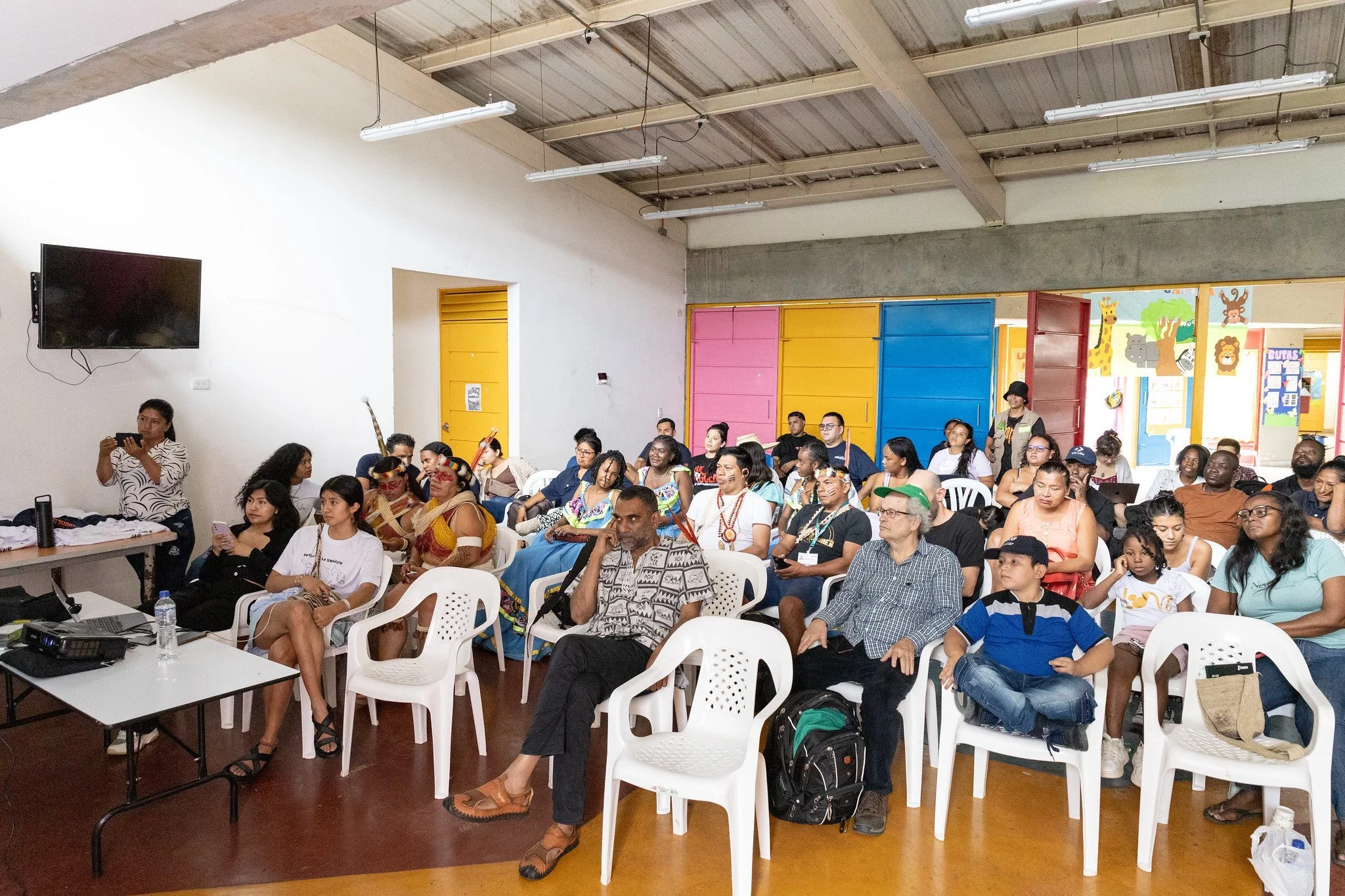
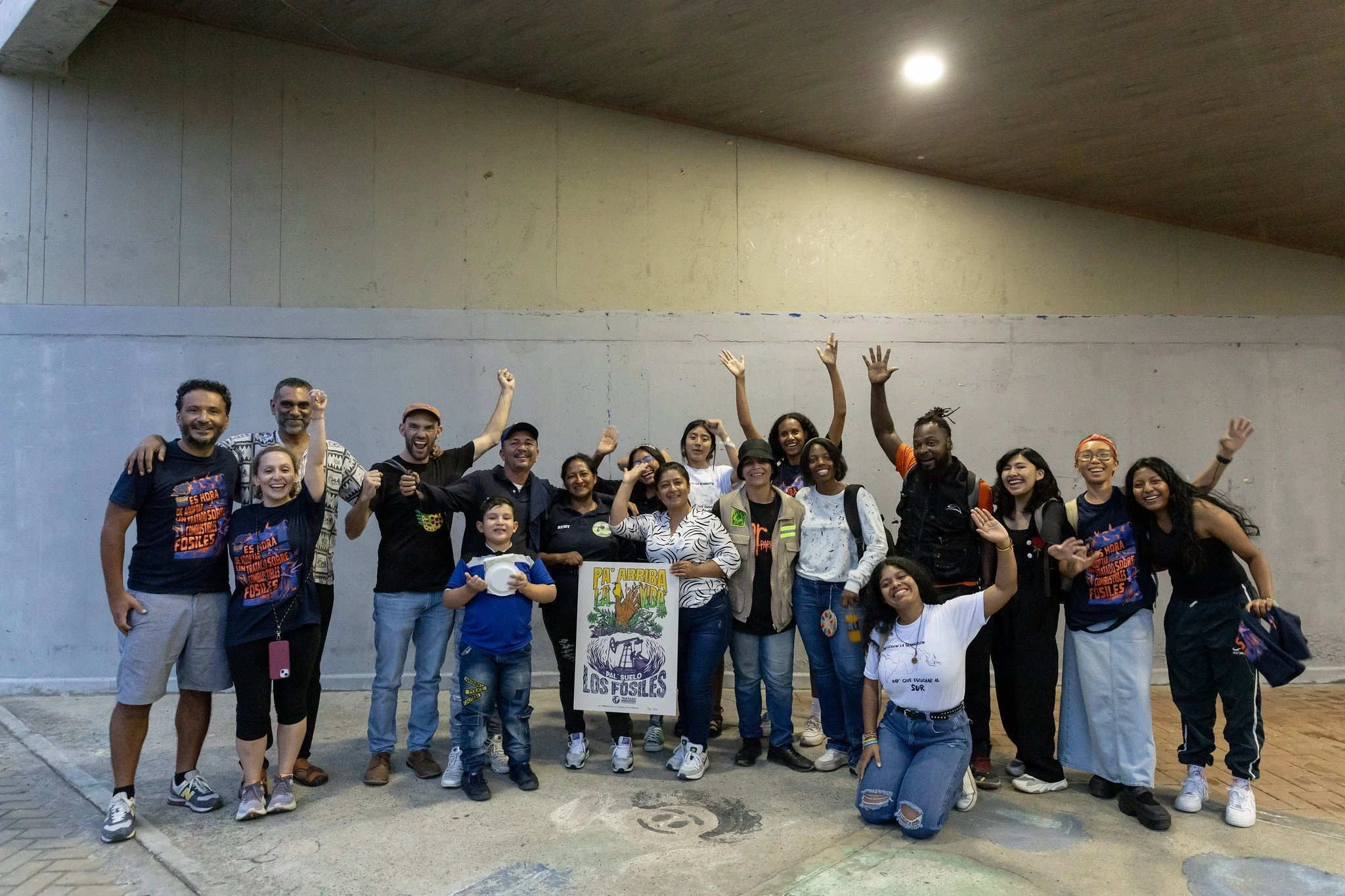
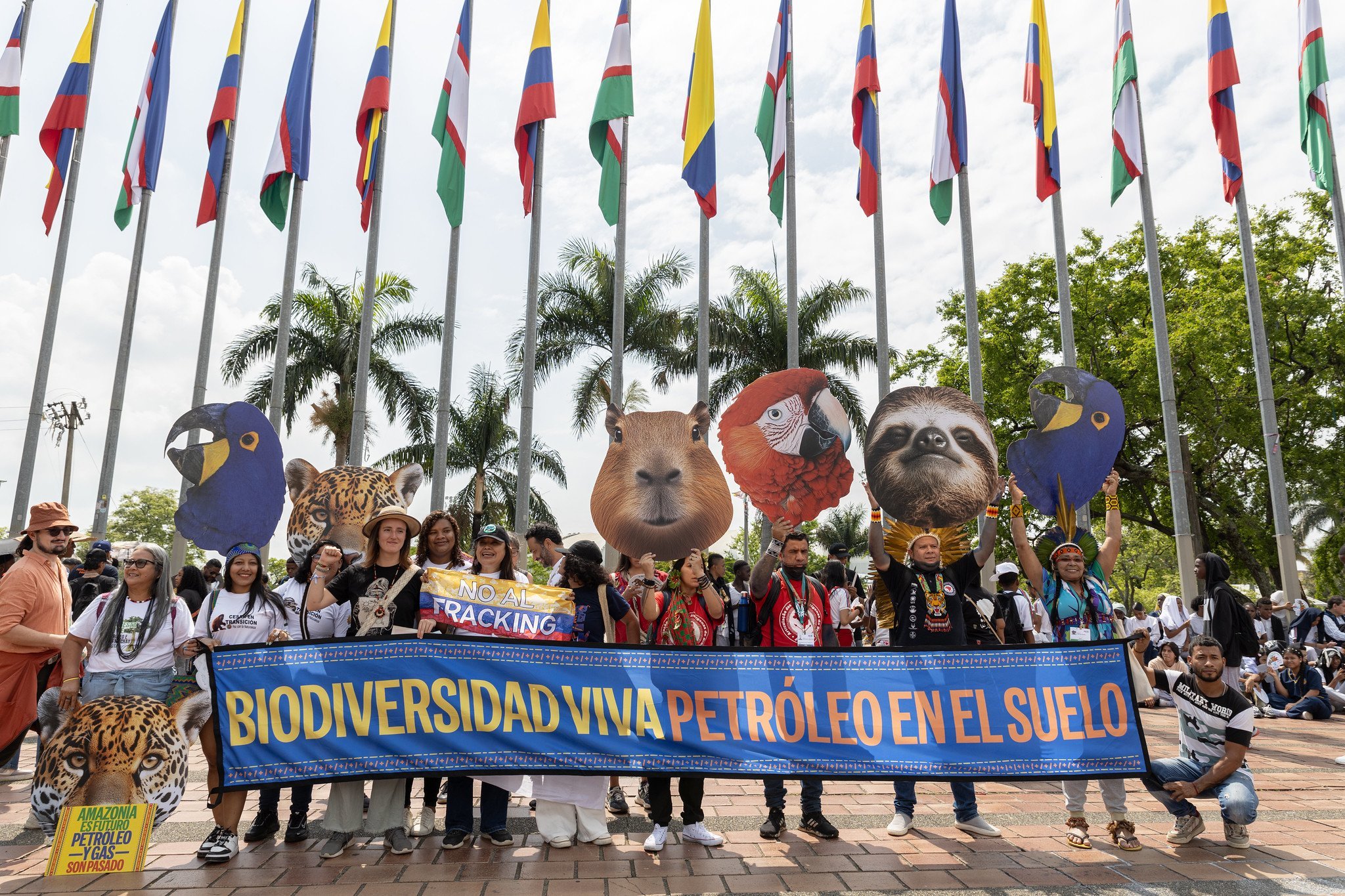
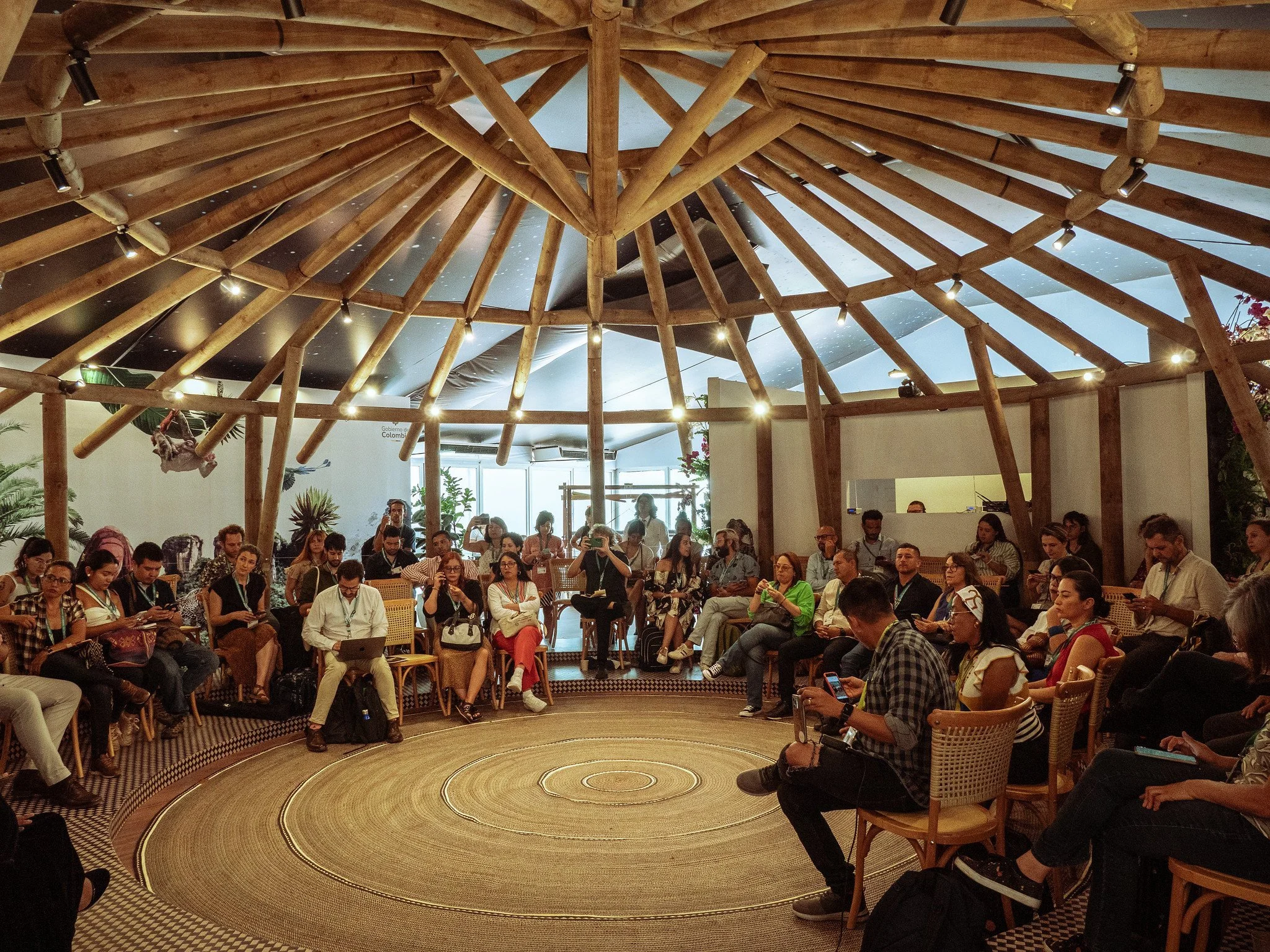
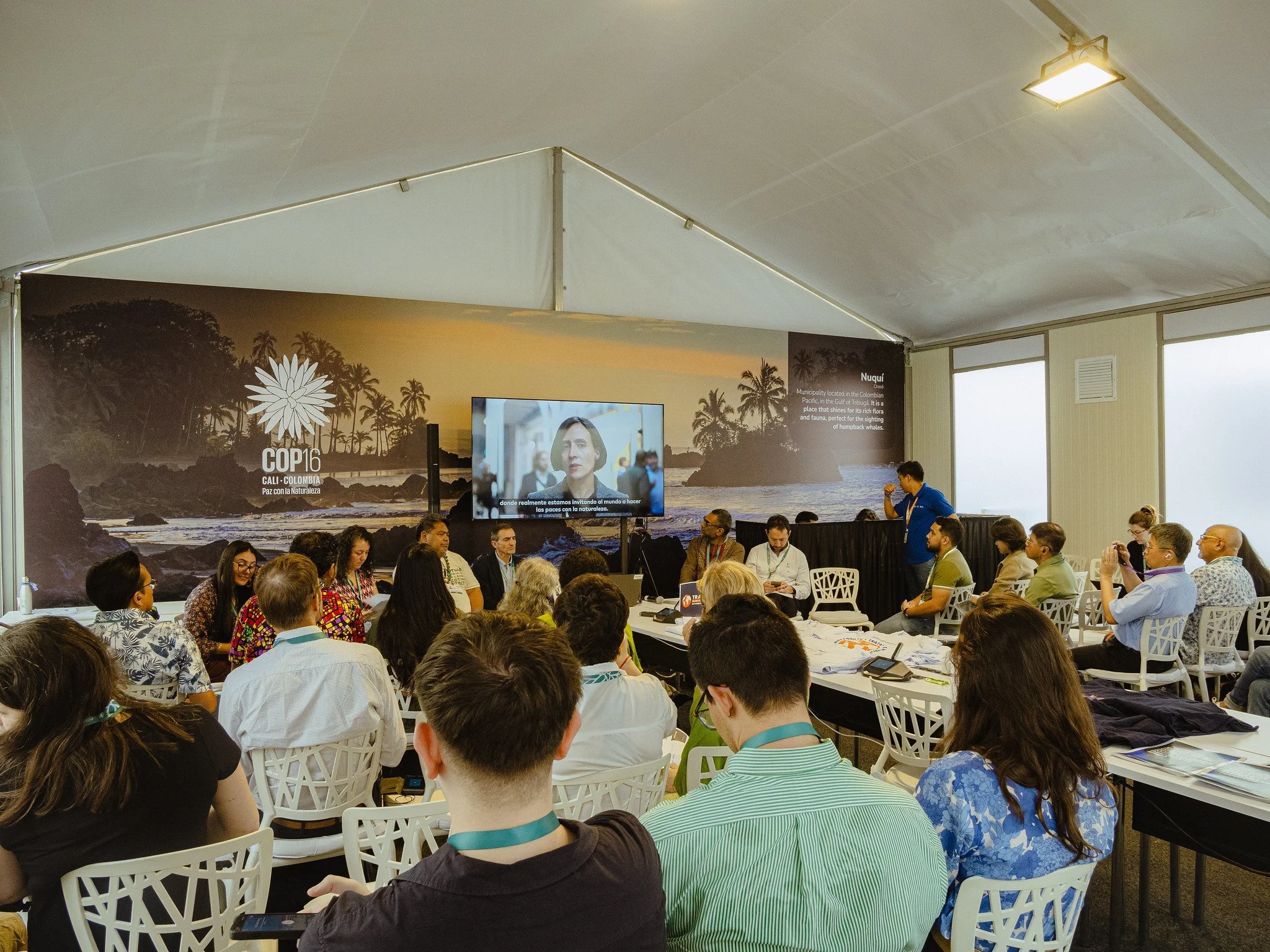
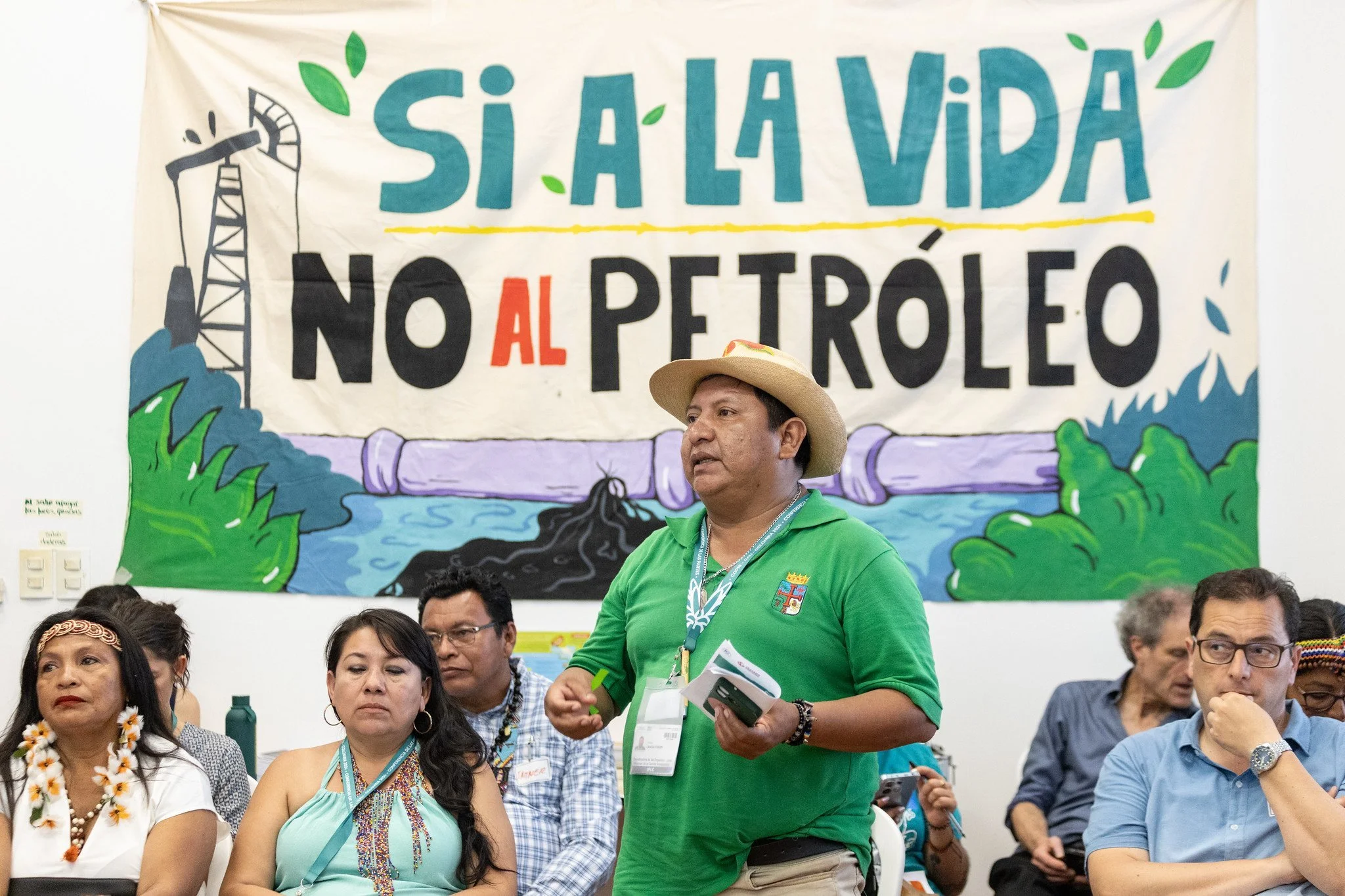
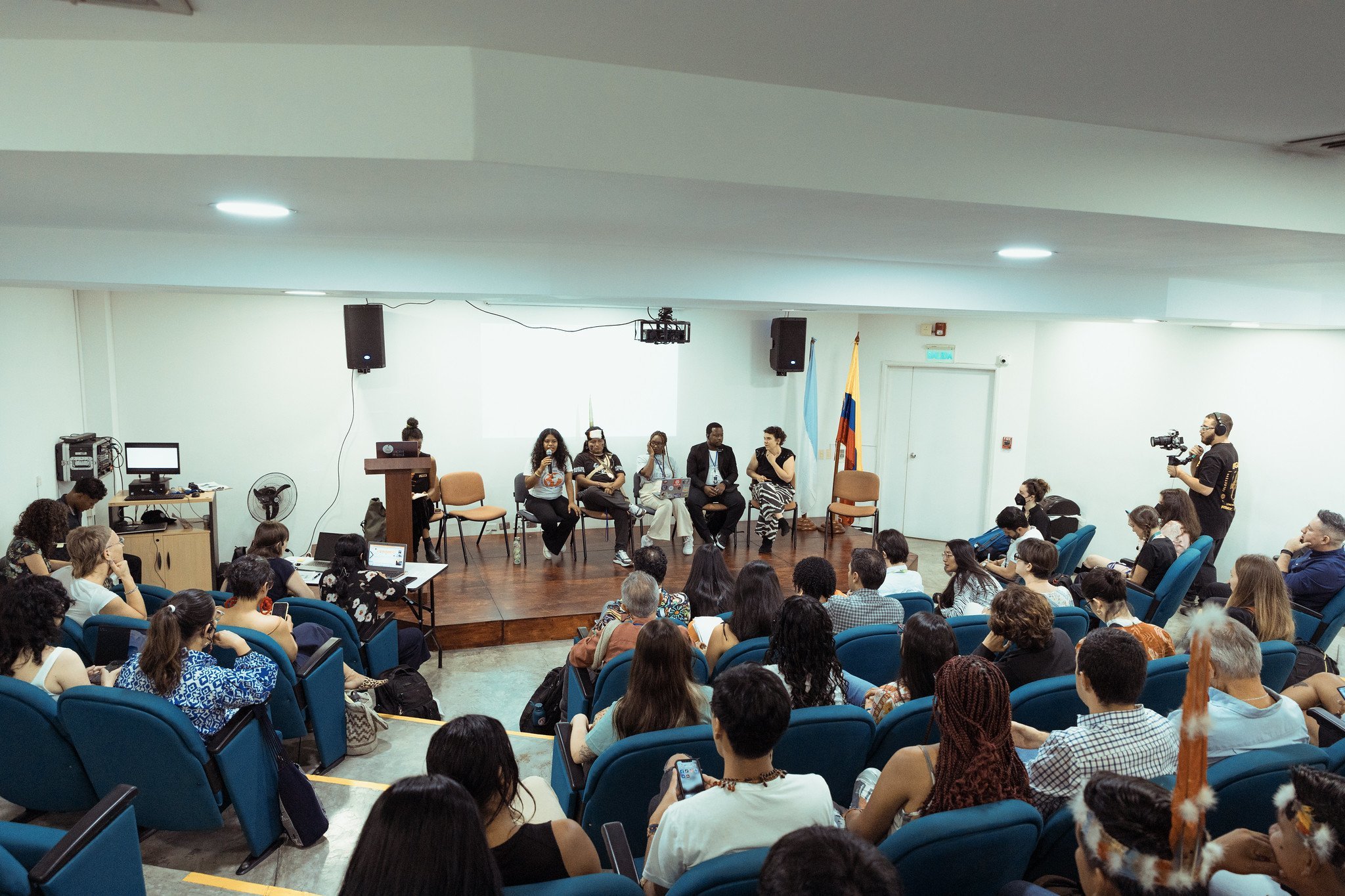
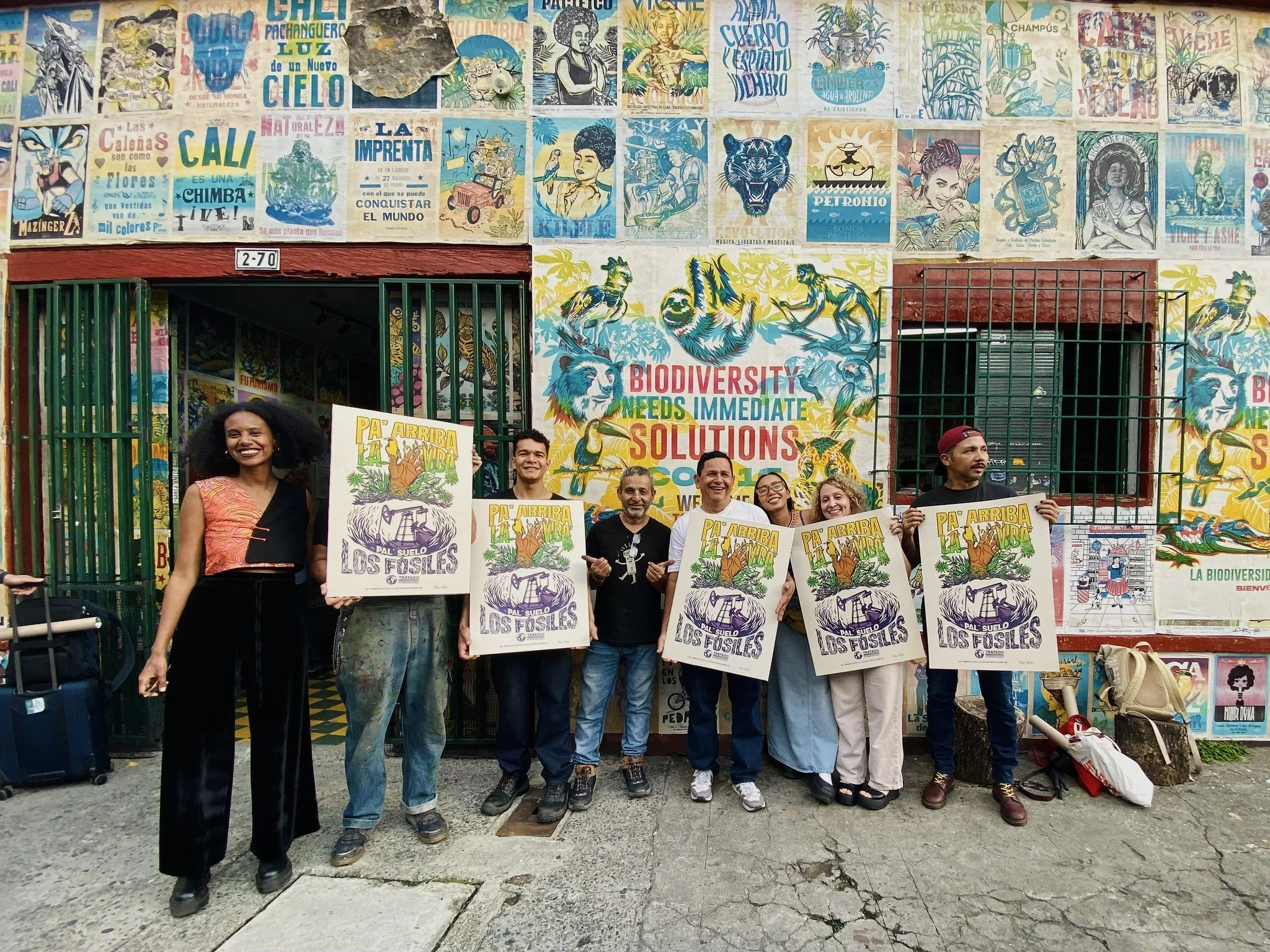
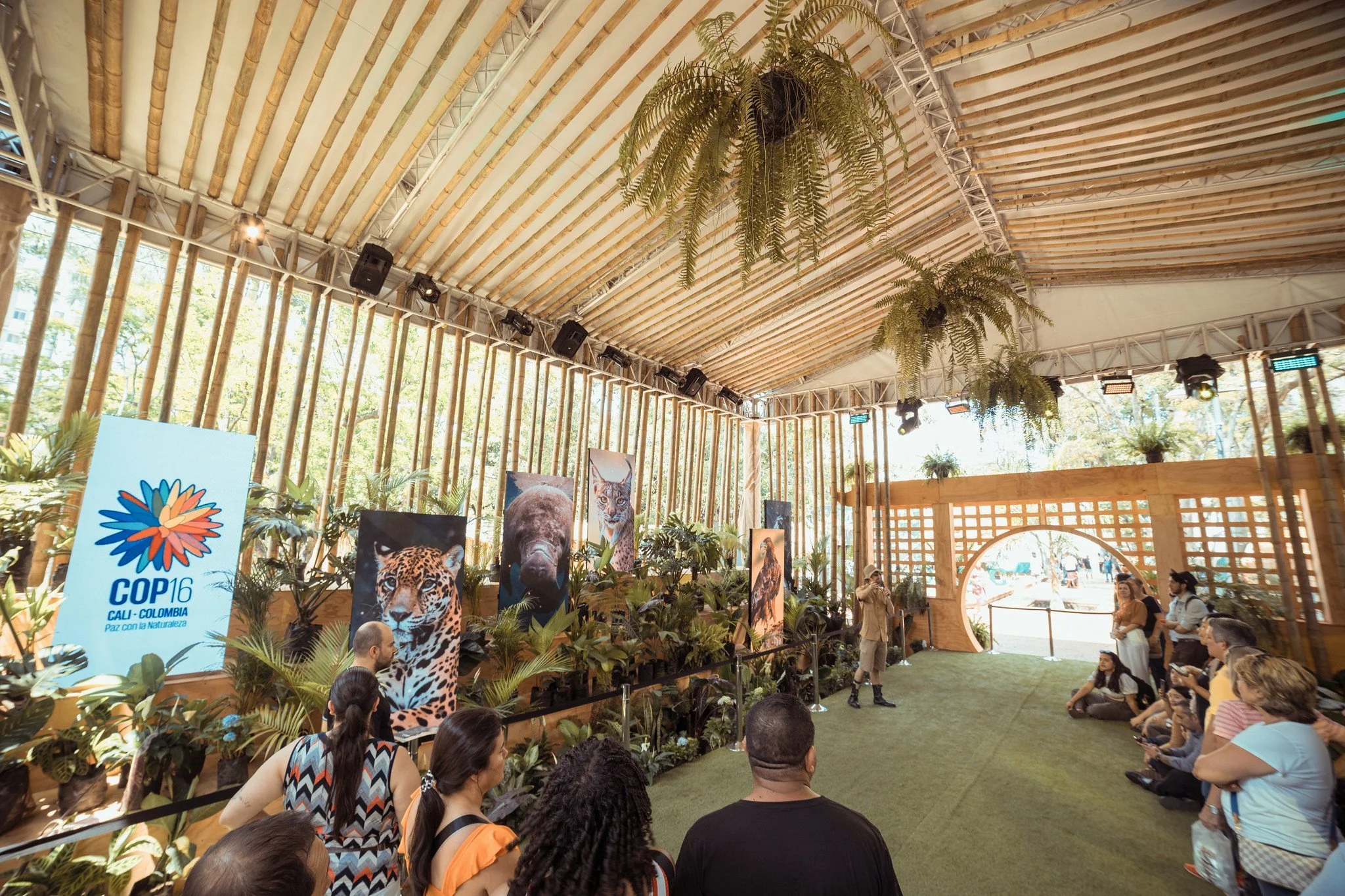
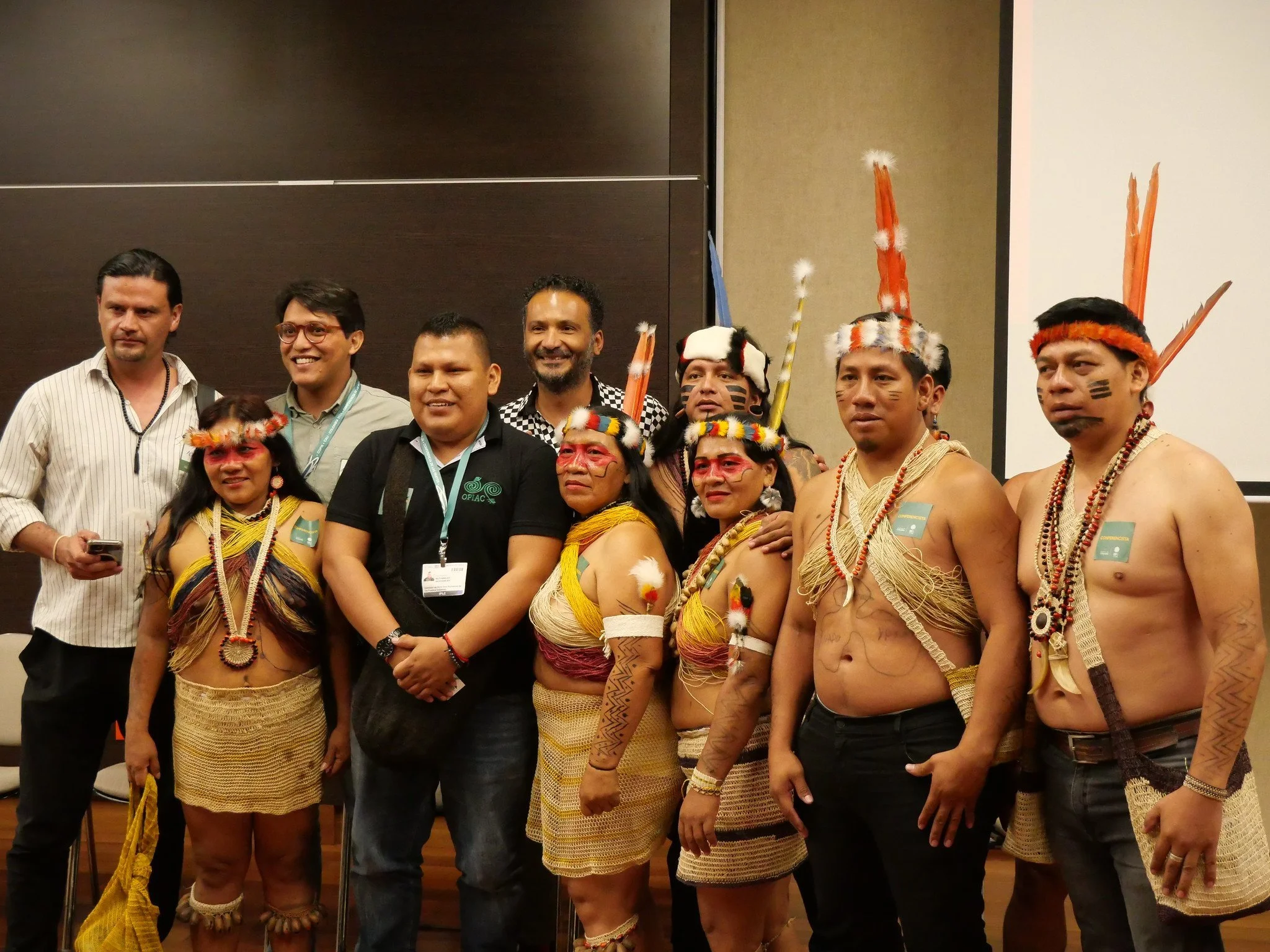
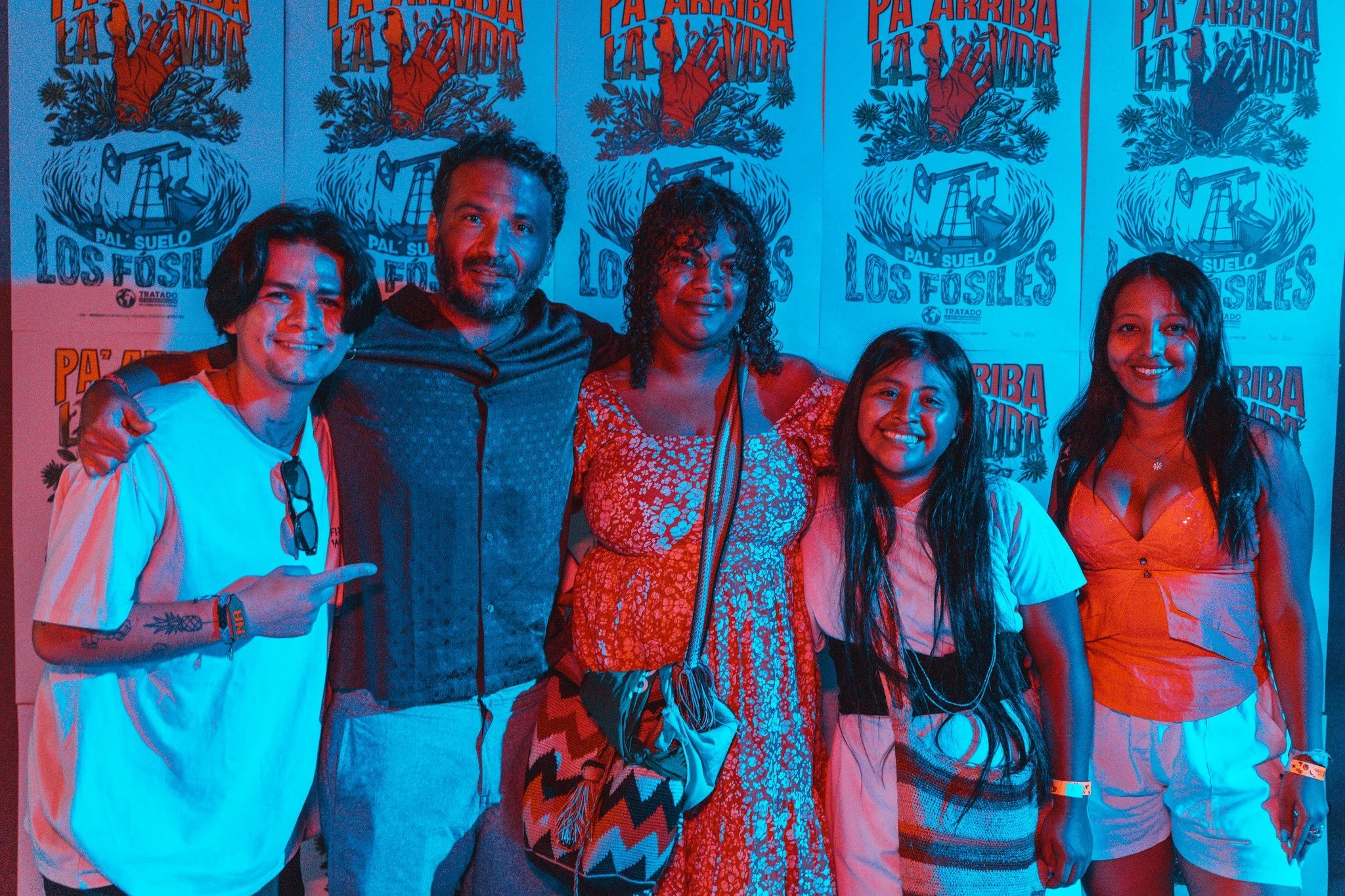
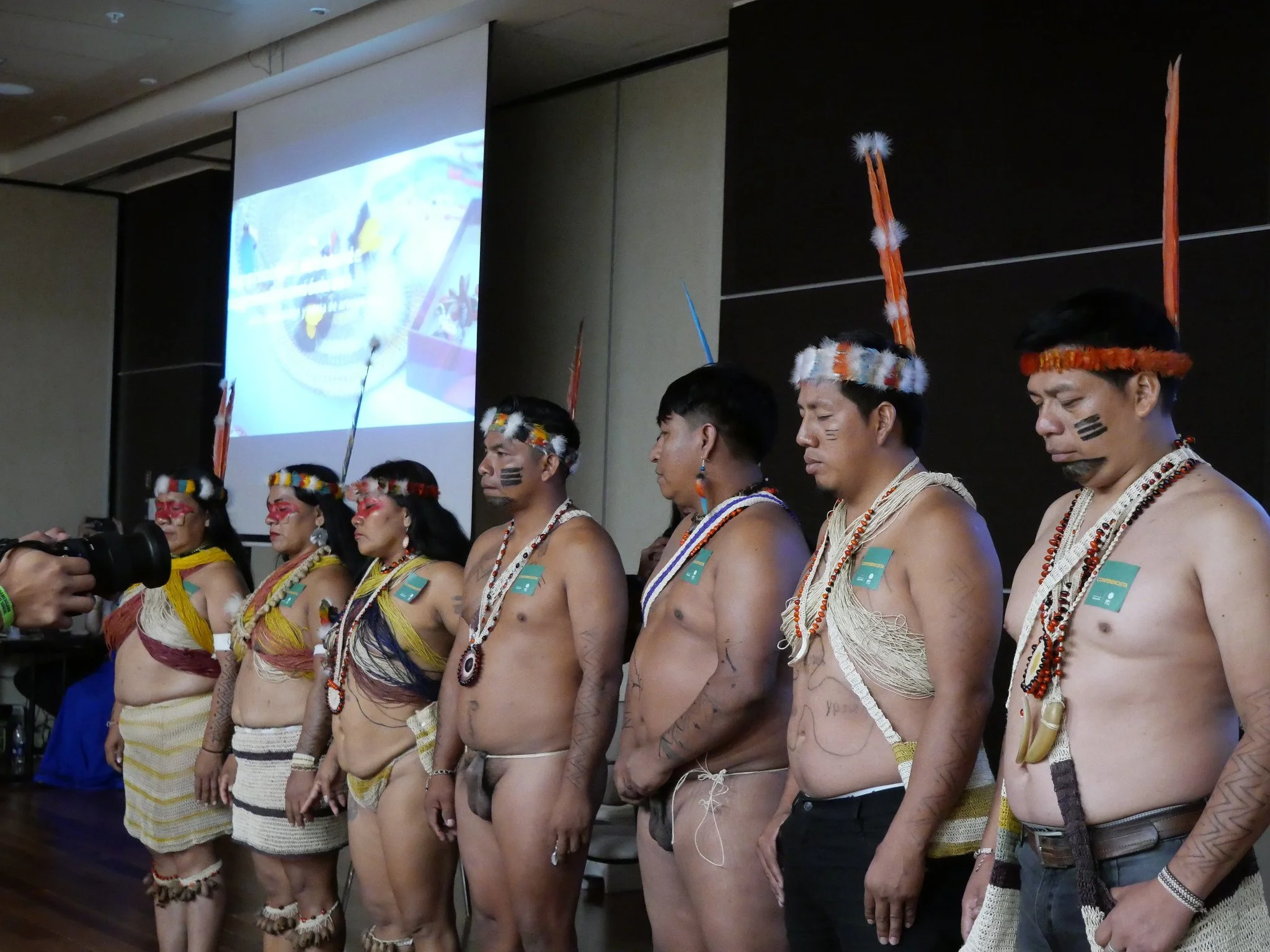
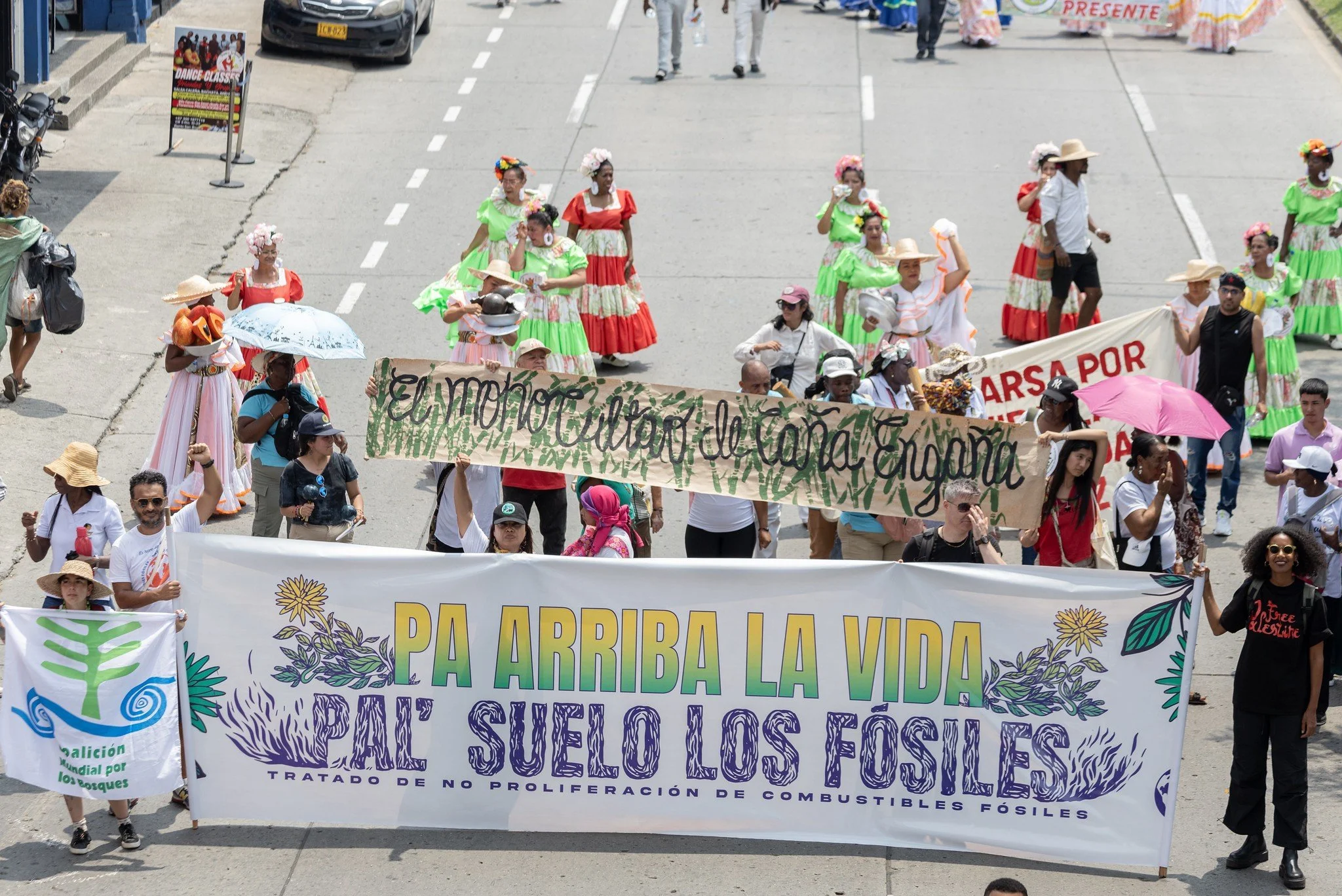
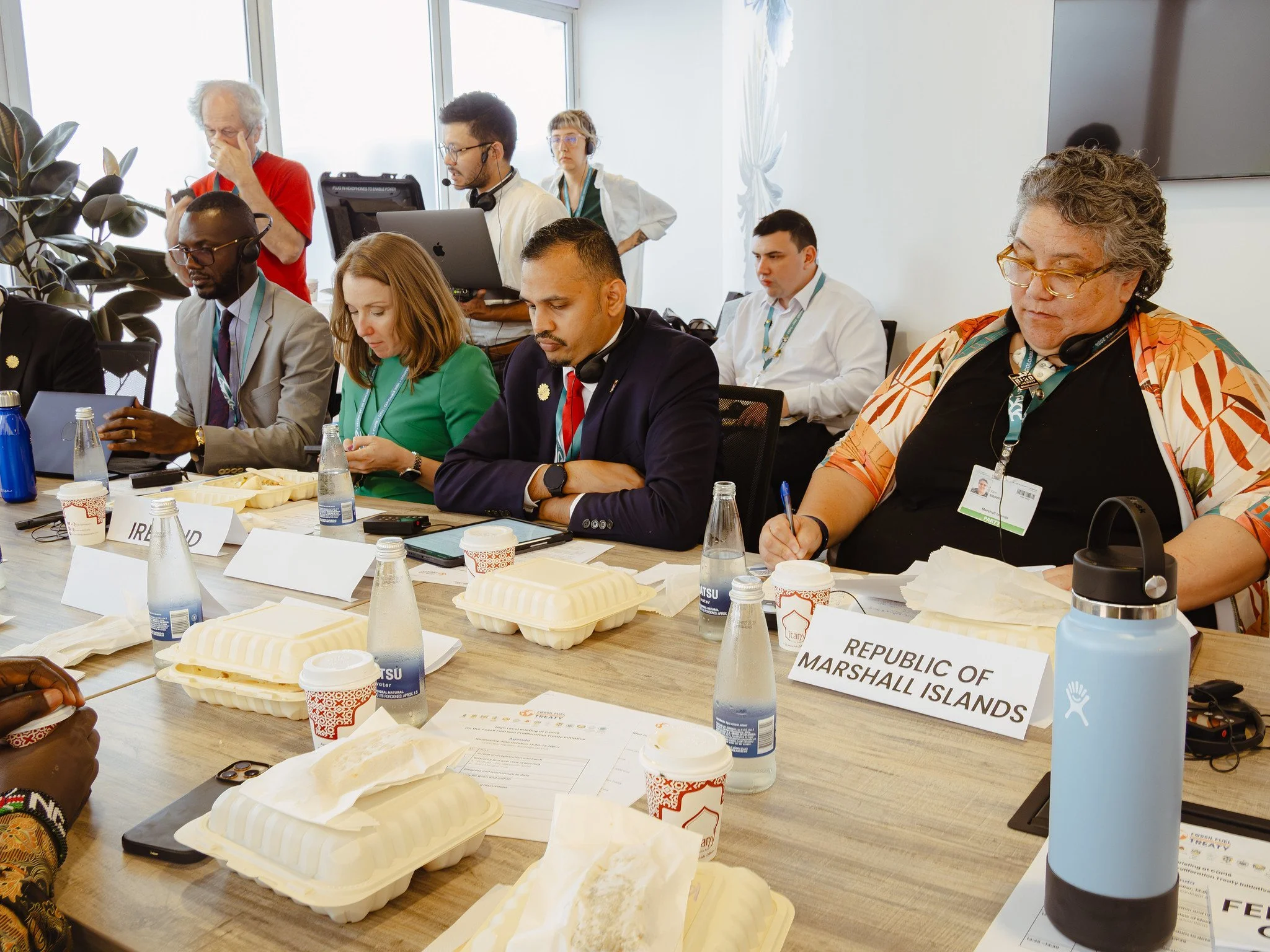
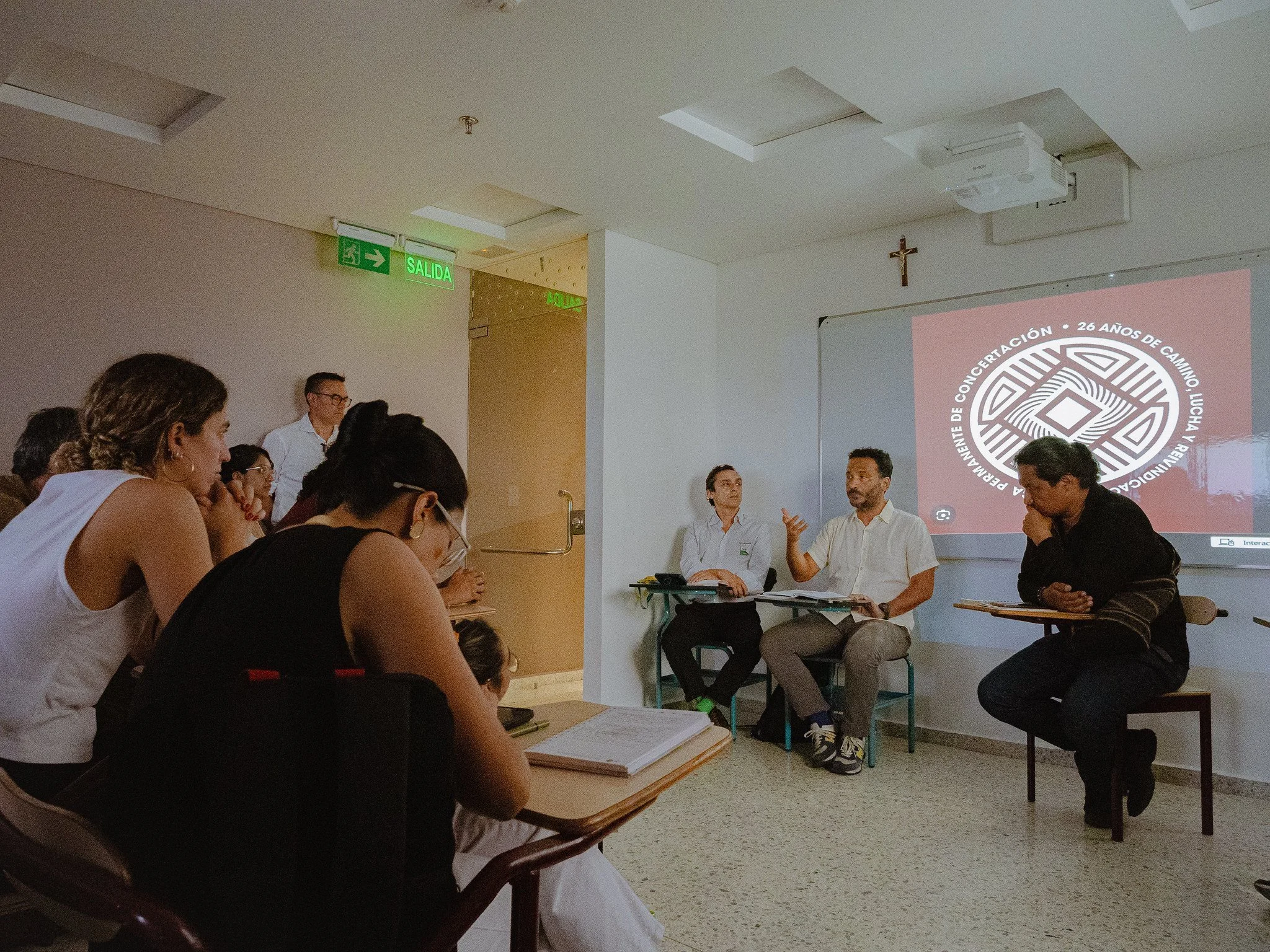
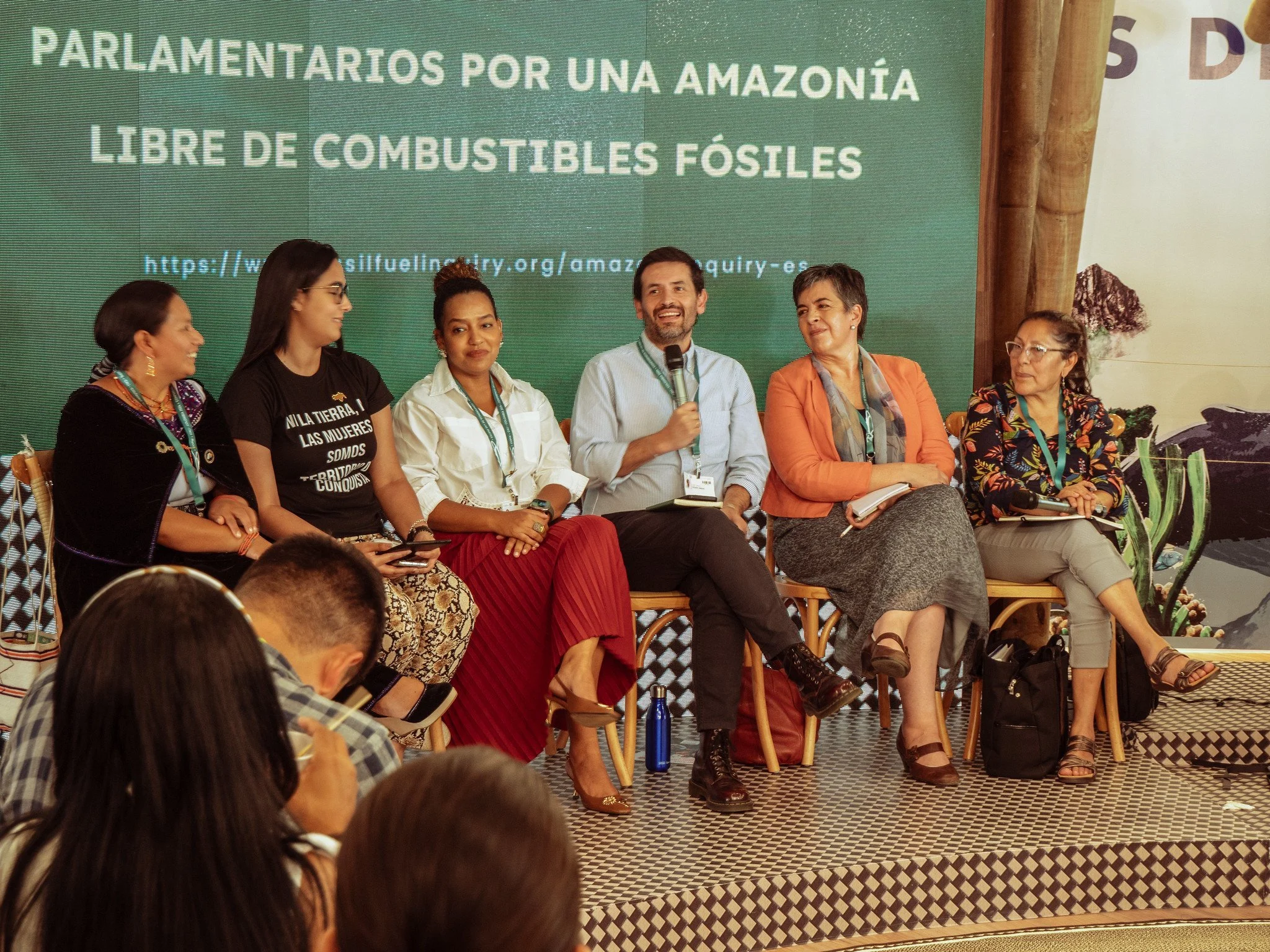
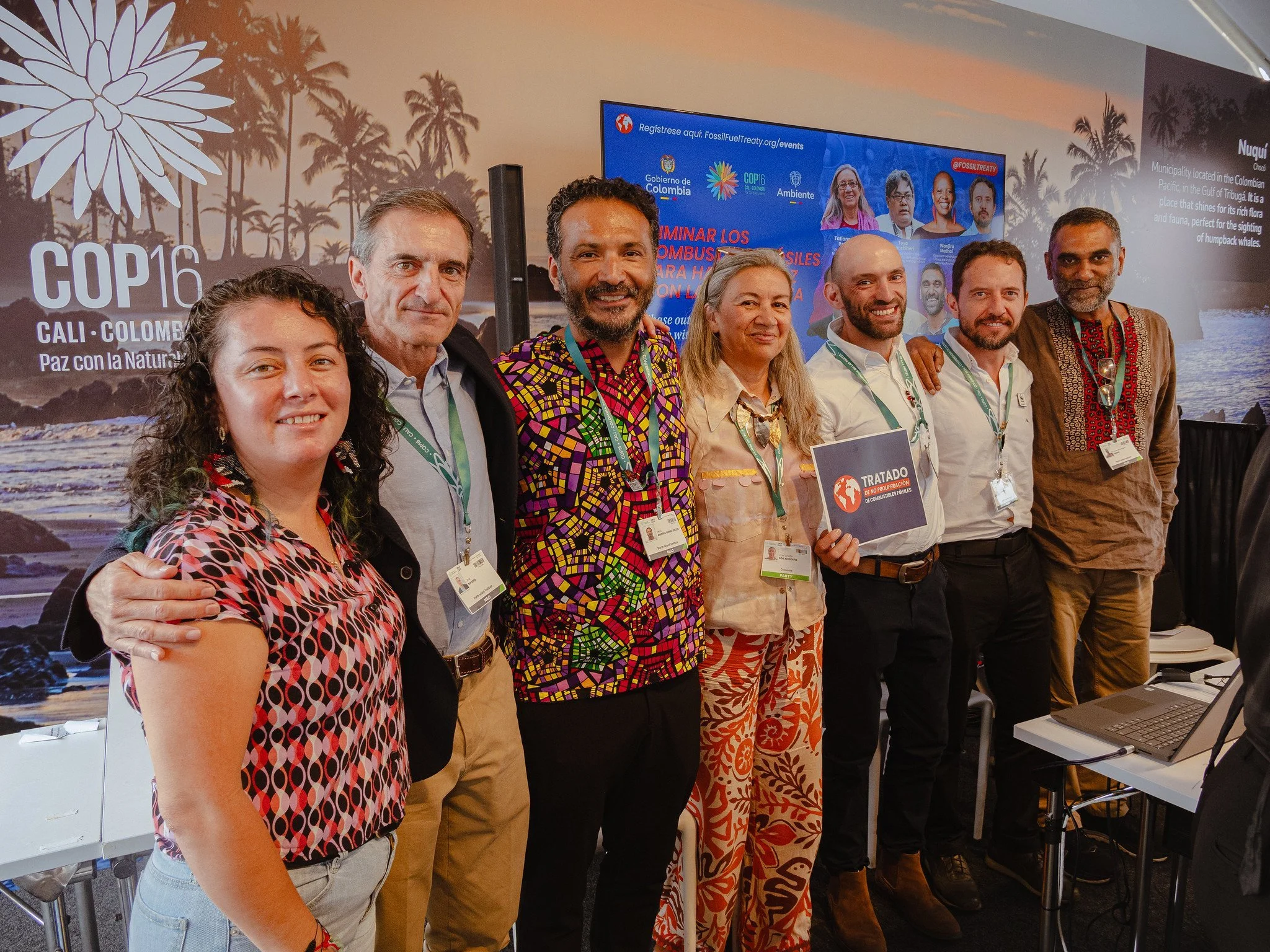
MOCCIC briefing on Amazon free of fossil fuelsThe Fossil Fuel Treaty at CBD COP16The biodiversity and climate crises are deeply intertwined, one powering the other, and both are driven by a common cause: the fossil fuel industry. Oil, gas and coal extraction threaten our ecosystems, our climate, our cultures and our economies. In the biodiversity-rich regions of the global south, the survival of indigenous communities, age-old protectors of nature, is severely threatened, endangering both their existence and that of all generations, present and future. Despite the obvious links between coal, oil and gas extraction, biodiversity loss and the violation of indigenous peoples' rights, fossil fuels have not been a central issue in the CBD negotiations. However, Colombia, the host country of this COP16 and a strong supporter of the Fossil Fuel Non-Proliferation Treaty, has explicitly connected the climate change and biodiversity agendas, opening up new opportunities to end the ‘confrontation between fossil capital and human life’ and transform our relationship with nature towards one of repair, peace and regeneration, the only possible way to address the polycrisis.
-
Both crises are deeply connected as a result of the fossil economic model. Biodiversity loss and climate change are pushing life beyond its limits. Overcoming these tipping points threatens to destroy vital Earth systems, which in turn irreparably destabilises human societies:
The exploitation of coal, oil and gas severely affects ecosystems and entire communities as it generates 86% of carbon emissions over the last decade, the main cause of climate change.
Over the last 50 years (1970-2020), the average size of the wildlife populations analysed has declined by 73%, according to WWF's Living Planet report. The fastest declines have been observed in the global south: Latin America and the Caribbean (95% decline), followed by Africa (76%) and Asia and the Pacific (60%).
Climate change is one of the main drivers of biodiversity loss, which in turn exacerbates the climate crisis. Our most powerful natural defence against climate deregulation is strong ecosystems and high biodiversity, conditions that the fossil industry is destroying.
Furthermore, fossil fuels directly threaten SDG 14 on Underwater Life and SDG 15 on Terrestrial Ecosystem Life, which represent a clear commitment to the protection of nature, as well as the 17 UN Sustainable Development Goals (SDGs) as they are impossible to achieve without protecting biodiversity.
According to Global Witness, oil, gas, mining and agribusiness are the main drivers of attacks on land and nature defenders, the historic protectors of the world's biodiversity.
-
Despite the clear links between fossil fuel extraction, biodiversity loss and the violation of indigenous rights, both the CBD and the UNFCCC have avoided addressing the need for concrete solutions that directly confront the main destructive force behind both crises: the fossil fuel industry.
However, Colombia, as host of COP16 and defender of the Fossil Fuel Non-Proliferation Treaty, has linked the climate change and biodiversity agendas, making this COP a key moment to open a new front in the elimination of fossil fuels, the change of socio-economic paradigm and reconciliation with nature.
Therefore, more than ever, COP16 offers an opportunity to make a coherent and effective impact within the multilateral system, transforming norms, narratives and laws at national and international levels to end the root cause of the climate crisis and biodiversity loss.
-
The Fossil Fuel Non-Proliferation Treaty is crucial to break out of the vicious circle of these two crises. It would offer a way to stop the proliferation of extractivisms based on:
Repairing the territories damaged by decades of exploitation.
Respecting the rights of indigenous communities and protecting their territories from further destruction.
Prioritising the protection of highly biodiverse areas, and therefore the most vulnerable, such as coastal-marine ecosystems, or tropical forests, under increasing extractive threats.
Improve equitable international cooperation to ensure that countries with the greatest historical responsibility for biodiversity loss and fossil fuel extraction and use act first and fastest to halt the expansion of the industry.
Provide the necessary financing, technology transfer and broader systemic support to ensure that all countries can meet these commitments.
Encourage mechanisms for economic diversification that are not synonymous with the depredation of nature.
-
The Amazon is one of the most biodiverse areas in the world, fundamental for life on Earth, and it is at risk of disappearing:
The climate crisis brought about by fossil capitalism, is causing a reduction in rainfall, and a tipping point could be reached where environmental conditions become unsuitable for the rainforest. A tipping point could be on the horizon if 20-25% of its rainforest is destroyed, and an estimated 14-17% has already been deforested.
Despite the severity of the crisis, governments continue to increase pressure on the forest. A large percentage overlaps with oil blocks on offer, and Ecuador is the country with the most area at risk.
Frontline Amazonian communities have been demanding the liberation and protection of their territories from extractivism for decades, and have clearly reinforced this in recent calls:
The recent ‘Yes to Yasuní ’ reinforces the need to make the Amazon the first Fossil Fuels Non-Proliferation Zone, as the initial stage of a global treaty.
The historic agreement reached at the XI FOSPA seals the commitment of indigenous leaders and civil society organisations to a Fossil Fuel Free Amazon, rejecting false ‘green’ solutions and promoting a mandate for collective action to implement public policies that protect the Amazon from extractivism.
A Fossil Fuel Free Amazon would allow:
Put an end to a set of extractive projects such as hydrocarbon projects in the region (including stopping the offer of new lots and the progressive termination of existing ones), which are promoted by states and companies, deepening a development model that has institutionalised inequalities and the dispossession of territories, bodies and cultures throughout the Amazon basin and the continent.
Generate financial mechanisms that oblige their support, and different from debt mechanisms, that can concretise economic models that put life and justice at the centre.
Strengthen policies and mechanisms to address the demands and guarantee the participation and decision-making of Indigenous Peoples and local communities, following processes of prior consultation and consent on any issue related to their territory.
A Fossil-Fuel-Free Amazon as an example for other Fossil-Free Zones:
The creation of fossil fuel free areas not only has crucial implications for the Amazon, but also for other biodiverse regions of the world such as the three major forest basins: the Amazon, Congo and Southeast Asia, as well as maritime areas and the poles.
By setting a precedent, this Amazon initiative can be a model for connecting the Global South's resistance to extractivism, demonstrating that it is possible to protect biodiversity, communities and tackle climate change through a collective and regional approach.
The momentum for a Fossil Fuel Treaty keeps growing:
The proposed Fossil Fuel Non-Proliferation Treaty is supported by a bloc of 14 Pacific, Caribbean and Southeast Asian countries, including 2 producer countries, 10 Amazonian indigenous nations, over 120 cities and sub-national governments, over 850 parliamentarians from 95 countries and the European Parliament, the World Health Organisation and hundreds of health professionals, 101 Nobel laureates, as well as 3,000 scientists and academics, the Vatican's Cardinal Michael Czerny, Dr. Rowe Williams, 104th Archbishop of Canterbury, and thousands of religious institutions, over 3,000 civil society organisations, the World Health Organisation and hundreds of health professionals. 000 scientists and academics, Cardinal Michael Czerny of the Vatican, Dr Rowan Williams, 104th Archbishop of Canterbury, and thousands of religious institutions, more than 3000 civil society organisations, and nearly 1 million individuals.
Connect with us for live updates