A CALL FROM THE ECUMENICAL, INTERFAITH AND
ECO-SPIRITUAL COALITION OF THE GLOBAL SOUTH
Ahead of the First Conference on Transitioning Away from Fossil Fuels in Santa Marta, Colombia, 24–29 April 2026, our broad coalition of Christian, ecumenical, interfaith and spiritual networks and organizations, particularly from the Global South, joins with firm resolve and prophetic intent in the call for a Fossil Fuels Treaty. We call on all people of faith, spiritual seekers and people of good will, as well as faith communities, to support this call with their signature and to join the work to make it a reality in their respective countries.
We have stated our position on the Conference in Santa Marta in various documents, united in the spirit of seeking the common good. The Manifesto of the Churches of the Global South affirms that scientific data shows the planet is approaching critical limits which threaten the stability of ecosystems, economies and systems of governance. This will have the greatest impact on the most vulnerable. The Churches of Africa, Latin America, the Caribbean and Asia declare that climate change is also caused by unsustainable models of production and consumption. We face an economic system that exacerbates the damage. The main cause of the climate crisis is the massive burning of coal, oil and gas, which accounted for 86% of CO₂ emissions between 2010 and 2019.
The Laudato Si’ Movement, in its document “A Catholic Theological Reflection on the Proposal for a Fossil Fuel Treaty Initiative”, states “Pope Francis teaches in Laudato Si’ and Laudate Deum, climate change, poverty and injustice are deeply interconnected. The continued expansion of coal, oil and gas threatens human dignity, world peace and the future of our common home”.
Our sector’s Convergence Statement ahead of the Conference, declares “the climate crisis facing the planet is not merely an environmental problem, but also a profound spiritual, ethical and existential crisis, which demands not only economic restructuring but also cultural transformation. (...) Based on this conviction, we affirm that, in addition to technical adjustments and agreements between governments, a Just Transition seeks to transform the way we relate to the Earth and to one another. The Earth is a sacred gift to be cared for responsibly, with love for all creatures and a commitment to future generations of all the peoples of the world. In this way, the promotion and maintenance of peace is non-negotiable and urgent.”
The Faith Network for Climate Justice states: “beyond the focus on ‘what and how’, it is necessary to ask ‘for and with whom’ the just transition is being made. The voices of the communities affected by the extractivist model −indigenous peoples, peasants and people of African descent− must be incorporated. A just transition places the victims and survivors of the dominant system at its center, those who have seen their territories stripped bare; rivers, mountains and ecosystems robbed of their vitality. There is no climate justice without social justice.” For this, they advocate for a just, solidarity-based and comprehensive transition.
CIDSE and more than 30 Catholic organizations and religious leaders have issued a moral appeal to redirect global finance away from fossil fuels and towards renewable energy, climate-resilient infrastructure and low-carbon sustainable development, without increasing the debt burden on developing countries. In their statement, they note that the governments of the Global North, which bear historical responsibility, must substantially increase public funding. They assert that this support must not increase debt, but rather enable a fairer global financial architecture. They demand a just fiscal space through the cancellation of unsustainable debts and the implementation of tax reforms that put an end to tax evasion.
The position paper of Indigenous Peoples ahead of the Santa Marta conference states: “We Indigenous Peoples are rights holders, self-governing bodies and guardians of our territories. Without self-determination; free, prior and informed consent; and the protection and legal security of our territories, there can be no climate and environmental justice. The Just Transition must be built with us, or it will not be just.”
In its Multifaith Appeal, the Faiths for a Fossil Free Future Alliance emphasizes the urgency of action: “As governments gather in Santa Marta, this conference must not become yet another forum for delay or diluted ambition. Countless people of faith and religious leaders are prepared to support those ready to move forward with decisive implementation. The scientific and moral imperatives have long been clear. We do not need further diagnosis. We need action.”
Consequently, we call for the Fossil Fuel Treaty to seek the phasing out of fossil fuels through a commitment to:
a cultural and spiritual shift that recognizes the planet’s limits and seeks a simple yet dignified life for all
an immediate end to the development of new coal, oil and gas projects
the rapid and equitable phase-out of current fossil fuel production, ensuring that affected workers and communities receive decent support
a just transition on a global scale, ensuring universal access to clean, safe, reliable and affordable renewable energy for all people
the phasing out of fossil fuel subsidies
a transformation of the financial system, including the cancellation and reinvestment of the Global South’s debts into the transition
absolute respect for the sovereignty of peoples, vigorously rejecting the arms race and the use of force to secure energy sources
the rejection of neo-extractivism and ‘false solutions’, through a system of traceability and accountability for fossil fuels and critical minerals
a system of full democracy with epistemological parity for the wisdom of Indigenous peoples, people of African descent, peasants, women and children – those who live in the affected territories and who will lead us to solutions beyond those offered by the dominant paradigm
Self-determination; free, prior and informed consent; and legal protection and security for the territories of indigenous peoples.
the pursuit of a care economy, a reconnection with the earth, and the practice of active compassion, collective responsibility and wisdom.
During what the World Council of Churches has called the “Ecumenical Decade of Action for Climate Justice (2025–2035)”, we commit ourselves with active hope to redouble our efforts to educate our communities and lobby our leaders for the implementation of this Treaty. It will be a fundamental step in the shift in consciousness we need, so that our territories may have life in all its fullness.
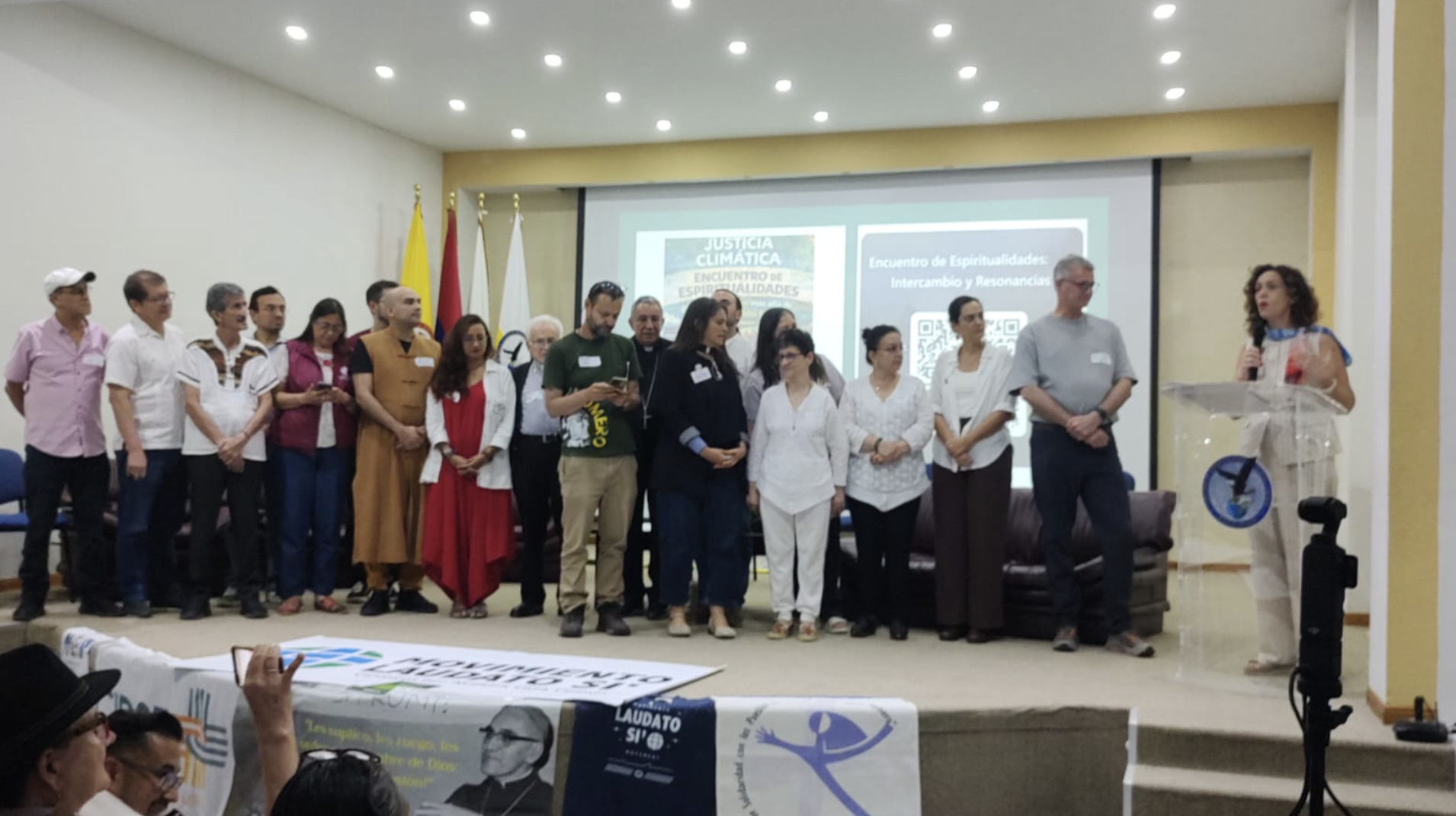
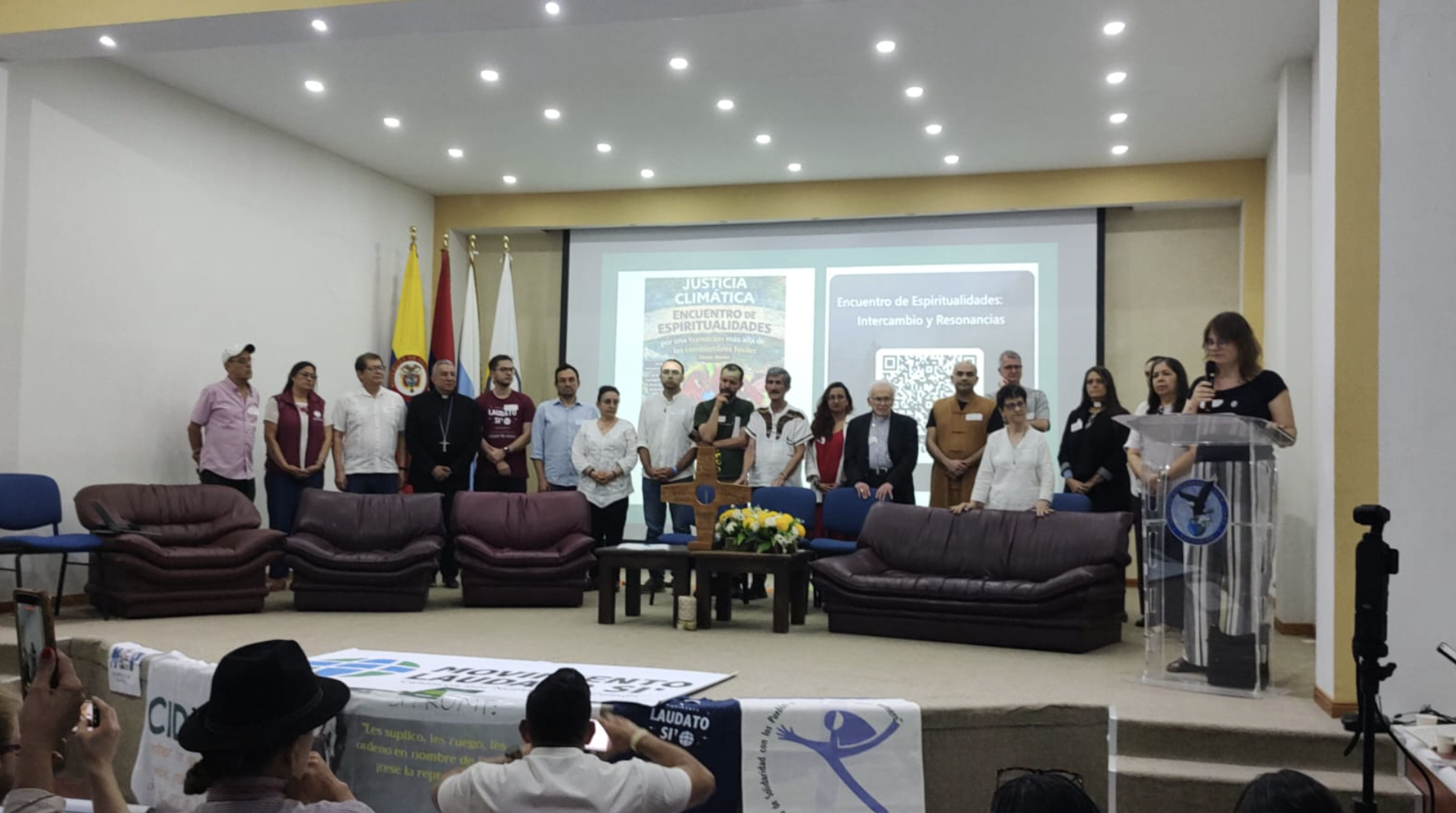
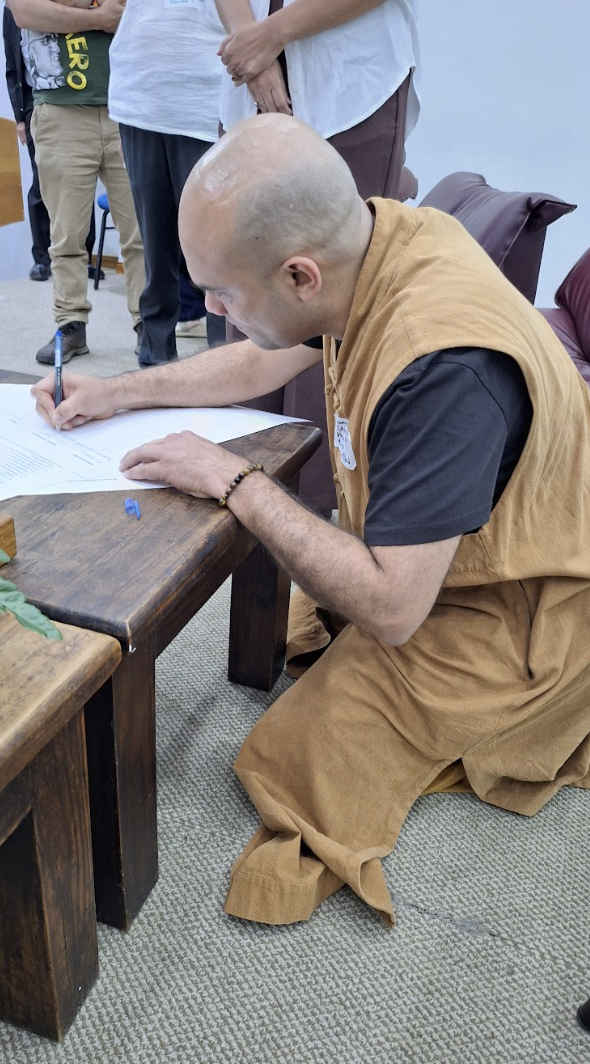
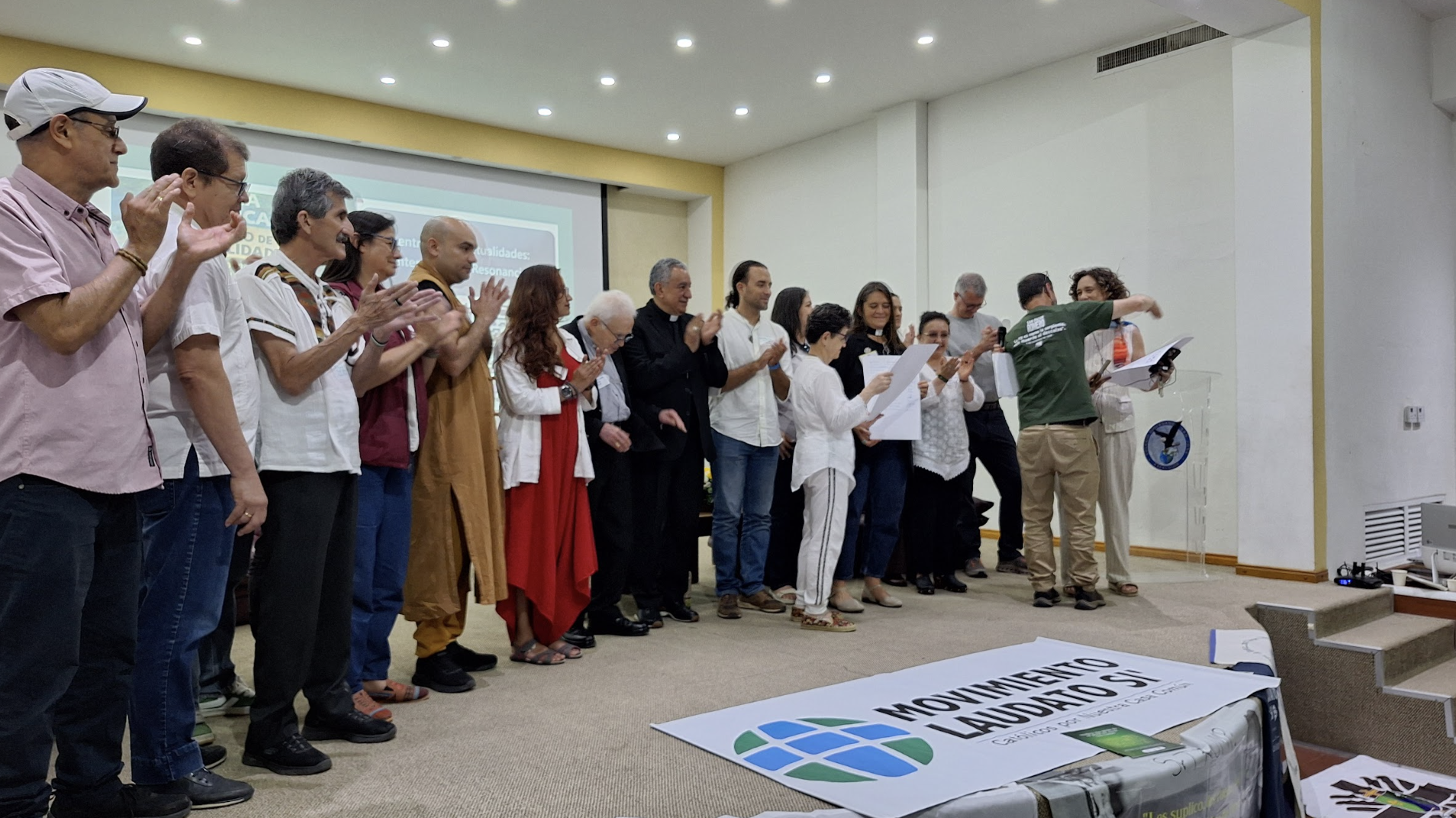
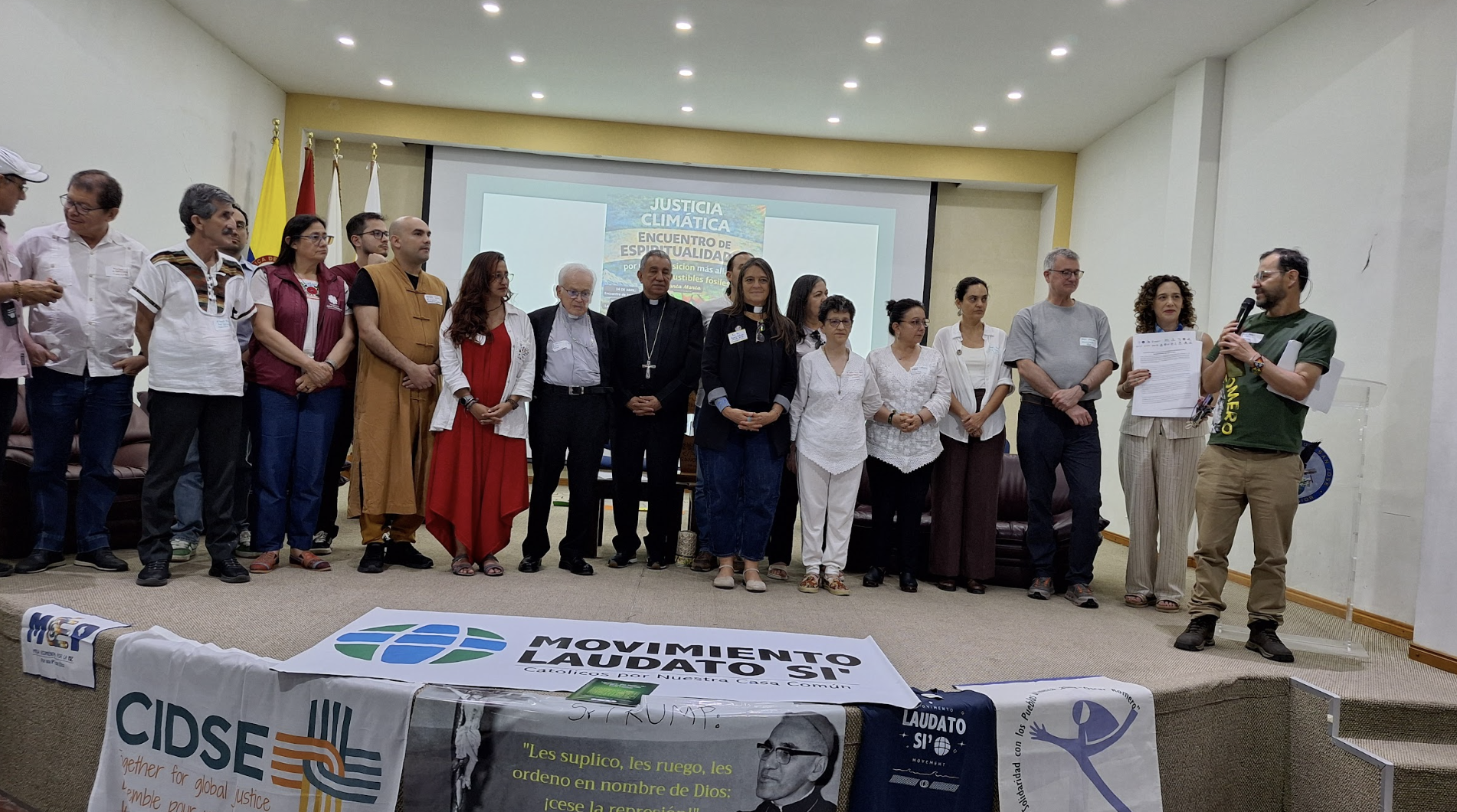
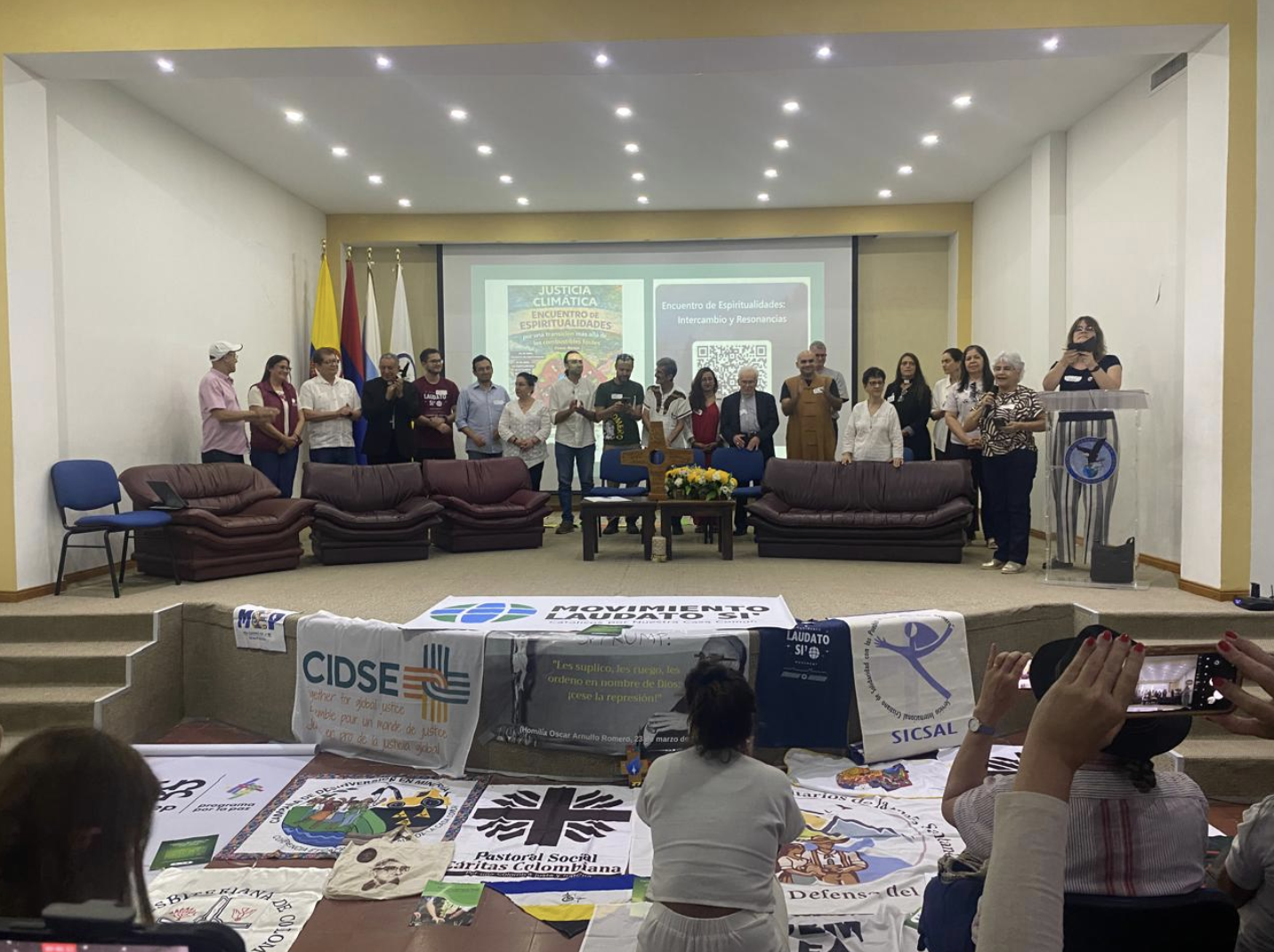
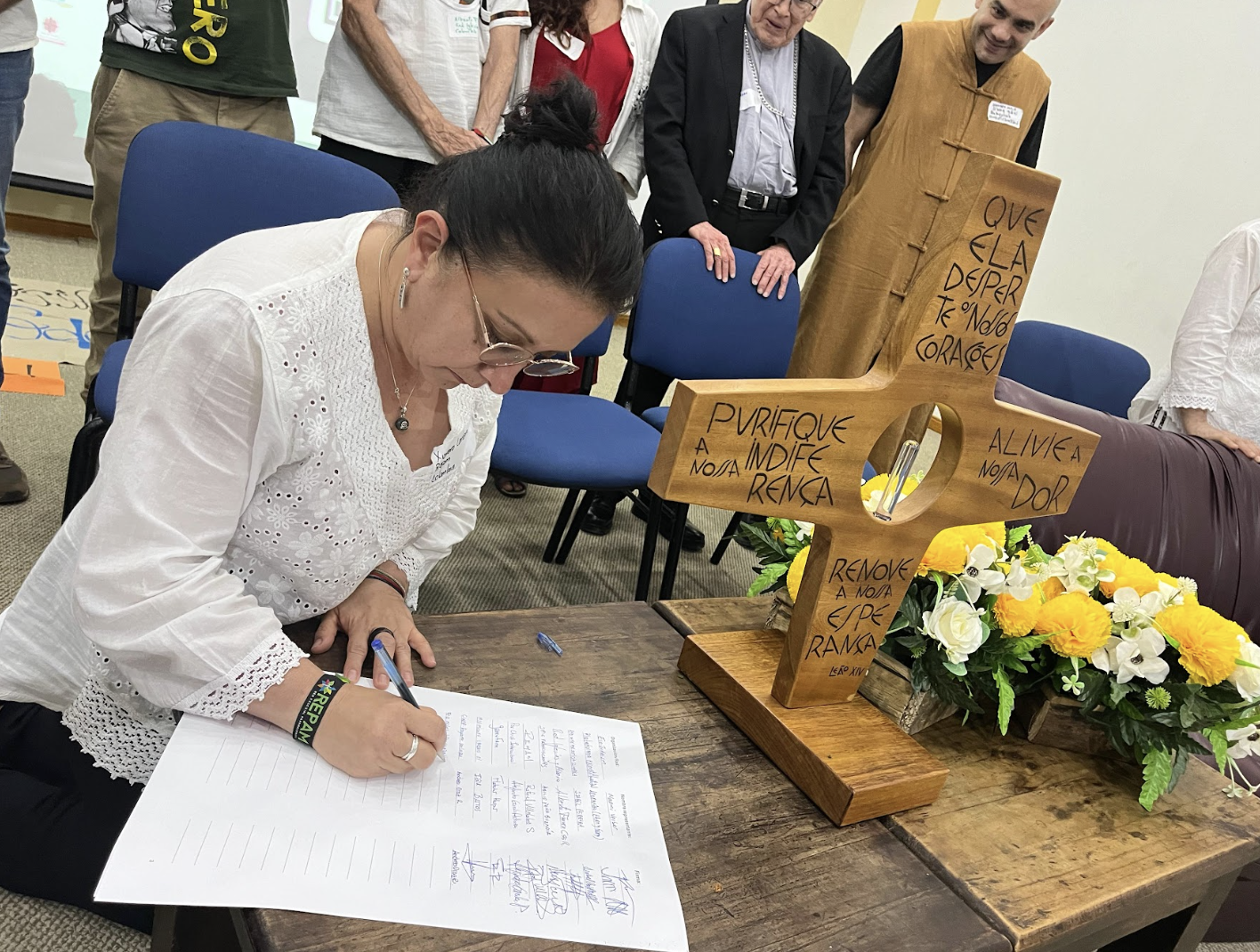
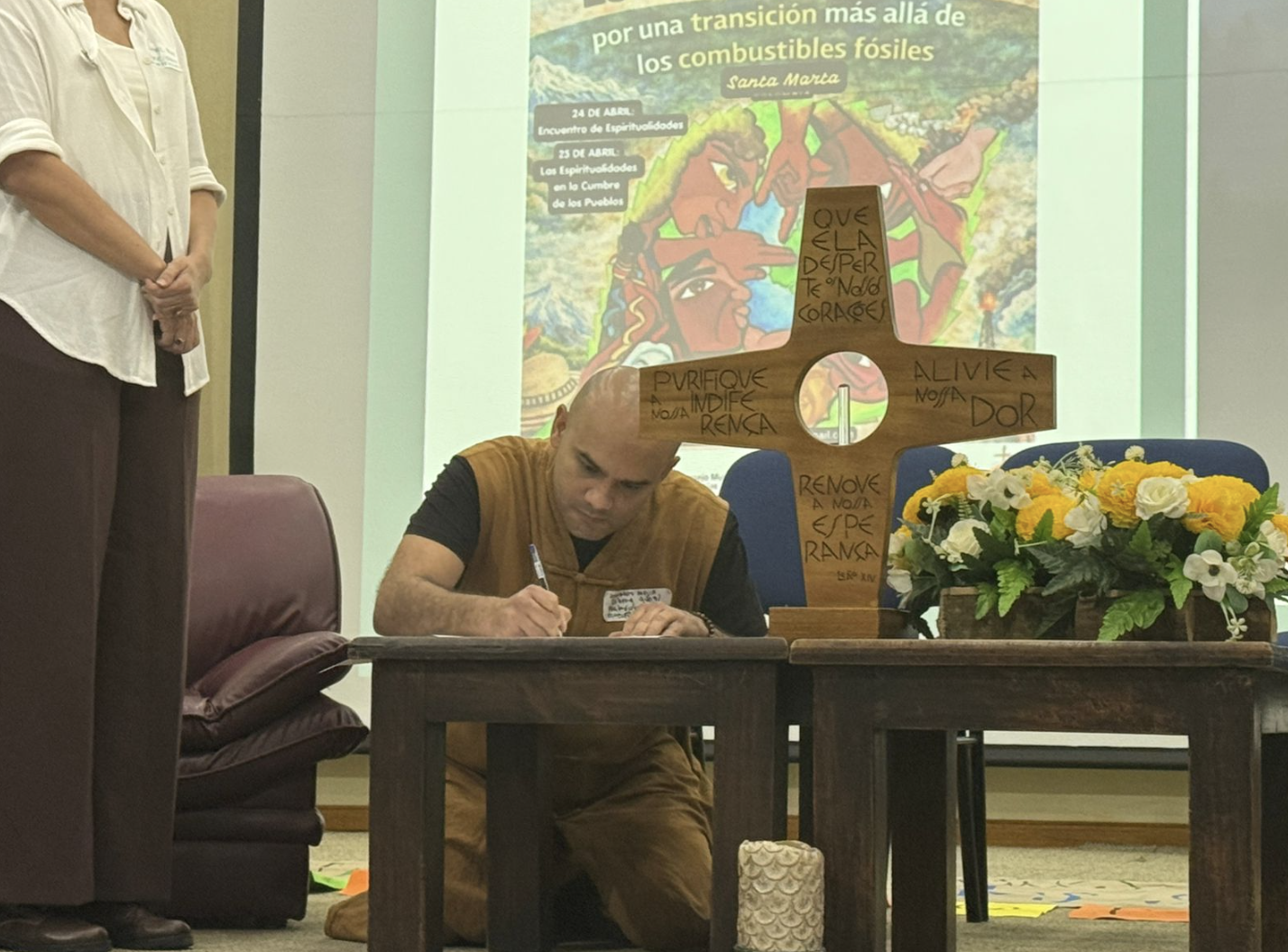
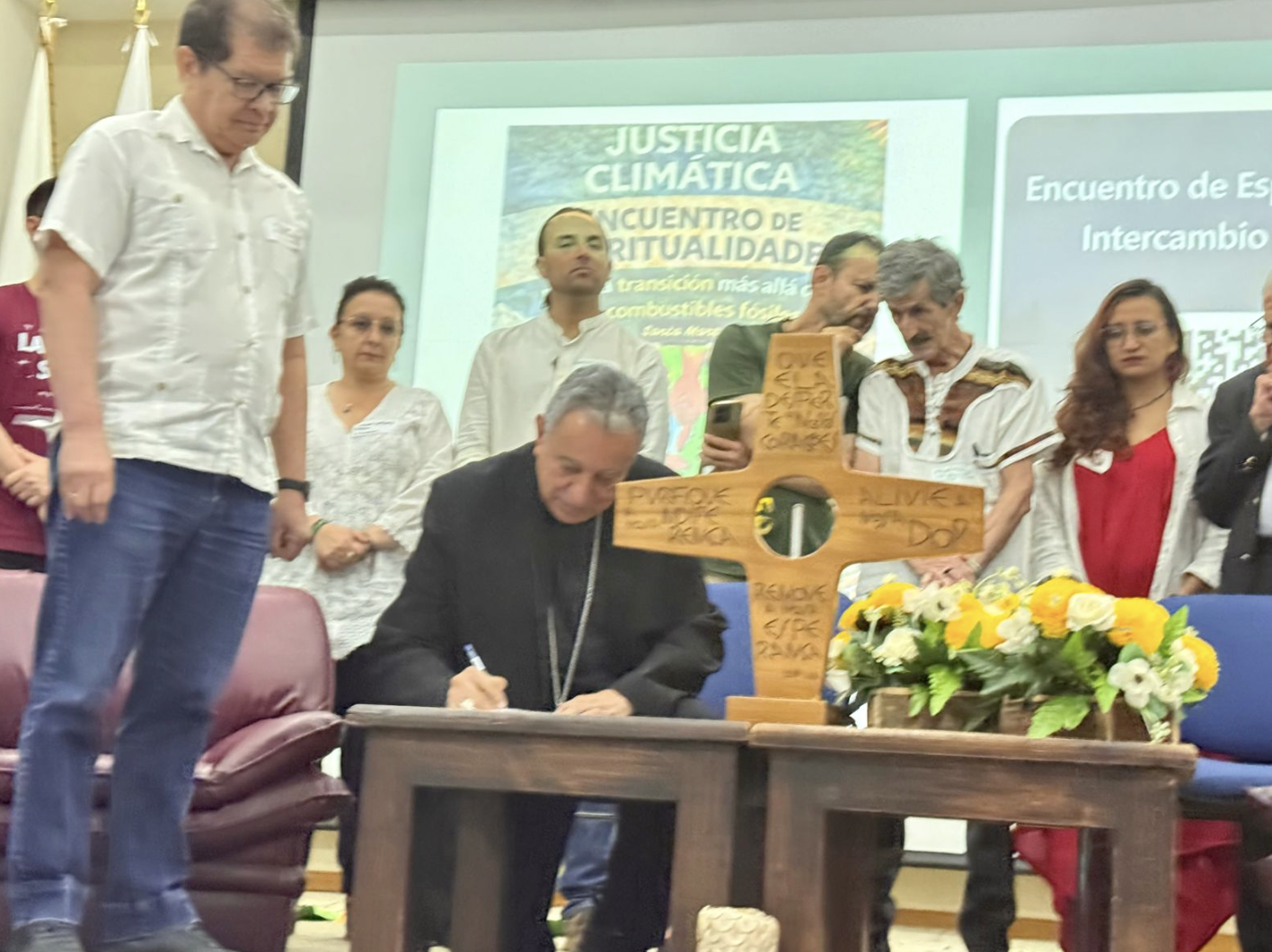
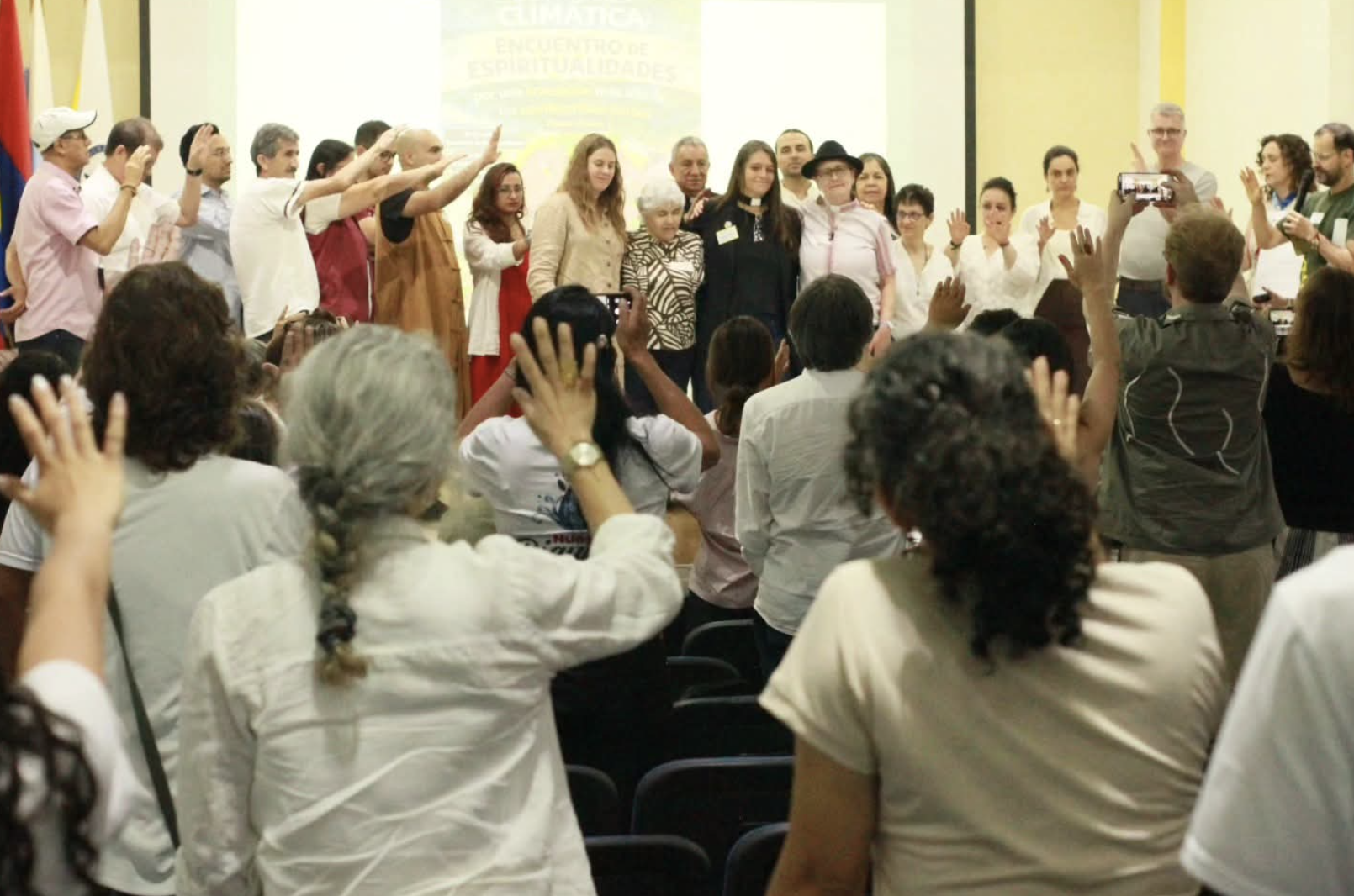
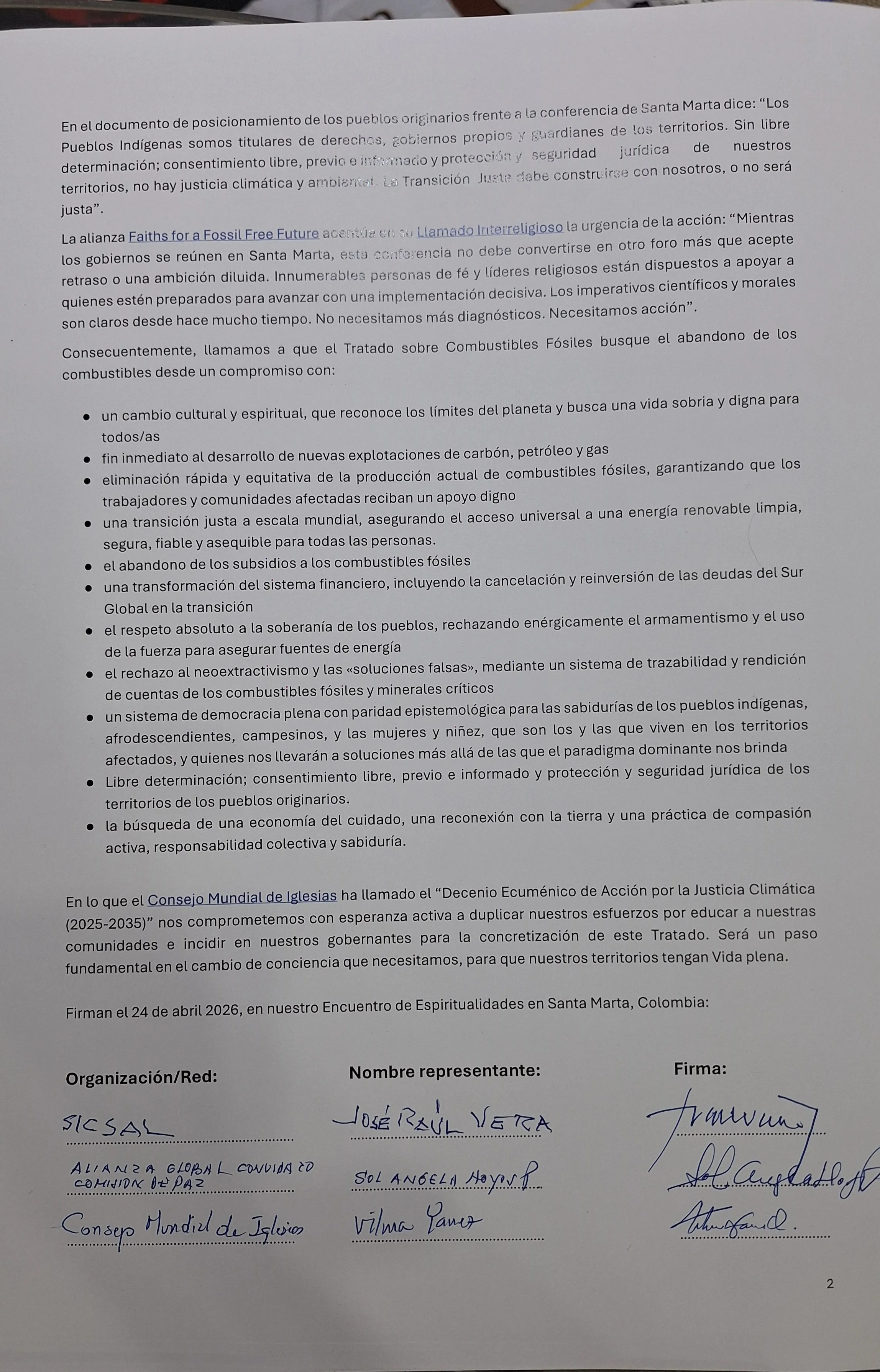
Signed on 24 April 2026, at our Spiritualities Gathering in Santa Marta, Colombia:Servicio Internacional Cristiano de Solidaridad con los Pueblos de América Latina “Oscar Arnulfo Romero”-
SICSAL
Alianza Global CONVIDA20
Consejo Mundial de Iglesias
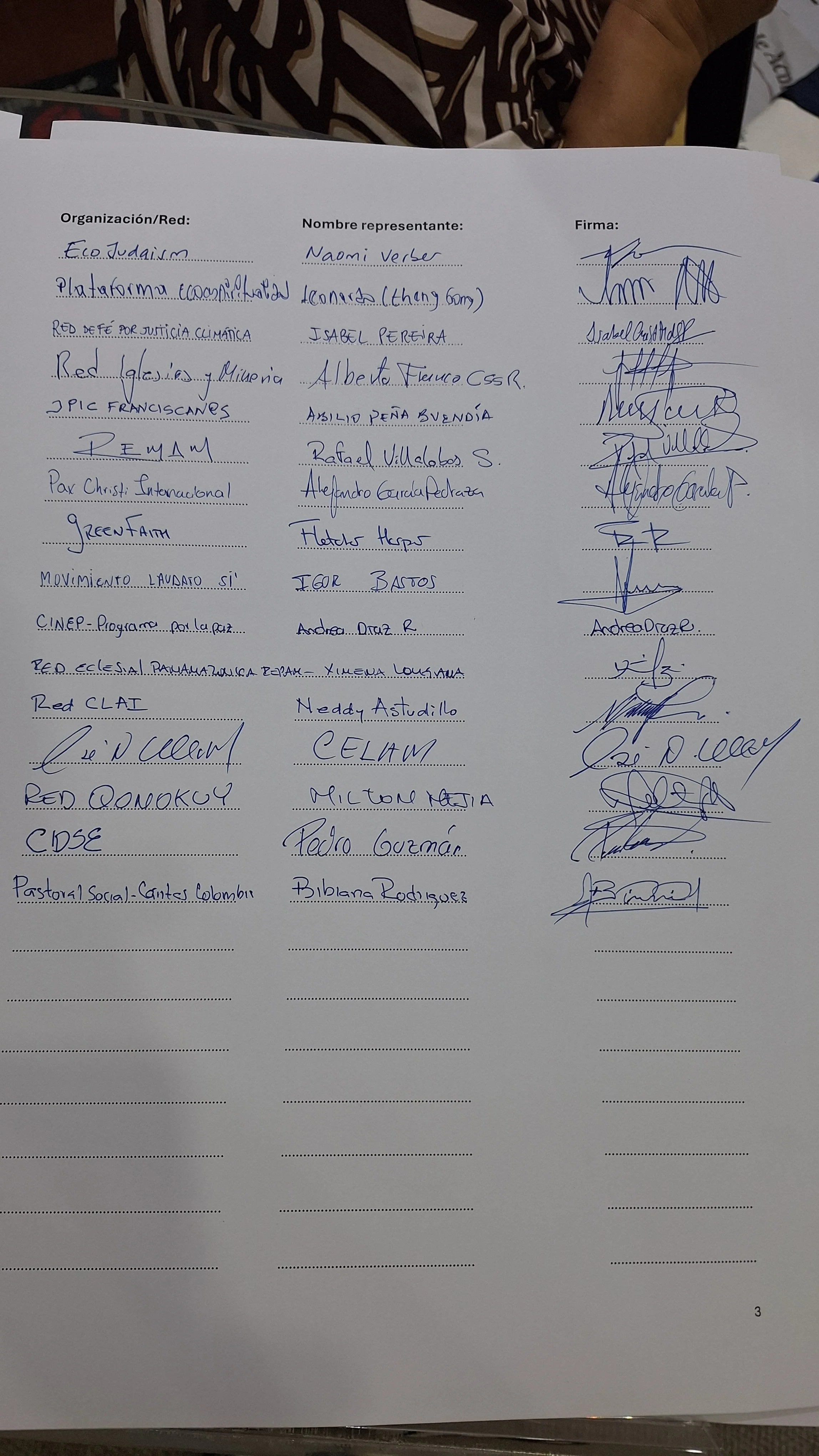
EcoJudaism
Plataforma Ecoespiritualidad
Red de Fe por la Justicia Climática; Abya Yala, América Latina y el Caribe.
Red Iglesias y Minería
JPIC Franciscanas de NSL
Red Eclesial Ecológica Mesoamericana REMAM
Pax Christi Internacional
GreenFaith
Movimiento Laudato Si’
CINEP – Programa por la Paz
Red Eclesial Panamazónica REPAM
5
Red Consejo Latinoamericano de Iglesia CLAI
Consejo Episcopal Latinoamericano y Caribeño CELAM
Red Qonokuy
CIDSE – una Familia Internacional de Organizaciones Católicas a Favor de la Justicia Social
Pastoral Social- Caritas Colombia
Federación Luterana Mundial
Photos